May 8, 2022 | #reviews
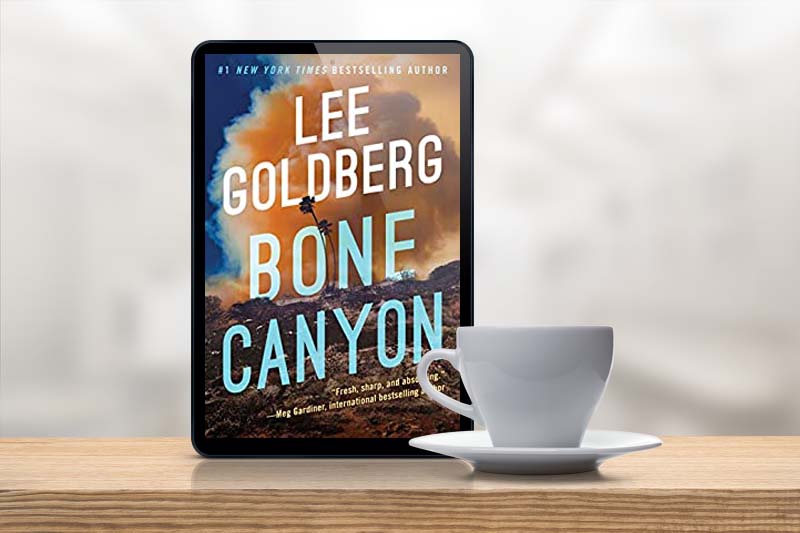
I love Goldberg’s Ian Ludlow series, starting with the ridiculously wonderful KILLER THRILLER, in which a nerdy writer repeatedly saves the world, but I was willing to go along for a more serious ride in BONE CANYON. A traditional police procedural, BONE CANYON delivers the same high speed action, unfussy writing style, and excellent plot development.
Related: Book Review: KIller Thriller
Eve Ronin is a detective for the Los Angeles County Sheriff’s Department, assigned to the Lost hills station near Calabasas, California. She used some inadvertent notoriety to climb the career ladder to her current assignment, a detail which has not endeared her to many colleagues. Meanwhile, her partner is counting down the days until he can retire and Eve is more or less estranged from her has-been showbiz parents.
Her life isn’t perfect, but Eve is making it work. She’s stubborn, athletic, committed to the job. I think she sounds a lot like Detective Emilia Cruz, albeit with a racing bicycle instead of a white Suburban.
The latest wildfires have cleared the hillsides, revealing the bones of a long-dead woman. Eve is able to make a positive identification and discovers that the dead woman was raped shortly before she disappeared.
Eve investigates the rape, assuming a connection to the woman’s death, when a second body is found. As the investigation continues, Eve’s chief suspect becomes another member of the Sheriff’s Department. With her notoriety now a liability, Eve faces danger herself.
Goldberg fans will love the reference to Hollywood and the Vine, the cheesy cop show Ian Ludlow ostensibly wrote. It’s a moment of fun that lightens a seriously good whodunit. All the threads wrap at the end, along with a teaser that primes us for the next Eve Ronin tale.
BONE CANYON is the second book in the Eve Ronin series, following LOST HILLS, but stands alone quite well.
Highly recommended.


Apr 20, 2022 | #reviews
I’ve been roaming Amazon, looking for historical fiction set in the blue collar world of the 1920’s and 30’s and won the prize when I discovered BACK SIDE OF A BLUE MOON, the first book in Caleb Pirtle’s Boomtown Saga trilogy. Part Music Man, part Grapes of Wrath, beautiful, haunting prose paints a tale you can see as well as if it was on the big screen.
And what a story it is!
The Depression and drought have combined to kill Ashland, Texas. The town on the banks of the Sabine River in east Texas is worn out and no one is as worn out as Eudora Durant. Once the town beauty, she’s now married to an abusive husband and stuck on a farm that can no longer sustain them. Her neighbors are selling off and leaving, their lives destroyed.
One night Eudora’s husband goes too far and she defends herself with the shotgun. When he isn’t seen around for some time, the sheriff starts asking questions, as do the townspeople. Eudora claims he took off but suspicion grows.
Good riddance to bad rubbish, as the saying goes. But where is his body? Without it, the sheriff can’t arrest Eudora, no matter what the gossips say.
Meanwhile, Doc Bannister comes to town, one step ahead of the law. He’s Hugh Jackman in the Music Man but instead of promising a boy’s band complete with uniforms and instruments, he’s going to use a homemade “doodlebug” machine to find oil and make Ashland richer than King Midas.
Doc is one of the best-written characters I’ve come across in quite some time. In his white suit and straw hat, he’s a breath of fresh air blowing life back into Ashland. He’s a rogue, yet a hard worker. Slippery yet drawn to the concept of stability. He knows just how to convince and manipulate while appearing honest and sincere.
In short order, he convinces everyone to part with their last two nickels to invest in his oil syndicate. Doc starts drilling on Eudora’s land, claiming to “smell” the oil below the surface, as the sheriff prowls around.
The suspense is multi-faceted. Is Doc a con artist or does he really know what he’s doing? Did Eudora really kill her husband? Will she be charged? What is going to happen to everyone who invested?
Perfectly true to time and place, the book veers more toward literary fiction than traditional mystery but it was too good to keep to myself!
It’s only available in Kindle format on AMAZON.
Highly recommended.
Mar 15, 2022 | #GallianoClub, #newsroom
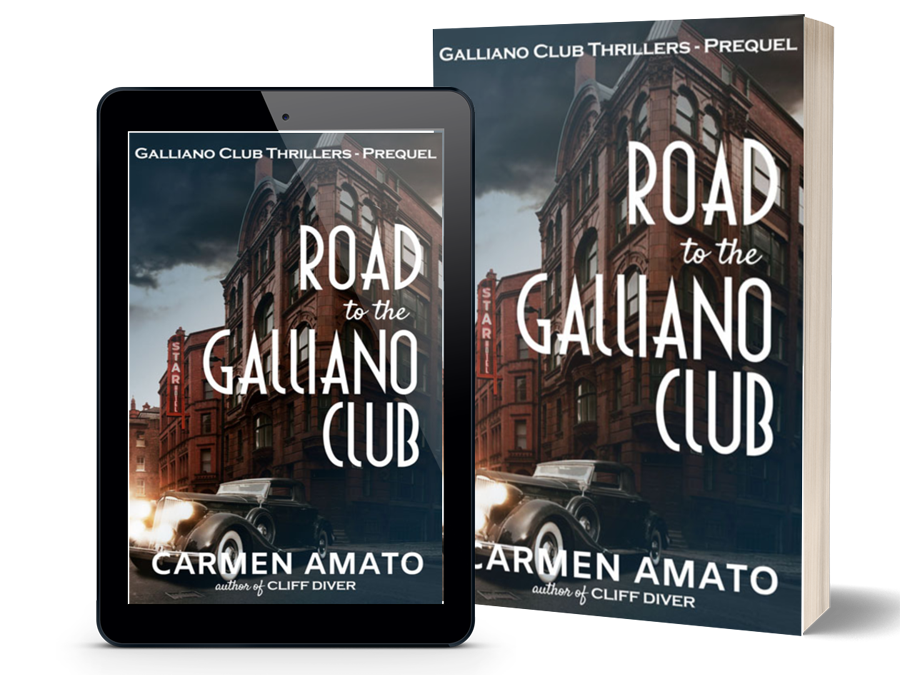
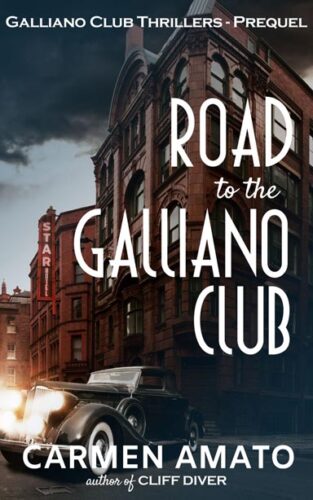
ROAD TO THE GALLIANO CLUB, prequel to the Galliano Club historical thriller series, is available now in Kindle and paperback formats.
The Galliano Club historical thriller series has been in the works for over a year, with excerpts doled out in the Mystery Ahead newsletter every other Sunday, so it’s a fantastic feeling to finally share Book 1 with readers! The setting is Lido, New York, a small city in upstate New York, but before the three main characters arrive there, hard luck forces each to strike out on their own.
All journeys end at the Galliano Club, of course, where trouble has just begun.
Meet the main characters
RUTH CROSS: After escaping a dead-end Pennsylvania coal mining town, Ruth fulfills her dreams of dancing on Broadway, but is tripped up by a ruined reputation and prison time. Opening a dancing school above the Galliano Club is key to reinventing her life, but can the club be the sanctuary she needs?
LUCA LOMBARDO: From a bitter upbringing in Italy to the heartbreaking death of his wife and child in a New York City tenement, Luca loses everything he’s ever cared about. The Galliano Club is the one exception. It’s the home he never had. Nothing and no one is going to take it away.
BENNY ROTOLO: A member of Chicago’s violent North Side gang, Benny learns how to succeed in the crime business until the day he’s chased out of town by Al Capone. Determined to build his own bootlegging empire, he wants to seize the Galliano Club and turn it into the finest speakeasy north of Manhattan.
The Galliano Club

The Galliano Club anchors the growing Italian immigrant community in Lido, New York. After long days building America’s skyscrapers, ships, and electrical grid, thirsty mill workers head to the club to play cards, argue over the news, and drink the beer hidden in the cellar. It’s a comfortable place where no one is ready for the coming storm of murder, blackmail, and revenge.
This sketch of the building is a composite of buildings in the historically Italian section of my hometown of Rome, New York. Several bear the name of the owner/builder just below the roofline. V. Spinelli is Vito Spinelli, the owner of the Galliano Club series. He parks his Packard in the alley behind the building.
Vito’s taste for illegal whiskey, to help drown his grief at the loss of his son in World War I, means that all the work falls to Luca.
The door on the right is the club entrance. The door on the left opens directly to stairs leading up. Ruth’s apartment, as well as her school of dance, are on the second floor.
The architecture, similar to the layout of many duplex buildings in upstate New York, plays a role in how a deadly crime plays out in Book 2, MURDER AT THE GALLIANO CLUB.
Research
America’s growing pains during the early 20th century provide a vibrant backdrop for the series. New immigrants file through Ellis Island as George M. Cohan lights up Broadway, Sacco and Vanzetti go on trial, women swoon over Rudolph Valentino’s The Sheik, Chicago gangsters shoot to kill, skyscrapers sprout from cement and sweat, and the first flight over the North Pole is celebrated around the world.
Researching the Galliano series was hugely satisfying. For example, I learned that there’s only 2 degrees of separation between me and Buster Keaton. His two sons were both in the OSS during World War II and I was in the CIA, the successor to the OSS.
There’s a personal connection to legendary Broadway performer, writer, and producer George M. Cohan, too. I was in the musical George M! about Cohan’s life and still know all the words to Give My Regards to Broadway, so of course his shows launch dancer Ruth Cross on the ROAD TO THE GALLIANO CLUB.
Also I saw Donny Osmond in the revival of Cohan classic Little Johnny Jones but we’ll save that for a rainy day.
Get your copy of ROAD TO THE GALLIANO CLUB today!


Feb 15, 2022 | #reviews
I was already a fan of this author duo’s espionage thrillers but COMMAND and CONTROL by David Bruns and J.R. Olson ratchets up the intensity to truly epic levels.
Buckle up, because this a fast-paced thrill ride through an ocean churning with conflict, tech wizardry, and global politics.
A string of unexplained attacks on US military forces have one thing in common: the latest Russian weaponry. Soon US forces are spread thin, not only in response to multiple threats, but also because of the new president’s vow to oust the illegal Maduro regime in Venezuela. As conflicts rage across the globe, a terror attack decimates the US Navy’s top brass gathered for a conference at Annapolis.
Don Reilly is head of the CIA’s Emerging Threats Group (a fictional unit) with access to the highest level of US policymakers (and enjoys a very enviable and fictional lack of bureaucratic red tape LOL).
He’s desperately trying to connect dots around the globe. Why would the Russian president, a thinly disguised Putin, want to go to war now? Why has North Korean suddenly decided to jettison its nuclear program? How was the Venezuelan military, on the brink of starvation and out of hard currency, able to procure the latest in Russian military technology? Who was behind the Annapolis terror attack?
Things aren’t adding up. Yet the world is hurtling toward war.
Besides Don, the cast of characters ranges from a shadowy operative who is enabling the transfer of Russian weaponry to global hotspots, to the Russian president who believes one of his inner circle is betraying him, to the US Navy admiral who must make life and death decisions as he sails his fleet into harm’s way near the Bering Strait.
Scenes are fraught with tension, and almost all are either turning or decision points. This is a long book, but it is all muscle, no fat.
Like Tom Clancy’s THE HUNT FOR RED OCTOBER, there is lots of military activity and technology here, but kudos to the authors for knowing that not every reader appreciates a data dump or pages of tech jargon. Instead, swift explanations enhance the action. Bruns and Olson bill themselves as the Two Navy Guys and their expertise shows. The scenes at sea are absolutely authentic.
The book puts you on the bridge of the aircraft carrier as radar tracks incoming danger. You are in the submarine as the Russian communications cable is hacked. You are in the helicopter as the missile zeroes in.
You are turning pages as fast as you can. Expect chills up your spine.
COMMAND AND CONTROL is the first book in a trilogy. The second, COUNTERSTRIKE is also available.
Highly recommended.
Get COMMAND AND CONTROL on Amazon here.
Jan 5, 2022 | #reviews
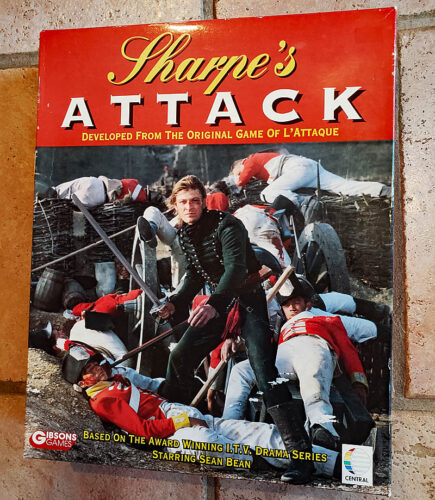
First off, let me confess that I’m such a fan of the Richard Sharpe historical thriller series that we own ALL of the Sharpe television episodes starring Sean Bean (on video) AND the Sharpe board game which is like Risk but cooler.
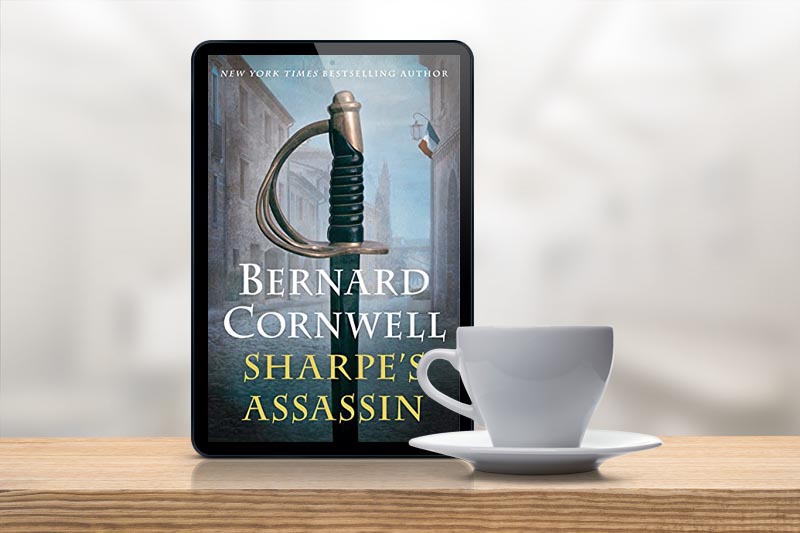
So I was thrilled that Bernard Cornwell published SHARPE’S ASSASSIN in 2021, which puts a final coda on the amazing career of his fictional British soldier. The first book, SHARPE’S EAGLE, came out in 1981 and introduced Richard Sharpe, a rifleman in His Majesty’s Army during the Napoleonic Wars who is promoted into the officer ranks for gallantry in battle. 25 books later, Sharpe is fighting Napoleon’s last gasp with the same fantastic period details, historical lessons, and memorable characters that have entertained (and educated) millions.
In SHARPE’S ASSASSIN, Napoleon has been defeated at Waterloo, but the wily ex-Emperor remains at large. Remnants of the French army fight on against a coalition of British and Prussian forces. Now a lieutenant colonel, Sharpe’s battalion was mauled during the fighting at Waterloo. Indeed, the story begins as Sharpe and ever-faithful sergeant Patrick Harper are burying long-time friend Dan Hagman.
Summoned to the headquarters of the Duke of Wellington, Sharpe is given an unorthodox new assignment.
He must capture a citadel in a town that has yet to surrender, in order to rescue an important prisoner held by the French. It’s a fool’s errand but the prisoner has information about a cohort of fanatical Frenchmen called la Fraternité determined to carry out assassinations and restore Napoleon to power. Wellington himself is in the groups’ crosshairs.
As in every Sharpe book, the action is breathtaking with great imagery, perfect pacing, and a sense of big things at stake. Sharpe doesn’t come through these skirmishes unscathed; we can almost smell the blood and choke on the dust, feel our arm weighted by the heavy sword and shudder from the recoil of the rifle as the leather-wrapped ball sings through the air.
What I loved about SHARPE’S ASSASSIN is the way Sharpe’s entire career is referenced, as well as his uncertain birth, which allows us to relive his major exploits and the battles he so narrowly survived. This goes back to when he was flogged–before being promoted to an officer–and the way in which Sharpe gets his revenge is supremely delicious.
His romances are there, too. (Let’s face it, Sharpe was hardly celibate as he marched from Portugal to Belgium.)
But what makes this final Sharpe adventure so outstanding is that Sharpe has finally met his match in a French officer whose reputation for fearlessness and victory in battle matches his own. It was the perfect way for the series to come full circle, only deepening my belief that Bernard Cornwell has no equal as a storyteller.

Dec 12, 2021 | #booknews, #newsroom, #noticed
My 2021 Gift Guide features everything a mystery lover needs for the year ahead.
Keep scrolling to find reader favorites from the Mystery Ahead newsletter, non-fiction reads that go inside the Detective Emilia Cruz mystery series and the Galliano Club thriller series, plus an Amazon list of ideas for even the fussiest on your list.
Click the title to see on Amazon.
Top books of 2021, based on Mystery Ahead reader clicks
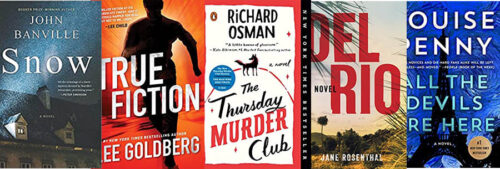
The Mystery Ahead newsletter is delivered fresh every other Sunday, with #booknews, exclusive #excerpts, and #reviews of must-read mysteries. In 2021, over 20 mysteries were reviewed.
In order of popularity, these were Mystery Ahead reader favorites in 2021.
SNOW by John Banville
Irish whodunit SNOW has the same vibe as the tv series Endeavour, about the young Inspector Morse. If SNOW is ever made into a movie, actor Shaun Evans would make the perfect detective St. John Strafford.
TRUE FICTION by Lee Goldberg
This outrageously campy thriller was pure escapism. Prepare to suspend disbelief as nerdy writer Ian Ludlow saves the world with the help of a dog walker and a zany ex-actor.
DEL RIO by Jane Rosenthal
DEL RIO confronts the issues of human trafficking and migrant labor and delivers a compelling story rooted in empathy and authenticity.
THURSDAY MURDER CLUB by Richard Osman
What happens when the residents of a bucolic senior living community in England get together to investigate a murder? For starters, one murder becomes . . . many.
ALL THE DEVILS ARE HERE by Louise Penny
Armand Gamache solves a crime with historical roots in Paris, in a return to the moody atmosphere and family subplots that made the series such a success.
My bestselling books of 2021
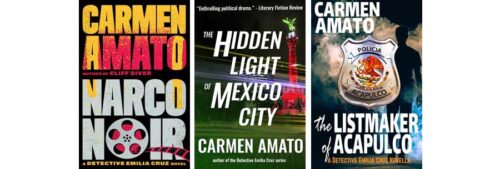
Mystery readers went for these books in a big way in 2021. Thank you!
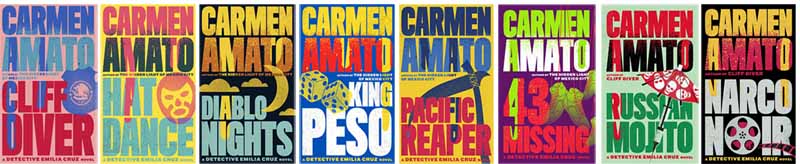
NARCO NOIR: An Emilia Cruz Novel by Carmen Amato
A bitter past drives Acapulco’s first female police detective into a Hollywood film starring lies and murder when she goes undercover to catch a killer. As the camera rolls, Detective Emilia Cruz will face her toughest case yet. Book 8 in the series.
The Hidden Light of Mexico City by Carmen Amato
A stunning political thriller from a former CIA officer on the front lines of Mexico’s drug war. Expect characters who leap off the page and a chilling border scenario that could be tomorrow’s headlines.
The Listmaker of Acapulco (An Emilia Cruz Kindle Single) by Carmen Amato
A secret list and a nine-fingered man push Acapulco’s first female police detective to the edge in this exciting companion to the award-winning Detective Emilia Cruz mystery series.
Essential background reading for the Detective Emilia Cruz series
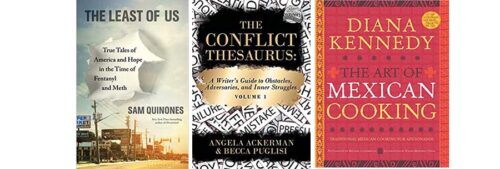
Drugs, conflict, and good food are all enduring themes in the Detective Emilia Cruz series.
THE LEAST OF US: True Tales of America and Hope in the Time of Fentanyl and Meth by Sam Quinones
Meticulously researched and brilliantly told account of the rise of killer drugs in America. I hope the author wins the Pulitzer Prize.
THE CONFLICT THESAURUS: A Writer’s Guide to Obstacles, Adversaries, and Inner Struggles by Becca Puglisi and Angela Ackerman
A great reference manual for mystery and thriller writers.
THE ART OF MEXICAN COOKING: Traditional Mexican Cooking for Aficionados: A Cookbook by Diana Kennedy
Every Emilia Cruz novel ends with a recipe from a meal in the book. Many are from my Spanish-language version of this comprehensive cookbook.
Essential background reading for the Galliano Club thrillers
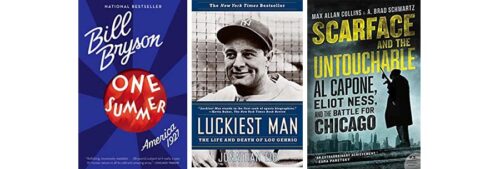
Resources that I reached for in 2021 as I wrote about the 1920’s for the Galliano Club thriller series.
ONE SUMMER: America, 1927 by Bill Bryson
A snapshot of America during the glorious summer of Lindbergh’s flight across the Atlantic, as Babe Ruth and Lou Gehrig crisscrossed the country on an equally groundbreaking baseball tour.
LUCKIEST MAN: The Life and Death of Lou Gehrig by Jonathan Eig
A brilliant biography of the legendary ball player. Did you know his last words were “All my pals.”
SCARFACE AND THE UNTOUCHABLE: Al Capone, Eliot Ness, and the Battle for Chicago by Max Allan Collins and A. Brad Schwartz
Every conceivable detail about the lives of Al Capone and Eliot Ness and their fateful intersection.
Books I’m gifting this year

In addition to the top 5 mysteries from the Mystery Ahead newsletter, I’m gifting some unique non-fiction.
IN THE COMPANY OF WOMEN: Inspiration and Advice from over 100 Makers, Artists, and Entrepreneurs by Grace Bonney
Interviews rich in advice and inspiration from women trying their best to live creative lives.
CITIZENS OF LONDON: The Americans Who Stood with Britain in Its Darkest, Finest Hour by Lynne Olson
One of the best books about London during the Blitz, even better than THE SPLENDID AND THE VILE.
HISTORY OF THE WORLD MAP BY MAP by the Smithsonian Institution
The ultimate gift for the voracious map and history lover.
Bonus gift ideas from my US Amazon.com idea list
My favorite skin care, journals, calendars, board games, fitness tools, woolly throws, and Kindles, plus the desk lamp I cannot work without. These are the items I use and gift.
Get the list on Amazon.com
Oct 25, 2021 | #reviews
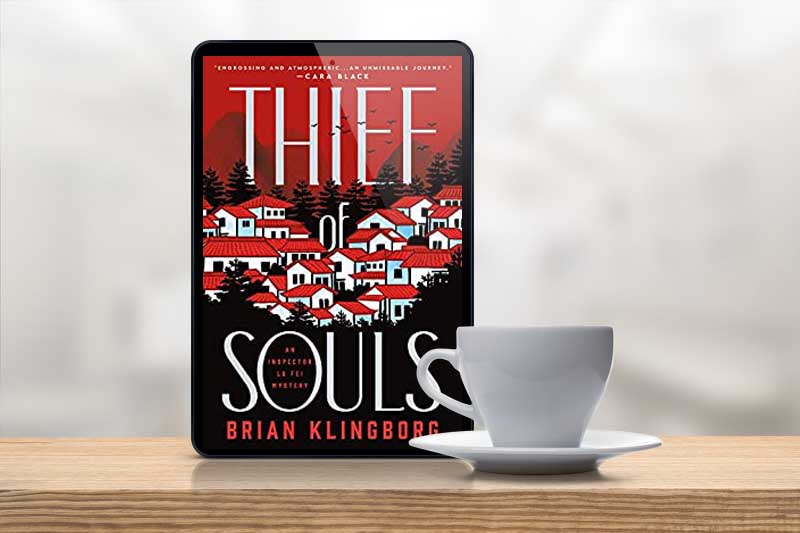
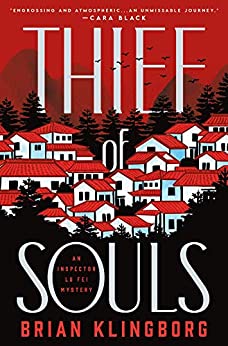
THIEF OF SOULS by Brian Klingborg
I love a mystery with a unique plotline in which a crime or a twist (or both!) is only possible because of the setting. And I love an author who pulls me into that setting and makes me experience it in an almost tactile fashion. THIEF OF SOULS is Brian Klingborg’s first Inspector Lu Fei mystery and he does all that and more.
There aren’t many police procedurals set in China to begin with and Klingborg goes for the doubly unexpected by avoiding Beijing, the locale of Peter May’s China Thrillers (THE FIREMAKER, etc) and bringing us north to Raven Valley, a mostly rural township outside Harbin. Lu Fei is the deputy chief of the Public Security Bureau there, answering to an ambitious boss who knows the best way to get ahead is to avoid doing anything controversial. The place is dull, leaving the single Lu plenty of time to drink at the Red Lotus and moon over the comely proprietress Yanyan.
A young woman’s murder upends the cycle of boredom and drinking, especially when it is discovered that her vital organs have been removed and the body sewn up neatly. Both security and Communist Party officials from Beijing descend on Raven Valley and China’s complicated internal workings go on display for the uninitiated.
Lu is soon caught between his old boss in Harbin, who hates his guts, and the upwardly mobile Beijing officials who will take credit for his work if he solves the murder and stick a knife in his ribs if he doesn’t. Or just because he’s inconvenient.
The book really delivers a look inside a system where the political party dictates reality based on the various players’ struggle for power. Everyone else must comply, no matter how illogical. In this way, the book is similar to Martin Cruz Smith’s groundbreaking Arkady Renko series which showed the warped logic of the Soviet Communist Party in GORKY PARK, RED SQUARE, etc.
Even as the most convenient suspect is pressured to confess, Lu investigates the victim’s posh lifestyle in Harbin, which is a huge contrast to rural Raven Valley where her body was found. He eventually connects her to a senior Party official. But that’s hardly the end of the case.
The book is fantastically atmospheric, with a sprinkling of Chinese poetry, wise sayings, and Chinese language words which are always put in context. I read it in two days, thoroughly immersed in the story and characters. The ending felt a bit rushed, but maybe that was me reading it at warp speed.
Bottom line? I’m grabbing the second Inspector Lu Fei novel as soon as it comes out.
Get THIEF OF SOULS on Amazon
Oct 18, 2021 | #EmiliaCruz
It only took 7 years, but the real truth behind Mexico’s most notorious true crime is finally coming out.
43 MISSING TRUE CRIME
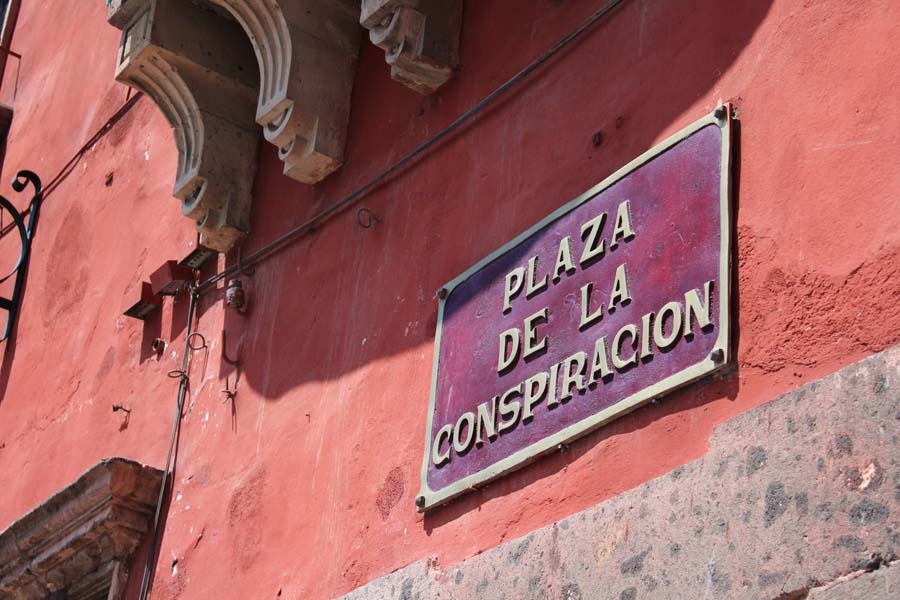
On 24 September 2014, students from the Ayotzinapa rural teacher’s college in the Mexican state of Guerrero—best known as home to the iconic resort city of Acapulco—headed to the central city of Iguala. Their intention was to commandeer buses for a ride to Mexico City to attend the annual protest rally commemorating the shooting deaths of university students by the military in 1968.
They were successful in commandeering a couple of buses, this being an unwelcome but not-uncommon practice. Police raided the buses as evening fell and grabbed most of the students. A few escaped with tales of being hunted during the night. In the chaos, four students and two others were killed. One body is found without eyes or facial skin, like in a cartel slaying.
The 43 students taken by the police were never seen again.
INITIAL INVESTIGATIONS AND CONCLUSIONS
Guerrero state authorities promptly arrested 22 Iguala municipal police officers in connection with the attacks, allegedly carried out in coordination with the violent Guerreros Unidos cartel. A few days later, the mayor of Iguala, Jose Luis Abarca made a lame radio statement, basically claiming to know nothing. A week later, he announced a 30-day leave of absence and disappeared with his wife.
Mass graves raised forlorn hopes of finding the remains of the missing. But those were not the right bodies.
A month later, the then-Attorney General of Mexico announced the arrest of the head of Guerreros Unidos. Next, the Attorney General claimed that the missing students were killed by cartel executioners and incinerated in a remote rubbish dump. https://www.vice.com/en/article/bja4xa/ayotzinapa-a-timeline-of-the-mass-disappearance-that-has-shaken-mexico
This sequence of events was termed “the historical truth,” almost certainly to create a sense of closure and enable the government to stop searching for the students’ remains. https://www.cnn.com/2020/07/07/americas/identified-remains-missing-mexico-students/index.html
Yet after a goofy and discredited claim that the police were acting for the mayor’s wife who didn’t want a speech interrupted, the motive behind the tragedy remained murky.
TRUE FICTION
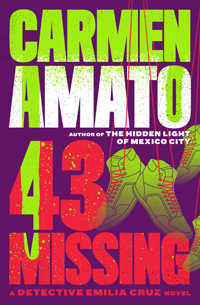
43 MISSING: Detective Emilia Cruz Book 6 was inspired by the tragedy.
I wanted motive and closure, if only in fiction.
Related: The Detective Emilia Cruz mystery series
As real life evidence continued to be sifted, obfuscated, and mangled, I had much to draw on, including an independent investigation by The Organization of American States that folded after a few short weeks, accusing the federal government of obstruction.
The website Forensic Architecture provided an amazing mockup of events, built using witness statements, telephone logs, 3-D modeling, and ground-breaking research by journalist and author John Gibler. https://forensic-architecture.org/investigation/the-enforced-disappearance-of-the-ayotzinapa-students.
Groping toward closure, I placed the first female police detective in Acapulco in a last-ditch investigation of a look-alike crime by impartial law enforcement from around Mexico.
Related: 43 MISSING on Amazon
The 2017 novel uses elements of the true crime including buses commandeered by the students, a red herring from the mayor’s office, encounters at highway toll booths, and the burned body/dump disposal theory. The crime had a clear motive.
But could Emilia find the bodies?
MEANWHILE, IRL
Over the past 7 years, members of the Guerreros Unidos, the Iguala Municipal police and the Mexican Army’s 27th Infantry Battalion have been arrested.
But to muddy the investigative waters, 50+ suspects were released because they were reportedly arbitrarily detained and tortured by federal agents now charged with human rights violations. The irony is mind-blowing. https://www.wola.org/analysis/mexico-arrest-warrants-ayotzinapa/
Tomás Zerón, former head of the now-defunct Criminal Investigation Agency (AIC), fled to Israel. Mexico is negotiating to have him extradited. He reportedly approved torture methods and offered bribes to criminals to support the “historical truth” narrative of the Peña Nieto government. https://mexiconewsdaily.com/news/former-ayotzinapa-suspect-says-feds-offered-4mn/
Iguala mayor Jose Luis Abarca and his wife Maria de los Angeles Pineda, fled Iguala shortly after the tragedy, but were arrested in Mexico City less than 2 months later. Charges against them have gone through several permutations but as of October 2021 they remain in jail awaiting trial. https://mexiconewsdaily.com/news/former-ayotzinapa-suspect-says-feds-offered-4mn/
The chief of police of Iguala, Felipe Flores Velázquez, was arrested in 2016 after hiding in plain sight for two years. Head of the Guerreros Unidos, Sidronio Casarrubias Salgado, was arrested and fingered both the mayor and Flores. https://mexiconewsdaily.com/news/iguala-chief-arrested-two-years-after-fleeing/
Humberto Velázquez Delgado (alias “El Guacho”), a retired Guerrero State Police commander and key suspect, was murdered by unknown cartel killers in Iguala in June 2021 after several attempts. His two sons and brother were listed as being on active duty—3 of 165 Iguala cops—that night. None were ever investigated, however, possibly because his brother, Ulises, was deputy director of the Iguala Municipal Police under former Institutional Revolutionary Party (PRI) mayor Esteban Albarran (the same party as former President Peña Nieto). http://www.borderlandbeat.com/2021/06/gunmen-kill-el-guacho-ex-police.html
NEW TEXT EVIDENCE SHOWS MOTIVE
Newly released text messages verify suspicions that the buses the students commandeered were being used by Guerreros Unidos to transport drugs across the US-Mexico border.
FYI, the state of Guerrero is a well-known transport hub for illegal drugs heading north.
Basically, when they took those buses, the students from Ayotzinapa unwittingly seized a load of heroin.
Iguala’s government officials, law enforcement, and local military, whose pockets were lined with $$ from drug sales in the US, couldn’t let the buses go.
Related: Hard Truths about the Drug War from a Retired Intel Officer
COP and CARTEL
Gildardo López Astudillo, aka El Gil, the local leader of the Guerreros Unidos cartel at that time, and Francisco Salgado Valladares, deputy chief of the municipal police, working for Felipe Flores Velázquez, were in touch through the night of 24 September 2014.
Salgado texted López to say that his cops had arrested two groups of students for having taken the buses. Exchanges continued during the night to coordinate the transfer of groups of students, using slang to reference handover locations and burying bodies.
Another text message to the gang leader from the deputy police chief said that “all the packages have been delivered,” a probable reference to packages of heroin being sent north to the US-Mexico border.
“Mike Vigil, the DEA’s former chief of international operations, told The Daily Beast that this strongly implies that López was calling the shots all along, ordering Salgado to arrest the students lest they accidentally hijack his shipment of dope.” https://www.thedailybeast.com/we-finally-know-how-43-ayotzinapa-students-on-a-bus-vanished-into-thin-air?ref=home
Salgado Valladares went on the run after September 2015 and was captured in May 2015 in Cuernavaca, in the state of Morelos. His monthly income from the Guerreros Unidos is said to have been 600,000 pesos, or about US $40,000. https://mexiconewsdaily.com/news/key-iguala-suspect-captured-in-morelos/
Despite gruesome evidence on his cellphone, López Astudillo was released in 2019 along with dozens of other suspects because of the aforementioned human rights issues. https://www.nbcnews.com/news/latino/main-suspect-case-mexico-s-missing-43-students-absolved-attorneys-n1049631
He was listed as among the dead in a confrontation between the military and armed civilians in the community of Tepochica, outside Iguala, http://www.borderlandbeat.com/2019/10/gildardo-lopez-astudillo-aka-el-gil.html but more likely remains at large. https://mexicodailypost.com/2021/10/12/what-really-happened-to-the-43-missing-students-from-ayotzinapa/
NOW FOR SOME LINEAR THINKING
If the US wasn’t so hungry for heroin and other illicit drugs, sales would not be so incredibly lucrative.
If sales of heroin and illicit drugs weren’t so lucrative, civil authority in Mexico wouldn’t be aiding and abetting drug smugglers.
If civil authority in Mexico wasn’t aiding and abetting drug smugglers, those 43 students would still be alive.
Oct 11, 2021 | #reviews
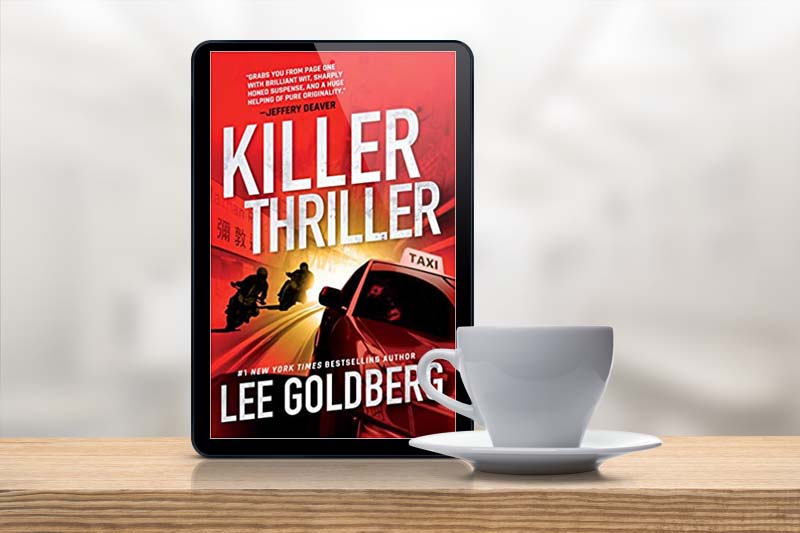
KILLER THRILLER by Lee Goldberg
Action thriller writer Ian Ludlow is at it again in this zany unputdownable page-turner, the sequel to the equally wonderful TRUE FICTION. Like TRUE FICTION, KILLER THRILLER combines an over-the-top plot with author Goldberg’s own screenwriting chops.
As a result, the pace is brisk, the dialogue is clever, and the whole premise is refreshingly original and fun.
Ian Ludlow, a pudgy writer who lives in a bland apartment, is nothing like his main character, ultra cool action hero Clint Straker. Since saving the US from evildoers (in TRUE FICTION) Ian has gained a few pounds, written another best-selling Clint Straker thriller, and snagged a movie deal.
The movie Straker is being filmed in Hong Kong, and Ian is invited for a promotional jaunt. He arrives in Hong Kong with new assistant Margo French, his unlikely ally from TRUE FICTION. In short order, the movie script and Ian’s research for a forthcoming Straker book come to the attention of elements of China’s intelligence service.
These baddies are on the verge of completing an operation to take over the US by stealth. Ian’s notes eerily resemble the real-life operation. They assume he’s a CIA spy sent to thwart their operation.
Naturally, they have to get rid of him.
Add a ruthless assassin, a Wall Street Journal reporter whose identity is hacked by the Chinese, a Chinese starlet desperate to defect, and a whirlwind tour of Hong Kong, and Ian is once again riding a whirlwind and trying to figure out what Clint Straker would do.
Goldberg freely borrows from pop culture. There’s a little bit of Dr. Evil in our Chinese plotters. The president doesn’t mince words on Twitter. The star of Straker is a shortish action star named . . . wait for it . . . Damon Matthews.
Best of all, the action is punctuated by snippets of the screenplay for Straker which are so over-the-top that they deserve a place in the Pantheon of campy greatness. Not only do these excerpts provide some real laugh-out-loud moments, but they cleverly convey necessary technical details key to the plot.
Suspend disbelief, prepare to be entertained, and enjoy the crazy ride with Ian and Margo!
Highly recommended.
Get KILLER THRILLER on Amazon

Oct 4, 2021 | #EmiliaCruz, #noticed, #truestory
Chris Reed, deputy editorial and opinion editor for the San Diego Union-Tribune, recently wrote a piece entitled “Add Mexico to Afghanistan, Iraq to list of nations U.S. has severely wronged.” I was surprised to find that the article centered on the views of Don Winslow, author of THE CARTEL, etc.
Given my own opinions on the US-Mexico relationship, formed during my intelligence career and reflected in my crime fiction, you can imagine my interest.
HARD TRUTHS
Don Winslow and I both write crime fiction set in Mexico. Our books often reflect real events. But do we share similar views?
Yes, to a significant extent.
Reed’s article maintains that Winslow believes that “the 1994 North American Free Trade Agreement [NAFTA] made it so easy for cartels to move cocaine, marijuana, heroin and now fentanyl across the border into the U.S. that it has warped Mexico’s economy, undermined its democracy and gotten more than 100,000 Mexicans killed.”
The NAFTA agreement gave the US “an economic incentive to not inspect the thousands of trucks that cross the border every day with a thoroughness that would limit the cartels’ ability to earn billions of dollars by catering to American appetites for illegal drugs . . [Winslow’s] research found that DEA agents call NAFTA “the North American Free Drug Trade Agreement.”
https://www.sandiegouniontribune.com/opinion/commentary/story/2021-09-17/chris-reed-add-mexico-to-afghanistan-iraq-on-list-of-nations-u-s-has-severely-wronged
FILLING THE SIEVE
Fast forward 6 years from 1994. I was beginning to focus my intel career on the Western Hemisphere. The drug cartels were firmly entrenched and making millions every week from America’s insatiable appetite. Stories about missing persons, cartel violence, and mass graves were gruesomely common. Mexican tabloids routinely pasted horrific images across their front pages.
Gruesome and dismembered sells.
The US was spending heavily to stop the drug trade. FYI, the latest reports claim that the US has spent a trillion on the war on drugs, $34 billion in 2020 alone. https://www.cnbc.com/2021/06/17/the-us-has-spent-over-a-trillion-dollars-fighting-war-on-drugs.html
Those of us in the intelligence community did our best to fight organized crime, target cartel leaders, and staunch the flow of drugs into the US.
But we were pouring our efforts, like water, into a sieve. Lots of dirt got sifted out to be sure (Pablo Escobar, El Chapo, etc) but the rest of the US was subsidizing the drug war we were trying to stop.
The odds were not in our favor.
Related: Detective Emilia Cruz’s Origin Story
FOLLOW THE MONEY
In his article, Reed quotes Winslow’s 2015 open letter to the White House:
“It’s not the ‘Mexican drug problem.’ It’s the American drug problem. . . It’s simple: no buyer, no seller. We fund the killing, fuel the killing, and sustain the killing (my emphasis) . . . You’re so concerned about terrorists thousands of miles away that you don’t see the terrorists just across our border. The cartels are more sophisticated and wealthier than the jihadists and already have a presence in 230 American cities. The cartels were running the ISIS playbook — decapitations, immolations, videos, social media — 10 years ago.”
In short, organized crime/cartels are armed, cunning, and ruthless, and we are paying them top dollar.
The year after Winslow penned that letter, US drug users spent $150 billion on cocaine, heroin, marijuana, and methamphetamine, according to the Rand Corporation. https://www.rand.org/pubs/research_reports/RR3140.html
Let’s get some perspective. $150 billion is more than 7% of the US GDP. According to largest.org, which calculated the largest industry sectors in the US, $150 billion per year is more than each of the following economic sectors: durable goods manufacturing, finance and insurance, and state and local government spending. https://largest.org/technology/industries/
That was in 2016. What are we spending now?
More recently, Addiction Centers posted an astounding graphic, claiming users in the US spend $56 million per day on meth and almost $47 million per day on cocaine. I didn’t see their methodology but neither do I have information to say those numbers aren’t for real. https://addiction-treatment.com/in-depth/what-america-spends-on-drug-addictions
BY THE NUMBERS
The National Center for Drug Abuse Statistics and the Centers for Disease Control keep rolling out statistics that should be front page news, but sadly are not.
Let’s start with cocaine. According to the CDC about cocaine-related deaths in the US:
- 90,000 deaths by overdose in 2019.
- 93,000 deaths by overdose in 2020.
Now some joy about fentanyl. FYI, it’s called the “Drug of Mass Destruction.”
- 42,687 overdose deaths (OD) involved fentanyl in the 12 months leading up to May 2020.
- Fentanyl OD rates are rising 2.5 times faster than heroin ODs.
- Fentanyl ODs outpace prescription opioid ODs 550.94%.
- 2.2 lbs (1 kilogram) of fentanyl contains 250,000 lethal doses.
According to the Washington Free Beacon, “Fentanyl seizures in 2021 have nearly doubled 2020 numbers, according to records quietly released by Customs and Border Protection. The “Drug Seizure Statistics” tool run by the agency disclosed [earlier in September] that agents already seized 9,337 pounds of fentanyl by the end of July, a 94 percent increase from the 4,791 pounds seized in the entirety of 2020 . . . Experts say that just two milligrams of fentanyl can cause a lethal overdose to people with no tolerance for the drug, meaning the amount of the drug seized by CBP through July could potentially kill two billion people.” https://freebeacon.com/biden-administration/fentanyl-smuggling-surges-at-border/
NYPD data from April 2021 shows that one out of every 10 bags of cocaine sold on the street in NY contains fentanyl.
- 80% of the heroin tested by the NYPD contains fentanyl.
- 2/3 of OD deaths in NYC involved fentanyl.
I recently saw articles about the party scene in New York City coming back, warning friends to stay hydrated and carry Narcan because the cocaine supply is laced with fentanyl. https://gothamist.com/news/if-youre-partying-again-in-nyc-be-wary-of-fentanyl-laced-cocaine
No articles telling friends not to take cocaine.
WHAT THIS BUYS FOR MEXICO
In RUSSIAN MOJITO, I wrote: “Money flowed through each operation, and in Mexico, money and drugs always swam in the same river.”
The money that the US pays to consume illicit drug washes through every sector of Mexican society. Drug money is a way to sidestep Mexico’s rigid social system, lack of rural infrastructure, and weak civil leadership.
Fueled by the US appetite for drugs, organized crime is leaching away civil authority. Politicians are easily bought and even if they weren’t, the organs of civil order are too small, too poorly paid, and too poorly vetted to stand against the bulldozer of organized crime.
Organized crime factions vie for control of the industry even as they branch out into extortion, kidnappings, fuel theft, etc. The result is more violence, more pressure on civil authority, more money to line pockets.
For example, look at the 6 June 2021 elections in Mexico. Think of it as Mexico’s mid-terms. 500 seats in the lower house of the federal Congress, 15 state governorships and thousands of local leadership positions were up for grabs.
It was a massively violent election season. Reuters reported that 97 politicians were killed and almost 1000 were attacked, most at the local level.
In Tijuana someone threw a severed human head at a voting station on election day. Plastic bags filled with body parts were found nearby.
If you read the news from the region with any regularity, bodies in trash bags are mentioned far too often.
THE BRUTAL BENCHMARK
In the Detective Emilia Cruz series, she keeps a binder of reports of missing women that she calls Las Perdidas. Emilia’s hunt for them is a running theme throughout the series and the plot of the 2019 Silver Falchion award winning story, The Artist.
Why write about missing persons? Because the numbers of missing and disappeared persons has become the benchmark of how bad things are in Mexico.
The number of missing in Mexico continues to rise. No one really has a hard number but something like 90,000 people have gone missing in the past 15 years.
That’s a quarter of St. Paul, Minnesota. It’s the entirety of Murfreesboro, Tennessee down the road from me.
It’s the number of overdose deaths in the US in 2019.
Mexico is littered with mass gravesites full of unidentified bodies but lacks good recordkeeping so it’s hard to know just how many bodies have been discovered. Nor is there a link between finding bodies and a database of the missing. Ergo, identification lags far behind discovery. http://www.borderlandbeat.com/2021/09/platform-on-mass-graves-is-born-in.html
When they were looking for the remains of the 43 students who were victims of a mass kidnapping back in September 2014, the tragedy I wrote about in 43 MISSING, they found scores of unidentified bodies in graves in the state of Guerrero, not so far from the resort city of Acapulco.
But those weren’t the bodies they were looking for.
THE BIG QUESTION
Chris Reed and Don Winslow remind us that US drug use paid for all those graves.
Why aren’t more people talking about this?
Some links to check out:
National Security this Week with guest Carmen Amato: https://kymnradio.net/2021/08/04/national-security-this-week-with-carmen-amato-8-4-21-intelligence-operations/
The Ascent of Narco Noir: A Literary Game Changer: https://www.criminalelement.com/ascent-narco-noir/
CLIFF DIVER: Detective Emilia Cruz Book 1: https://geni.us/cliff-diver

Sep 27, 2021 | #truestory
On his radio show National Security This Week, thriller author and former US military intel officer Jon Olson asked me why I’d specialized in Western Hemisphere issues as an intelligence officer.
Related: National Security this Week broadcast
Build things and Fix things
As I told one senior manager during a career development talk, I like to build things and I like to fix things. That was sort of the theme of my career, especially in the last half.
The Western Hemisphere appealed. I grew up Italian and Catholic and easily embraced local traditions of family, church, and holidays in Mexico and Central America.
So the Western Hemisphere gave me the opportunity to combine problem solving with a cultural fit.
Related: Inside my CIA Career: The Point of it All

Related: More about Carmen
The precise moment of awareness
I can tell you the exact minute my fate was sealed.
I was sitting at my desk in the office eating lunch and surfing around online. Came across a video posted by the Blog del Narco website.(I tried to link but my anti-virus software advised against it.)
For those who aren’t familiar, this uncensored site posts graphic content of narco activities in Mexico, much of which is created by the cartels and gangs themselves. It’s a “look what we’re up against” kind of site that has ebbed and flowed over the years. As you can imagine, staff is continually targeted by cartels.
So this particular video shows a clearing in the woods. There’s a dead man in the foreground, wearing nothing but a pair of shorts. The video is kind of grainy, but he’s definitely dead.
There’s another guy, fully dressed, and he’s got an axe and he’s trying to chop off the dead guy’s arm at the bicep.
But either the axe is dull or the dead guy has bones like concrete because our woodsman is chopping and chopping and getting nowhere.
Meanwhile, off camera, male voices are hooting and hollering at the guy with the axe, yelling advice, questioning his strength and technique.
My bite of sandwich literally fell out of my mouth. It was such a visceral lesson in what was happening in Mexico.
You know, I remember that video in black and white. But I am not sure that it wasn’t in color.
The moment lasted
The Agency is a fairly flexible organization that wants well-rounded officers. If you have transferable skills, an understanding of how the intelligence community works, and how the different intelligence mission areas support each other, you can move across the organization.
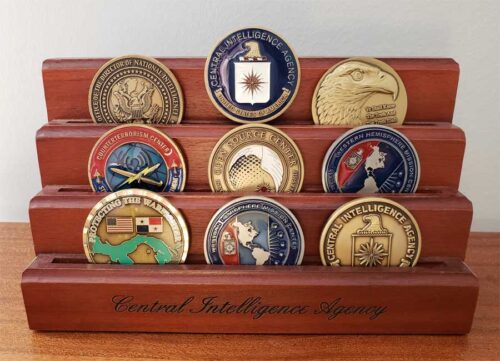
Related: Inside my CIA Career: Variety and the Spice of Life
It’s not common. Most folks, stay in a single mission area for their entire career. I was very lucky to have been able to work across all 3 major mission area: analysis, operations, and S&T, largely because I had transferable skills that could be applied to a variety of positions that focused on or were in the Western Hemisphere.
Remember, I wanted to fix things . . .
Featured image by Jason Abdilla via Unsplash

Sep 20, 2021 | #EmiliaCruz
What is Detective Emilia Cruz’s origin story? How was the mystery series invented?
Well, it started with poinsettias.
Many, many poinsettias.
The following is from the Author’s Note in the new edition of CLIFF DIVER, the first book in the Detective Emilia Cruz mystery series.
Where it started
The little church in Mexico City was decorated for Christmas with 100 red poinsettias. Every pew was filled, many with sleepy but excited children, for a special Christmas Eve midnight Mass.
Father Richard was leading us in the Prayer of the Faithful when an armed man staggered up the center aisle, his limbs jerking as he alternately murmured and shouted incomprehensible words. We all shrank back as he made his way towards the altar, an unexpected and volatile presence.
As the congregation looked on in growing panic, the man accosted Father Richard. The priest didn’t move or stop the prayer, just dug through his robes for a pocket. He pulled out a few pesos and pressed them into the man’s hand.
By that time several of the male congregants had come onto the altar as well and they gently disarmed and propelled the drug-addled man through the church to the rear door.
Christmas Mass continued. The addict remained nameless to the shaken congregation. But he stayed with all of us, evidence that Mexico’s own problems were growing as more and more drugs transited the country en route to the insatiable United States.
Growing Violence
We were an American family in Mexico City, embracing a new culture, exploring a vibrant city, and meeting people who were to impact our lives for years to come. But we always knew that the bubble was fragile and as if to prove it, Mexico’s news grew worse in the new year: shootouts in major cities, multiple drug seizures, rising numbers of dead and missing, the murders of mayors, governors and journalists.
Father Richard was murdered three years later. His killer was never found.
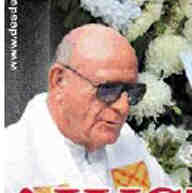
Father Richard Junius
I carried my memories of Mexico with me when we left. I poured them into a new novel, bringing a fast-paced contemporary style to a Cinderella story set against the backdrop of political corruption and cartel violence. The result was the 2012 political thriller The Hidden Light of Mexico City, a story from the heart that took on both Mexico’s rigid social system and the corruption that flows from huge drug profits. The reviews made me sure that contemporary fiction could ignite popular interest in what was happening in Mexico better than the news could.
Related: About The Hidden Light of Mexico City political thriller
Detective Emilia Cruz, the first female police detective in Acapulco, followed soon after.
She lives in a beautiful pressure cooker
Once one of the most glamorous tourist destinations in the world, Acapulco has fallen on hard times, thanks to the drug trade. With one of the highest homicide rates in the Western Hemisphere, Acapulco is a prize being fought over by rival drug cartels.
Tourism continues to be the city’s lifeblood but Acapulco has two faces; one of luxury and one of poverty. Both claw at Emilia and force her to survive between them.

Related: Emilia Cruz’s Acapulco
The series is as authentic as the Mexico I experienced and the drug war I fought as a US intelligence officer.
Emilia and I are in it for the long haul. We’ll see if a mystery series can raise awareness of what’s going on in Mexico, with plot elements straight out of the headlines, an authentic dive into one of the most beautiful settings on earth, and a little salsa fresca from my own years living in Mexico and Central America.
An origin story with hope and purpose
When Felix Contreras, the host of NPR’s ALT.Latino show, asked me about the Emilia Cruz character, I told him that she represented hope. Despite Mexico’s drug cartels and high murder rates, good people there are fighting for their country.
Related: Latino Noir broadcast with Felix Contreras
Part of the proceeds from sales of the Detective Emilia Cruz series support children’s cancer research, global water inequality, and US military veterans and first responders.
The drug addict unknowingly gave a gift that Christmas. The Emilia Cruz series will pay it forward.