Jul 29, 2024 | #authorlife, #GallianoClub
On 16 July, a tornado barreled through my hometown of Rome in upstate New York. With a population of around 32,000, Rome is near the geographical center of New York state. Summers there are known for humidity, marching bands, and Revolutionary War landmarks.
Not tornadoes.
The twister had peak winds of 135 mph and traveled more than 5 miles through the region. No one in Rome was killed, thankfully.
See an aerial view of the damage, courtesy of Yahoo News https://www.yahoo.com/news/tornado-hits-rome-york-damages-195227998.html
Roots in Rome
I grew up in Rome and was honored to be inducted into the city’s Arts Hall of Fame in 2019. https://www.romecapitol.com/hall-of-fame-directory/
Growing up next door to my grandparents, with my cousins a mile away, the city was a mostly Italian version of Bedford Falls, complete with snow and river. People worked “down ta mill” (as my grandfather would say) meaning the Revere Copper and Brass rolling mill, Rome Cable or Spargo Wire. Or they worked “down ta muck” as in Muck Road, where small truck farmers made a living growing vegetables and running dairy farms.
Inspo for the Galliano Club series
Inspired by my grandfather’s escapades while he was a deputy sheriff of Oneida Country in the 1920s, I used Rome, its mills and farms, and the Italian, Polish and Irish immigrants that grew the city to create the Galliano Club thriller books, which take place in 1926 during the height of Prohibition. Luca Lombardo runs the Galliano Club, a social hangout for Italian mill workers. Karol Dombrowski, a gentle Polish giant, works at the Lido Premium mill. Enzo Russo and Al Genovese have farms on Bell Road, a thinly disguised Muck Road. Chicago interloper Benny Rotolo wants to remake the Galliano Club into a speakeasy and rule his budding bootleg beer empire from it.
Of course, trouble–in the form of murder, blackmail, and revenge–ensues.
You can take a virtual tour of places mentioned in the books, courtesy of this From In Wood Out blog post: Travel Guide to the “Galliano Club Thrillers,” set in Upstate New York https://frominwoodout.com/travel-guide-galliano-club-thrillers-rome-new-york/
BTW, the name of the series is from the original Galliano Club which still stands today.

The original Galliano Club on Dominick Street in Rome NY. Photo by the author.
Tornado damage
Built in 1920, the Galliano Club building escaped the wrath of the July tornado, although so many other locations did not. Just a few blocks away, a newly reinvigorated economic zone anchored by the Capitol Theater was pummeled badly. A mural which I always thought was of Paul Revere, due to the Revere Copper and Brass Rolling Mill which employed scores of Romans–my grandfather included–but was of Revolutionary War hero Peter Gansevoort is gone; the building it was painted on too unstable to be saved. Windows blew out of the theater. Luckily the bookstore was able to salvage much of its stock.

St Mary’s Church in Rome after the tornado. Photo courtesy Elizabeth Martina
Two churches lost their steeples and roof sections. Trees crashed down at the Rome Art and Community Center, where we took our wedding photos. A roof peeled off a major grocery store. Cars were crushed by debris and falling buildings. Over 300 residences were damaged.
A state of emergency was declared. The National Guard rolled in. Governor Hochul came to inspect the damage.
John Clifford, a fellow member of the Rome Arts Hall of Fame, Class of 2019, took these photos of the widespread damage: https://www.romesentinel.com/multimedia/july-17-rome-ny-tornado-aftermath-nws/collection_57d90a3e-446a-11ef-ad39-5bdcf1c21a5f.html#1
More photos were taken by Nancy Ford https://www.romesentinel.com/multimedia/see-rome-begin-recovery-from-ef2-tornado-in-19-photos/collection_77aebef6-4485-11ef-a825-cb4803f354d9.html#1
The storm dampened my excitement over REVENGE AT THE GALLIANO CLUB being named a finalist for the Silver Falchion Award from Killer Nashville. MURDER AT THE GALLIANO CLUB won the award last year.

Please share
The city is moving quickly to get back on its feet but the economy was not robust to begin with. Recovery will be a long process.
Please share this City Hall links so folks in the Rome area know what resources are available: https://romenewyork.com/rome-tornado-recovery/
Featured image snapshot courtesy of Yahoo News.
Jul 19, 2024 | #friends
I had the pleasure of meeting Liese Sherwood-Fabre when we were fellow panel members at a mystery author event organized by the Smith County Library in Wylie, Texas. After the event, we discovered that we have much in common, including having juggled work and family while living overseas in Mexico and Central America.
Although Liese was not in the intel world, our experiences were similar enough to create instant rapport and I wanted to know more. Plus, I wanted to learn how she came to write a new chapter in the Sherlock Holmes story.
Here’s what she told me.
CA: You live in Texas now but previously lived in Mexico and Honduras, both places where history, culture and crime collide. What did you love about living in each place? What didn’t you like? What did you learn there that was unexpected?
LSF: I actually visited both countries before we moved there. I studied at the National University in Mexico City (UNAM) one summer while an undergraduate. That’s how I met my husband. He was a blind date. We hit it off and corresponded (and visited when possible) for four years before we married. After graduate school, we moved to Washington, DC, and among other jobs, I worked for the US Census Bureau.
One of my assignments was to consult with the Honduran government about their upcoming census. I spent time working with government officials in reviewing their plans for the effort.
So, I had a pretty good idea of what to expect when we moved there. The people are extremely open and friendly. While there are pockets of wealth, many live at or below the poverty level. Such poverty leads to all sorts of crime, and being cautious was a part of life in both countries. To me, that is the saddest part of any developing country—the inequality of wealth, which leads to all sorts of other problems.
Perhaps the most unexpected of these consequences is the impact it has on the environment. Deforestation is a major problem in both (even 30-40 years ago). Rural farmers need land to grow food, wood for fuel and housing, etc. All this has supported the climate change we are now experiencing.
The hardest part is there are no easy answers, but if we don’t work on the problems, there are others that will fill the void—the drug cartels, socialists, etc.
CA: What did traveling to and living in different countries teach you about resiliency?
LSF: I have a PhD in Sociology and so I was aware of the concept of culture and its impact on beliefs and customs. I used to provide an orientation to exchange students when I lived in Mexico about how culture forms how we view the world. Things that we would never do or consider wrong in the US is normal and accepted in other places. Not getting hung up on that makes you less judgmental.
One example: Russians prefer odd numbers over even. Odd numbers are good luck. You don’t buy a dozen roses; you buy thirteen—what American would tell you to buy thirteen of anything (well, maybe a baker’s dozen, but otherwise…)?
Also you kiss a person three times on the cheek—not two. Knowing this is a cultural thing lets you say, “Ok. I need to work this way here.” And not “This is wrong.”
CA: What transferable skills from international travel and previous career experiences do you apply to your career as a mystery author?
LSF: I’ve learned to write when I get a chance.(CA: Harder than it sounds!) I started writing while in Mexico. After reading some short stories, I decided I could do one.
I’d wait until my kids were in bed and then write some before I went to bed. It took me weeks, and the rejection was almost immediate, but I was hooked. I started on a novel, finished that one, moved to Russia, and began a second one writing on a bus that carried me from a compound to the American embassy each day.

CA: You write Sherlock Holmes mysteries! How did you get started with Holmes?
LSF: I think most people know about Sherlock Holmes. The Robert Downey, Jr. films created a renewed interest a few years ago. I was on the treadmill one day (an easy place to let your mind wander) and thought about how Sherlock became Sherlock.
There is very little in the original stories about his past. This gave me an almost blank slate to work with.
I decided I wouldn’t make his father (obvious choice) his mentor, but his mother. I gave her a name (not even mentioned in the original works), a background (the niece of a famous French artist who was mentioned in the original stories), and a brilliant mind confined by Victorian conventions. Her sons (Mycroft and Sherlock) are her outlet for her limited life.
Related post: Sherlock Holmes and Friends
CA: If you could invite anyone to dinner, dead or alive, who would it be and what are you serving?
LSF: This question always stumps me because there are so many I’d love to learn from. Some might be too intimidating (Einstein, for example), and I’m not sure what Sir Arthur Conan Doyle would think of my work.
I think, in the end, I’d like to have dinner with my parents. They have been gone a long time now, but I still miss them.
They also never had a chance to see any of my works published. My dad was a “meat and potatoes” guy, so I think that’s what we’d have. My mom liked coffee ice cream. That’d be dessert.
Thank you, Liese!
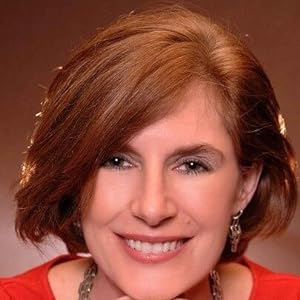
More about Liese: Liese Sherwood-Fabre has won awards for her thrillers, romance, and literary short stories, and NYT bestselling author Steve Berry describes her writing as “gimmick-free, old-fashioned storytelling.” https://liesesherwoodfabre.com/
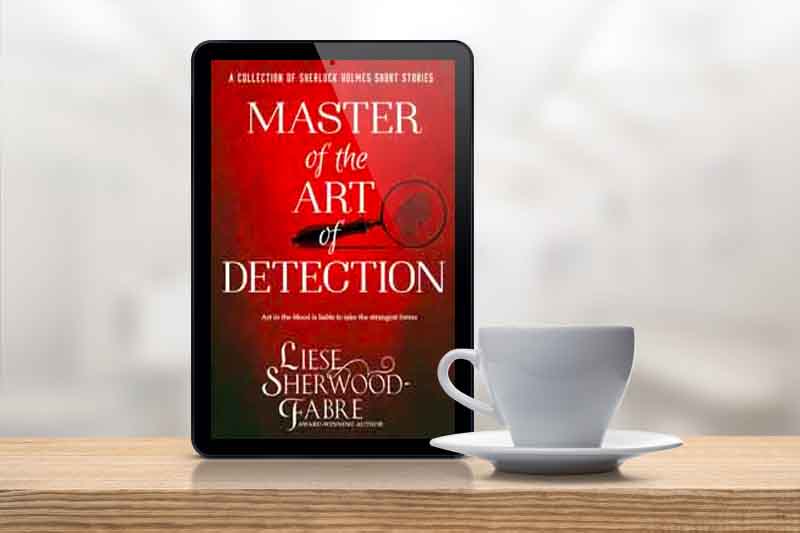
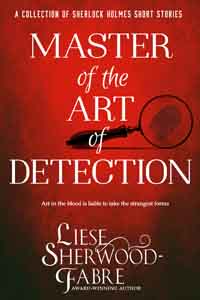
You can preorder her newest book, MASTER OF THE ART OF DETECTION on Amazon here.

Jul 9, 2024 | #booknews
Today I’m sharing 9 books by friends of the Mystery Ahead newsletter (and 1 by yours truly) that are on Killer Nashville’s list of Top Ranked Books of 2023, as reviewed by judges for the Silver Falchion Award.
You can see the full list here: https://www.killernashville.com/2024-silver-falchion-award-top-picks
It goes without saying that the 10 below are all highly recommended!
Top Ranked Action Adventure
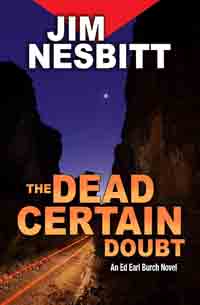
DEAD CERTAIN DOUBT by Jim Nesbitt
Hard living Texas PI tangles with Mexican cartel when he hunts for missing girl.
Find on Amazon: https://geni.us/doubt2023
Top Ranked Comedy
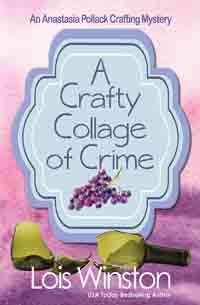
A CRAFTY COLLAGE OF CRIME by Lois Winston
Crafts editor Anastasia Pollack must solve a vineyard murder on her honeymoon.
Find on Amazon: https://geni.us/crafty2024
Top Ranked Western
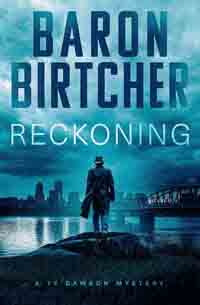
RECKONING by Baron Birtcher
Small town sheriff in 1970’s Oregon uncovers greed, corruption and dirty cops.
Find on Amazon: https://geni.us/reck2023

Top Ranked Cozy
PUPPY LOVE by Mike Faricy
PI Dev Haskell hunts for valuable dog and her puppies with hilarious results.
Find on Amazon: https://geni.us/pup2024
Top Ranked Historical
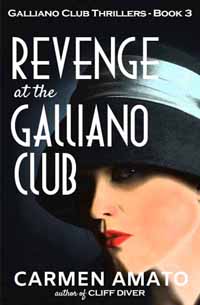
REVENGE AT THE GALLIANO CLUB by Carmen Amato
In 1926, widow of a Chicago mobster is determined to find her sister’s killer.
Find on Amazon: https://geni.us/revenge2023

Top Ranked Historical
POSTER GIRL by Shelley Blanton-Stroud
During WWII, columnist discovers deadly opposition to female welders.
Find on Amazon: https://geni.us/post2024

Top Ranked Historical
ARSENIC AT ASCOT by Kelly Oliver
Downton Abbey meets Agatha Christie in this clever locked-room mystery.
Find it on Amazon: https://geni.us/arsenic2024
Top Ranked Investigator
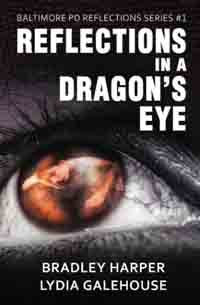
REFLECTIONS IN A DRAGON’S EYE by Bradley Harper
Baltimore cops search for killer using dragon myth to hide crimes.
Find on Amazon: https://geni.us/reflect2024
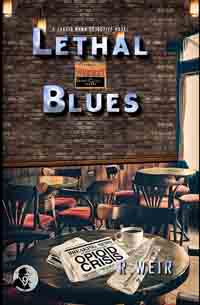
Top Ranked Investigator
LETHAL BLUES by Randy Weir
A friend enlists Denver PI Jarvis Mann in the fight against the opioid crisis.
Find on Amazon: https://geni.us/blues2024
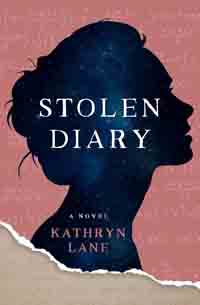
Top Ranked Mainstream
STOLEN DIARY by Kathryn Lane
A child prodigy uncovers explosive family secrets.
Find on Amazon: https://geni.us/diary2024
Jun 29, 2024 | #EmiliaCruz, #noticed
In BARRACUDA BAY, the upcoming Detective Emilia Cruz mystery set in Acapulco, elections for mayor are coming up fast. Incumbent Carlota Montoya Perez, an enigma to Emilia, wants another term but faces a determined and well-funded rival.
This is the second election campaign I’ve created for a female character. The first was relatively easy as the character of Lorena Lopez de Betancourt in political thriller THE HIDDEN LIGHT OF MEXICO CITY was based on Marta Sahagún, the glam but politically tone-deaf wife of then-president of Mexico Vicente Fox.
Lorena is the First Lady of Mexico, believing that with the help of her lover, Mexico’s top official at the Ministry of Public Security, she’ll be able to succeed her husband when his term is up. Little does she realize that her lover is using her to gain power for himself, and has struck a deal with El Toro, an El Chap-like drug lord, to divide Mexico into spheres of influence. Basically, they’ll buy the presidency for clueless Lorena and run it as a narco-state in her name.

Finalist, 2020 Millennium Book Award
Carlota is a more enigmatic and crafty character. Unlike Lorena, she’s no patsy. She calls the shots.
In creating her re-election campaign for mayor of Acapulco, I had some challenges. First, the mechanics of a political campaign are more complicated than when I wrote HIDDEN LIGHT. Social media has changed the PR landscape. Second, Acapulco faces big issues of economic recovery amid rising violence and missing persons. Third, Carlota’s big issues (hosting a Summer Olympics and recycling) have already been mentioned in the previous books; she can’t abandon them now.
So where to find inspiration for creating her re-election campaign? Everywhere, it seems.
2024 is shaping up to be the year of elections in numerous countries where I’ve spent considerable time. These 5 elections this year provide plenty of ideas to create Carlota’s fictional re-election campaign.

Mexico City by admknowdns via Pixabay
MEXICO
On 2 June, two female candidates faced off in the country’s presidential elections. Claudia Sheinbaum took the prize.
She’s the former mayor of Mexico City and a member of President Lopez Obrador’s Morena party.
State and local elections also took place the same day. The campaign season was the most violent in the country’s history, with 38 candidates killed. AP reported that many Mexicans cast nullified ballots by writing in names of Mexico’s 110,000+ who have disappeared amid drug war violence. https://apnews.com/live/mexico-election-results-updates#0000018f-db4c-d307-afdf-fb7d0e910000
Sheinbaum won with 59% of the vote. Her party and allies also won 7 of 9 governorships as well as two-thirds control over Mexico’s Senate and Chamber of Deputies. While security is a top issue for Mexican voters, Morena’s success is attributed to the decrease in the poverty rate in the past few years. According to Gallup, 73% of Mexicans say their standard of living improved while Lopez Obrador was president. https://news.gallup.com/poll/645167/mexico-votes-five-things-know-ahead-election
Interestingly, reporter Ioan Grillo noted that concerns outside Mexico that Lopez Obrador takes cartel money didn’t resonate inside Mexico, perhaps overshadowed by his feisty daily briefings and blustering, bullying style. https://www.crashoutmedia.com/p/claudia-sheinbaum-decimates-the-opposition (Or maybe taking cartel $$ is no longer seen as bad, but inevitable.)
Idea: Amid rising violence, Carlota can bluster past criticism like Lopez Obrador.
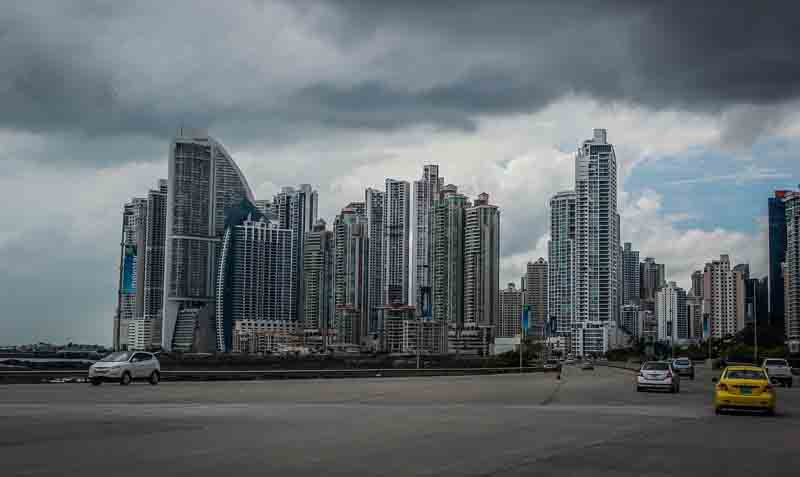
Panama City skyline by Wilhan Jose Gomes via Pixabay
PANAMA
On 5 May, Panama’s former security minister Jose Raul Mulino won the presidential election in a campaign dominated by former president Ricardo Martinelli, who is living in the Nicaraguan embassy to avoid prison.
As reported by Reuters, Mulino is a pro-business right-wing politician who served as interior and security minister during Martinelli’s administration from 2009 to 2014. “Among his top priorities will be fixing Panama’s pressing economic problems, tackling corruption, and restoring the country’s reputation as an investment haven . . . Corruption has become a hot-button issue for voters. Local media has recently reported on generous student loans and scholarships granted to the children of politicians and wealthy, high-profile families.” https://www.reuters.com/world/americas/panamanians-vote-crowded-field-presidential-contenders-2024-05-05/
Idea: Make sure Carlota isn’t seen as catering to her cronies.

Paris from above by edmondlaphoto via Pixabay
FRANCE
After “France’s far-right nationalists clobbered [President Macron’s] centrist party in the country’s vote for European Parliament earlier this month” Macron called for a snap legislative election. https://www.npr.org/2024/06/26/nx-s1-5020103/france-election-2024-parliament
He’ll keep his job; the elections are just for the lower house. Macron’s party is polling a distant third right, now, trailing Marine Le Pen’s National Rally party. The voting will indicate who he may have to select as a new prime minister.
It’s entirely possible that after the final round of voting on 7 July, France’s new prime minister is National Rally’s Jordan Bardella, a 28-year-old wonder kid with 1.7 million followers on TikTok.
Idea: Give Carlota a top-notch social media presence.

London aerial view by liushuquan via Pixabay
UNITED KINGDOM
On 4 July, the UK votes. It doesn’t look good for Prime Minister Rishi Sunak who is down around 20 points in opinion polls with a giant budget deficit. Stopping illegal immigration via small boats crossing the English Channel and sending illegals to Rwanda are part of his campaign message. https://www.cnn.com/2024/05/23/uk/uk-election-explainer-sunak-starmer-gbr-intl/index.html
His main opponent is Labour Party leader Sir Keir Starmer, who is heavily favored to become Britain’s new prime minister in July. Starmer is seen as the person who remade the Labour Party after multiple scandals and an unpopular swing to the far left.
Interestingly, Labour says Sunak and the Conservative Party haven’t gone far enough to reduce illegal immigration. “Labour will act to bring down migration, strengthening wages and conditions for Britain’s workers, linking our skills plans for young people with the jobs our businesses need to fill, and implementing a practical plan to tackle the small boat chaos.” https://labour.org.uk/updates/stories/labours-immigration-and-border-policy-stop-small-boats/
Idea: Find a galvanizing issue for Carlota to hang her hat on.

Washington DC with Capitol building via Pixabay
UNITED STATES
The recent presidential debate between current president Joe Biden and his predecessor Donald Trump ended up not so much about substance but about the health of the incumbent before the 5 November election.
Prior to the debate, video footage of President Biden appearing confused was refuted or excused by noted US media outlets, White House spokespeople and pro-Biden influencers on social media. https://www.msn.com/en-us/news/other/white-house-makes-wrong-claims-while-accusing-post-of-misreporting-biden-videos/ | https://www.newsweek.com/white-house-calls-biden-videos-fake-sparking-republican-outrage-1913965 | https://www.nytimes.com/2024/06/21/us/politics/biden-age-videos.html
Following the debate, many reversed course and called for him to leave the presidential race, including the New York Times which wrote “It’s too big a bet to simply hope Americans will overlook or discount Mr. Biden’s age and infirmity that they see with their own eyes.” https://www.nytimes.com/2024/06/28/opinion/biden-election-debate-trump.html.
Idea: Ensure that Carlota has unwavering support from the media and online influencers.

Acapulco at night by Lk Drak via Pixabay
Carlota’s campaign in Acapulco
Against the backdrop of these real elections, what lessons can the fictional mayor Carlota Montoya Perez apply to her campaign in BARRACUDA BAY?
First, she can bluster past criticism like Lopez Obrador and rely on economic progress to forgive all. Under her guiding hand the economy in Acapulco is improving even as the security situation worsens, but she’ll need something else to beat a drum about. Summer Olympics, anyone?
She’ll have to refute charges that she is corrupt–not because she’s taking money from cartels but because she caters to rich cronies.
Plus, she’ll have a super social media presence with loyalists ready to deny her faults and lambaste the opposition.
Finally, she’ll make sure everyone votes early and often!
More about BARRACUDA BAY
The 9th book in the Detective Emilia Cruz series was put on hold while I worked on a thriller about Havana Syndrome with other former CIA officers. This means that the projected summer release of BARRACUDA BAY will likely be pushed to Fall 2024. Thanks for your patience!
in the meantime, catch all the tantalizing book excerpts in my bi-weekly newsletter. Click here to learn more and subscribe.
Jun 13, 2024 | #reviews
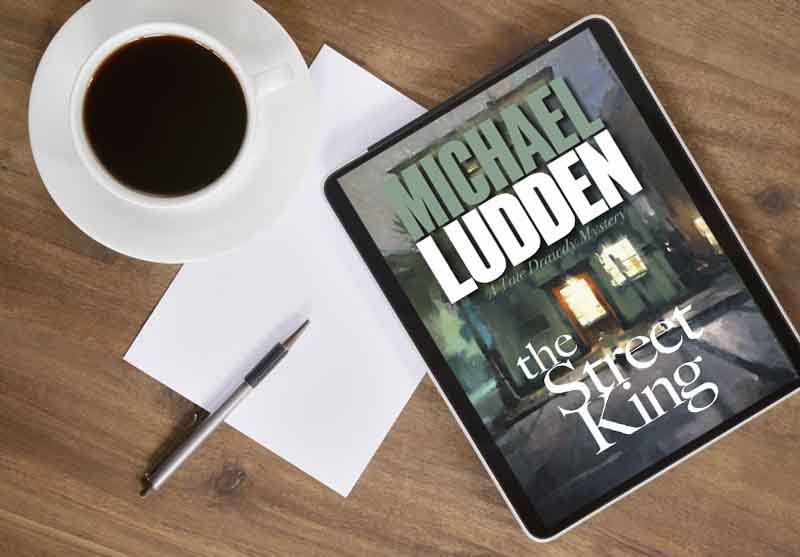
With a propulsive pace, this Savannah, Georgia police procedural delivers a compelling plot and an unlikely duo of cops who will steal your attention and (possibly) your heart.
Tate Drawdy is a homicide detective in Savannah, Georgia, by way of Princeton and a wealthy Atlanta family. His background has earned him a few rivals in the police department but his abilities as an investigator have won him both friends and a well-deserved reputation as a good cop.

Savannah, GA skyline. Photo by Tyler Edic on Unsplash
One of those friends is Char Pinckney, a fiercely independent woman confined to a wheelchair after being shot in the line of duty. She’s still a cop, however, working with juvenile offenders.
Tate and Char’s points of view predominate but villains move the story as well, making for a interesting mix of voices.
The book takes off like a rocket when a local forklift driver indulges in his side gig of robbing empty houses. Only this time someone is home and murdered in a swift confrontation. The robber-turned-killer discovers not only the cash he came for, but that the late homeowner ran a sex club for swingers. Stealing the club’s record book, the killer begins to blackmail the club members.
As Tate investigates the homeowner’s murder, he happens upon a daylight abduction of a girl. He’ll save her but kill one of her assailants in the process, leading to a trial. Was Tate set up? The roiling drama over the event is an unwelcome distraction, especially when Tate’s father has a heart attack from the stress.
Meanwhile, blackmail of the sex club members doesn’t go as smoothly as planned. Spoiler alert: house robber to blackmailer isn’t a successful career progression.
The urgent and artfully spare writing style really sets THE STREET KING apart from the usual police procedural novel. Each unnumbered chapter starts with a brief sentence giving the setting, much the same as reading a play that notes the setting of each scene.
Plenty of suspense and action means you become attached to the unfolding story very swiftly, barely able to catch a breath before the next chapter has you desperately flipping pages.
The relentless pace delivers a white-knuckle finale, too.
In short, you won’t be able to put down this action-filled police procedural.
Find THE STREET KING on Amazon

Jun 8, 2024 | #authorlife, #truestory
I rarely discuss hot potato topics, but this week it became painfully clear that the CIA I joined in 1985 is not the CIA of today.
the nonpartisan rule
I entered on duty the day after Ronald Reagan’s second inauguration. At that time, it was made crystal clear to me that the CIA was staunchly apolitical and any deviation from that standard was an ethics violation. As far as I knew, this expectation covered all employees and was non-negotiable.
My mother once asked what people were saying at work about an upcoming US presidential election. I replied that no one ever talked about domestic politics. The CIA mission is external to the US and that’s where our attention was. We talked about elections around the world—Russia, Ethiopia, Papua New Guinea, anywhere voting takes place. But never the US.
It didn’t matter. Our national security mission was unaffected by US politics.
first crack in the dike
I still remember the collective discomfort in 2008 when an officer came into a meeting with a big Hilary Clinton button pinned to her purse. How could this officer be so clueless? It didn’t matter who the officer supported. Overt displays of political support were persona non grata.
The lapse was especially concerning to me because I’d spent so much time in Mexico where the intel services legally sway with the wind. It’s normal for the country’s intel apparatus to be used to target domestic political figures and/or parties.
51 letter-signing rule breakers
So imagine my shock when on the eve of the 2020 US presidential election, 51 former senior intel officers, including some I knew and worked for, signed a public letter suggesting that a laptop reportedly belonging to Hunter Biden, son of the then-candidate for president Joe Biden, was a Russian operation to discredit the Bidens.
Couched in the careful language of an intel report, the letter noted that the laptop “has the classic earmarks of a Russian information operation” and that “We do not know if the emails . . . are genuine or not.”
According to the Politico story below, Former DCIA John Brennan’s aide carried the doubtful letter to the news outlet.
what happened next
Many of you probably know the rest of the story.
Politico used a clickbait headline that went viral: Hunter Biden story is Russian disinfo, dozens of former intel officials say. https://www.politico.com/news/2020/10/19/hunter-biden-story-russian-disinfo-430276
The letter became the authoritative view, used to substantiate subsequent reporting of the laptop as a Russian hoax. The experts said so!
The fallout ranged from social media censorship to legal action.
Some time later, it came out that the CIA’s Prepublication Classification Review Board assisted in recruiting at least one signatory. https://nypost.com/2023/05/09/cia-fast-tracked-letter-that-falsely-suggested-hunter-biden-laptop-was-russia-op/
In 2023, former acting director Mike Morell testified to the House Judiciary Committee that he wanted the letter approved by the board in time to be released before a presidential debate to give Biden a boost. https://www.newsweek.com/biden-team-sparked-effort-kill-hunter-laptop-story-ex-cia-boss-1795950
exhibit no. 16
Almost 4 years later, Hunter Biden is on trial in Delaware for falsifying information on an application to purchase a handgun. His much ballyhooed laptop is Exhibit No. 16.
FBI agent Erika Jensen testified under oath that “the laptop was obtained by the FBI in 2019 with a subpoena from The Mac Shop in Wilmington.”
From the dates, this was obviously known well before the letter was signed by the 51 former intel officers.
Did any of them know? Doesn’t say much for their intel skills if they didn’t and says everything about their intentions if they did.
Going further, Jensen testified that FBI “investigators corroborated content on the laptop with Hunter’s iCloud that they obtained from Apple with a subpoena.” https://nypost.com/2024/06/04/opinion/hunter-bidens-laptop-from-hell-serving-as-evidence-in-his-trial-is-pure-poetic-justice/
Verifying the laptop’s content as authored by owner Hunter Biden and not introduced into the machine by Russian spies, is egg on the face of all 51 signatories. But their letter did its job as intended. They have nothing to gain by refuting it now.
my take
Morrell and the other former intel officials who signed that letter crossed a longstanding ethics line. They had not examined the laptop nor had any way to assess its provenance.
What they did know was that their reputations would carry weight. They knew their words and the timing would aid a US presidential candidate facing fallout from the salacious content on his son’s computer.
They also knew they were still influential within the CIA and would embolden those who might use an Agency position for political purposes.
Sure, you can argue that they were “former” officials. But being a CIA officer, especially for those who rise to high position, is a lifetime commitment.
Such retirees are forever associated with the Agency. They often get contracts to do work for the CIA. They have security clearances because of their association with the CIA.
By publicly flouting the CIA’s ethical standards and in such a high profile way, the signers of the October 2020 letter opened a Pandora’s Box in the form of political partisanship and activism within the intelligence community.
That’s not the CIA I knew. I mourn its passing.
Jun 4, 2024 | #authorlife, #newsroom, #truestory
You saw it here first. I’m finally writing a spy thriller.
Well, part of one.
Spy-sourced thriller
I’ve been invited to contribute a chapter to a spy thriller that tackles Havana Syndrome. Different chapters will be written by former CIA officers, many of whom like me have overseas experience.
The working title is MOSCOW SYNDROME.
I’ll write Chapter 2, which will introduce Celine Macy, a savvy female operations officer. She gets a critical scrap of information as reports of Havana Syndrome start rolling in.
Tackling Havana Syndrome
In case you aren’t familiar with the term Havana Syndrome, it’s a brain injury with an unknown cause experienced first by US intel officers in Havana, Cuba in 2016, then by US and Canadian officials in numerous locations including inside the US.
By 2021 there were around 200 victims. They experienced a variety of lingering symptoms, including dizziness, nausea, vision and hearing difficulties, memory loss, and headaches.
According to a Harvard report, “Many said they felt something pressing or vibrating around them or heard noises just before the symptoms appeared, leading some to suspect they had been exposed to a high-intensity burst of energy or sound waves.” https://news.harvard.edu/gazette/story/2021/10/havana-syndrome-sees-uptick-in-cases-concerns-and-questions/
Medecinenet.com gives a good overview of the phenomenon:
Havana syndrome is a series of debilitating symptoms that first affected U.S. intelligence officers and embassy staffers stationed in Havana, Cuba, in late 2016. In the following year, American diplomats in different parts of the world reported similar symptoms.”
Researchers investigating the condition have stated that Havana syndrome, which was initially dismissed as mass hysteria or a reaction caused by psychosomatic causes such as stress, may be a result of microwave weaponry. Symptoms are similar to those of a concussion or mild head injury and have mostly been reported by diplomats, intelligence officers, military personnel, and their family members deployed on foreign soil. https://www.medicinenet.com/what_is_havana_syndrome/article.htm
What’s going on?
In February 2022, a panel of US intel experts concluded that “a high-tech device shooting pulsed electromagnetic energy or ultrasound waves could be causing at least some of the cases of “Havana Syndrome,” the battery of mysterious and debilitating medical symptoms sickening U.S. spies and diplomats working overseas.The finding, made by a panel of intelligence community experts, is consistent with at least one hypothesis given by U.S. officials in recent years that Russia, China or some other nation-state adversary is targeting unwitting Americans with some kind of weapon.” https://www.usatoday.com/story/news/world/2022/02/02/us-spies-likely-targeted-energy-waves-some-havana-syndrome-cases/9317517002/
Dr. David Relman of Stanford University noted in 2022 that his study “Found what we thought [was] clear evidence of an injury to the auditory and vestibular system of the brain. Everything starting with the inner ear where humans perceive sound and sense balance, and then translate those perceptions into brain electrical signals . . . directed pulsed (radio frequency) energy…appears to be the most plausible mechanism…” https://www.cbsnews.com/news/havana-syndrome-culprit-investigation-new-evidence-60-minutes-transcript/
By March 2023, however, “five different intelligence agencies, including the CIA and FBI, concluded that ‘Havana Syndrome’ was a myth—an imaginary condition consisting of an array of pre-existing health conditions and anxiety reactions—and was not caused by a secret weapon or an inadvertent exposure of an energy source from a foreign adversary.” https://www.psychologytoday.com/us/blog/its-catching/202303/dont-be-misled-by-the-new-havana-syndrome-claims
As recently reported by CNN. the official conclusion is that there is no credible evidence that a foreign adversary has a weapon that targeted the victims. Brain scans of victims show few abnormalities as compared to a control group. https://www.cnn.com/2024/03/18/health/havana-syndrome-studies/index.html
Government cover up or a strange mass psychological event?
What the victims say
The Harvard article includes a first-hand account from Marc Polymeropoulos, counterterrorism specialist and the former deputy chief of operations for Europe and Eurasia. In 2017 he was on a trip to Moscow when he woke up in the hotel with the room spinning, his ears ringing and with a blinding headache. He lost his long-distance vision and had a host of other issues that eventually led him to be diagnosed with traumatic brain injury.
Another victim is an FBI agent who was at home in Florida in 2021 when she was hit by a crippling shockwave effect. As recounted to CBS, “And bam, inside my right ear, it was like a dentist drilling on steroids. That feeling when it gets too close to your eardrum? It’s like that, you know, times ten. It was like a high pitched, metallic drilling noise, and it knocked me forward at, like, a 45 degree angle.”
At the same time, the battery in her cell phone swelled, bursting the phone case.
CBS documented numerous victims’ experiences. Intense ear pain was the most common inciting event, followed by disorientation and the persistently debilitating symptoms listed above.
Who is behind it?
Interestingly, like Polymeropoulos and the FBI agents, many of the victims have some connection to Russia. Just a few months ago, Greg Edgreen, a now-retired Army lieutenant colonel who ran the Pentagon investigation told CBS’s 60 Minutes program that “Consistently there was a Russia nexus. There was some angle where they had worked against Russia, focused on Russia, and done extremely well.” https://www.cbsnews.com/news/havana-syndrome-russia-evidence-60-minutes/
A joint investigation by media outlets The Insider, Der Spiegel and 60 Minutes raised the notion of an elite Russian military unit being responsible. “The fresh media investigation alleges that members of a specific Russian military intelligence unit – known as 29155 – may have targeted the brains of US diplomats with “directed energy” weapons.It says there is evidence that places members of the unit in cities around the world at times when US personnel reported incidents.The secretive unit undertakes foreign operations and has been linked to incidents including the attempted poisoning in the UK in 2018 of Sergei Skripal, a former Russian spy. As part of the investigation, The Insider – a Russia-focused site – reported that an officer in the 29155 unit had been rewarded for their work related to the development of “non-lethal acoustic weapons”. https://www.bbc.com/news/world-us-canada-68706317
Fiction time
Now it’s up to this band of former CIA officers to put together an espionage thriller based on what we know about Havana Syndrome. We’ll create a cast of characters, from victims to truth seekers to villains.
Will we stumble on the truth as we go?
Maybe, but the odds are that we’ll never know.
May 28, 2024 | #authorlife
“Come back in 15 minutes.”
When we lived in Mexico, I hated this phrase.
The words weren’t meant to be taken literally. Nothing would change in 15 minutes and everyone knew it.
No, it was a semi-polite brush-off. It really means “Go away. Get out of my face.”
The most frustrating time I was ever on the receiving end of the phrase became a pivotal scene in THE HIDDEN LIGHT OF MEXICO CITY. Our heroine, Luz de Maria is standing in line to cash a check—payment for a painting she’s sold–when an obviously wealthy man cuts into line ahead of her. When she expresses her chagrin, the bank teller retaliates by invalidating her check. Luz de Maria is sent off with “Come back in 15 minutes” ringing in her ears.
This actually happened to me in a bank in Mexico City. Not the part about the painting, but all the rest.
15 minute mods
When I was in high school, the day was organized into 15 minute modules or “mods” as we all called it. Three mods for physics class, two for French, and so on. Those of us with a random mod between classes could hang out in the library and watch a certain senior with advanced ventriloquism skills trick Sister Rose into thinking she was being called to the principal’s office over the intercom.
The schedule sounds chaotic but it worked. Years later as a mechanical engineer, my cousin Celine told me that she still thought of time management as maximizing 15 minute increments.
Before there were mods
In THE PIONEERS, Pulitzer Prize-winning historian David McCullough introduces us to Samuel Hildreth, who set up a medical practice in the frontier town of Marietta, Ohio in 1808. Over his long lifetime, Dr. Hildreth was an accomplished writer, naturalist, artist, historian, politician and anthropologist, all while practicing medicine in a rugged rural environment that he traversed on horseback.
As McCullough records, “Asked how it was that he could do so much and accomplish so much, [Hildreth] said, “I’ve learned to use every one of all the odds and ends of time.”
The mod challenge
I know that I have “odds and ends of time” every day and I bet you do, too. Most of them are at least 15 minutes—one mod—long. Right now that time literally slips through my fingers as I mindlessly scroll social media or check news headlines on my phone.
Sometimes I use a note-taking app to capture ideas, but not often enough. I should use the extra time to edit or even outline a scene.
The challenge to both you and me is to find hidden 15 minute mods during our day and do something that feels like progress during that time. Organize the junk drawer, scribble a snippet of dialogue, make a stress-relieving list, edit two pages, sketch a picture.
You can crush this challenge. Don’t aim to make a masterpiece, but to use an otherwise lost chunk of time to create accomplishment.
If anyone asks what you’re doing just say, “I’ll be back in 15 minutes.”


May 1, 2024 | #reviews
Clear your schedule! Coming at you fast and low is a top-notch espionage military thriller with an eye-opening lesson in how China projects power around the world today.
Don Riley is the Deputy Director of Operations (DDO) at the CIA, in charge of all HUMINT operations. The DO is also the entity tasked with covert operations, which means that the role of the US government is not “apparent or acknowledged publicly.” Covert operations are only authorized by a Presidential Finding, which outlines scope and purpose. (true)
Don’s eye is on the former Soviet “stans” in Central Asia where China is completing a railroad as part of the huge infrastructure project known as the Belt and Road initiative.
The project is rocked by terror attacks, supposedly from a home-grown group. In Beijing, a military hero is tapped for a new assignment: Get the railroad finished on time or else.
Meanwhile, the new Russian president is shut out of economic exchanges with Central Asian leaders, one of Don’s officers is combing the region for a missing US contractor, and a charismatic doctor is becoming the face of a new Central Asia cultural unity movement.
Basically, he’s the Ghandi of the stans, boosted by a female journalist who sees a big story as well as a potential love interest.
Believing the doctor can be an effective counterweight to Chinese influence, a Presidential Finding establishes a covert operation to support him. The job falls to Don, who finds it almost too easy . . .
There are many moving parts and a full score of characters. But you never get confused because Bruns and Olson have a knack of telling a character’s backstory in a very short amount of literary real estate and making it unforgettable, too. The prose is crisp, fast-moving and despite the complexity, the storyline is easy to follow.
COVERT ACTION is Book 5 in the Command and Control series by Bruns and Olson but reads like a standalone.
Highly recommended.
P.S. I’m starting to think that Bruns and Olson are a bellwether of sorts. Their fiction is a harbinger of real developments in the military/espionage/global conflict space.
For example, they described smart drones on the battlefield before those infernal devices became news stories. Now they give us China’s influential construction projects in not-so-sexy parts of the world. Expect to see Belt and Road issues in the news starting . . . soon.
Apr 18, 2024 | #reviews
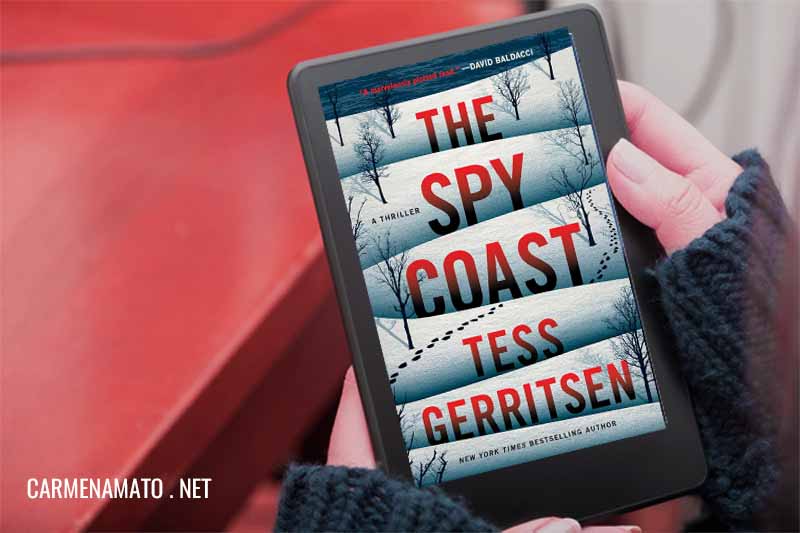
THE SPY COAST by Tess Gerritsen
This excellent thriller, with a cast of characters to root for and deft plotting, is one in a recent string of bestsellers built on the trope of retired spies called back into action because of an operation in the distant past that went sideways and must finally be put to rest in the present time.
Like SLOUGH HOUSE by Mick Herron and A LEGACY OF SPIES by John Le Carré to name the most well known, THE SPY COAST offers multiple points of view and timelines, as well as a hefty helping of authentic spycraft.
As a retired CIA officer myself, however, I’m happy that these tales are all fiction.
Now retired to Purity, Maine, Maggie Bird was a CIA operations officer who lived a nonofficial cover job as a logistics officer for a shipping company, specializing in textiles. Her off-the-radar life as a chicken farmer is disrupted when a woman appears at her door to ask for help finding a long-ago colleague named Diana Ward.
Maggie adamantly refuses—obviously there is bad blood between her and Diana. Shortly thereafter, the messenger’s dead body is dumped on Maggie’s driveway and a sniper narrowly misses Maggie as she feeds her chickens.
Acting chief of police Jo Thibideau is baffled by both crimes, as well as by the lack of background information on Maggie and her small circle of friends who have dubbed themselves the Martini Club.
Those friends are all Agency retirees, of course, with analytic and research skills and a global network that Jo will never have and there’s a great tug-of-war between the retirees and the cop, similar to the Richard Osmen THURSDAY MURDER CLUB books. Yet the real diamonds in this book are Maggie’s chapters in which she recounts Operation Cyrano, a murky CIA effort to capture a Russian mole inside the highest reaches of the British government by using Maggie’s unwitting husband.
Sixteen years ago, he was a doctor who worked for an upscale medical concierge service. His most important patient was a notorious British gunrunner and money launderer with epilepsy. Maggie’s assignment was to use her husband to gather intel on the man because the Russian mole was a business associate.
Diana Ward was Maggie’s control officer during the operation.
Now someone has stolen the Operation Cyrano files and is going after those involved.
Unlike so many spy novels featuring Russian evildoers, the plot did not take 12 sheets of graph paper charts to understand. The smooth yet brisk writing style made it a true page-turner.
THE SPY COAST is supposedly the start of a new series featuring Maggie and her circle of retired spies. I can’t wait for the next!
Find THE SPY COAST on Amazon

Apr 11, 2024 | #authorlife
Spring has become the season of loss. Four years ago we lost my first cousin Celine. This year we lost Uncle Joe.
My mother’s younger brother, Joseph N. Sestito passed at age 91 after leading a “storied and adventurous life,” as my son so accurately phrased it.
A Catholic priest and a decorated Navy veteran, he inspired the priest in my political thriller, THE HIDDEN LIGHT OF MEXICO CITY, who tells Luz de Maria that he cannot give her absolution if she wishes to commit the same sin all over again.
My grandfather always called him “Sonny,” which led to the character of Sonny Zambrano in the Galliano Club historical fiction series. In REVENGE AT THE GALLIANO CLUB, Sonny recites “The Cask of Amontillado” for a speaking contest, the same as my uncle did in the real 1949 Slingerland Speaking Contest. 73 years later, he could still recite Poe’s classic from memory.
Uncle Joe was ordained a priest in 1959. It should have been earlier but, ever the jokester, he was booted out of his first seminary for rolling a bowling ball down the hall of his dorm and hitting a teacher’s door.
After a few years as a parish priest with the Ogdensburg diocese in upstate New York, he joined the US Navy as a chaplain. Uncle Joe served with the Marines in Vietnam, for which he was awarded the Bronze Star with V for valor. Among other duty stations, he served in the Aleutians and aboard the nuclear-powered USS Bainbridge.
After retiring, he resumed parish duties in upstate New York and jumped into high-end woodworking. We all have furniture, lamps and trays that he made. Everything is finished in the same mid-tone stain with quirks reflecting the maker’s impatience. For example, my gorgeous reeded buffet lamps have plugs but no switches.
Uncle Joe was a never-ending font of genuinely funny jokes, magic tricks, and tall tales. His vocabulary was prodigious, he was annoyed by sloppy diction, and he knew the basics of at least a dozen languages. He played the piano and the saxophone, delivered a mean sermon, and was a terrible driver who named all his cars.
He was the wonderful and funny Uncle Joe to me, my siblings and my cousins, and how rich our lives have been because of him.
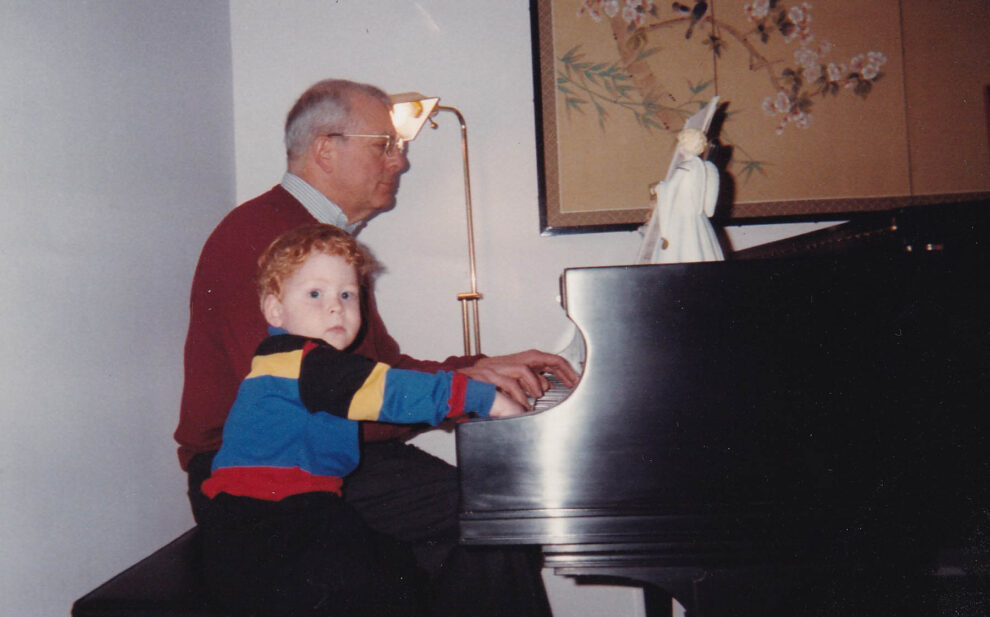
Uncle Joe playing the piano with my son (who is now 31.)

Apr 6, 2024 | #booknews
If you are traveling to Oneida, NY, as I did last month, your choices for places to stay are fairly limited.
- The $$$$$ Turning Stone casino
- Chain hotels like the Hampton Inn
- A bed-and-breakfast situation at the Oneida Community Mansion House.
I chose option #3 because it was closest to the hospital nursing facility where my 95-year-old mother is now a full time resident.
That decision saved my sanity while keeping me on track to finish the WIP
The Oneida Story
Growing up 20 miles away in Rome, I knew that Oneida was the home of Oneida Limited, the silverware manufacturer. The company was famous for flatware, silver plated trays and tea services and of course the iconic Revere bowls.
In upstate New York, a gift of Oneida silver was the norm for every life milestone. Baptisms meant baby loving cups and rattles. Small Revere bowls made perfect hostess gifts. Sets of flatware, salt and pepper shakers, sugar and creamers, trays, and candy bowls were go-to wedding gifts.
I never knew that the manufacturer of these tableware essentials was the direct descendant of an 1800's commune with usual sex practices.
The Oneida Community was a commune started in 1848 by Vermonter and disgraced Protestant pastor John Humphrey Noyes. He claimed to have achieved spiritual perfection and his followers called themselves Perfectionists. The commune rejected traditional marriage and roles for women. Committees were set up to keep things organized and encourage education for all ages.
What really set the commune apart, however, was that men and women were discouraged from pairing off at all. Adults lived separately in small rooms, while children lived in a separate children's dormitory. A program of selective breeding was carried out for about 10 years which produced nearly 60 children. Noyes himself had 13 children by different women--a gallant effort to walk the talk.
Adults worked in the companies that supported the commune. They made traps for animals--at a time when wild animal pelts were in high demand--plus silk thread spun from imported raw silk, and flatware. The factories were so successful that the commune, which never numbered more than 300 people, became one of the biggest employers in the region.
But after 30 years, the locals had had enough of the commune's scandalous practices. Noyes was run out of town. The commune couldn't survive and eventually re-established itself as the joint-stock company Oneida Community Ltd.
The Mansion House
The nucleus of the commune was a sprawling Italianate house. Built in stages between 1861 and 1914, the Oneida Community Mansion House is now a National Historic Landmark. According to the brochure: "The 93,000 square foot, three-story brick structure houses a museum, 35 apartments, 9 guestrooms, a dining room, and a 300-seat theatre called the Big Hall."
The place is so big it has its own mini post office inside a lounge the size of a football field.
My guest room had 20-foot ceilings, a Stickley king-sized bed, a leather wing back chair, original windows, and a huge modern en suite bathroom. I could explore the the museum and exhibits on my own, plus I enjoyed a free guided tour where I got the inside scoop on founder Noyes.
But what drew me every evening after stressful afternoons spent in the hospital's extended care facility with my mother, who in 10 days only recognized me once, was the library.
A private oasis of books
The library at the Mansion House is full of treasures. The main room is lined with shelves painted pale blue and stocked with rare first editions, collections of authors from the turn of the last century, and even a few more modern volumes. A desk or two, comfortably worn upholstered seating, newspapers and magazines invite you to both sit and explore.
Every evening, two huge lamps on the central library table were turned on, their soft glow replacing the bright light from huge skylights that keeps the space full of natural light during the daytime.
I spent all my free time there, coming across incredibly rare first editions of memoirs of polar explorers and Russian novelists, as well as books on music theory, poetry and art, just to name a few. This was a library for serious thinkers, a collection designed to inform and educate rather than to entertain.
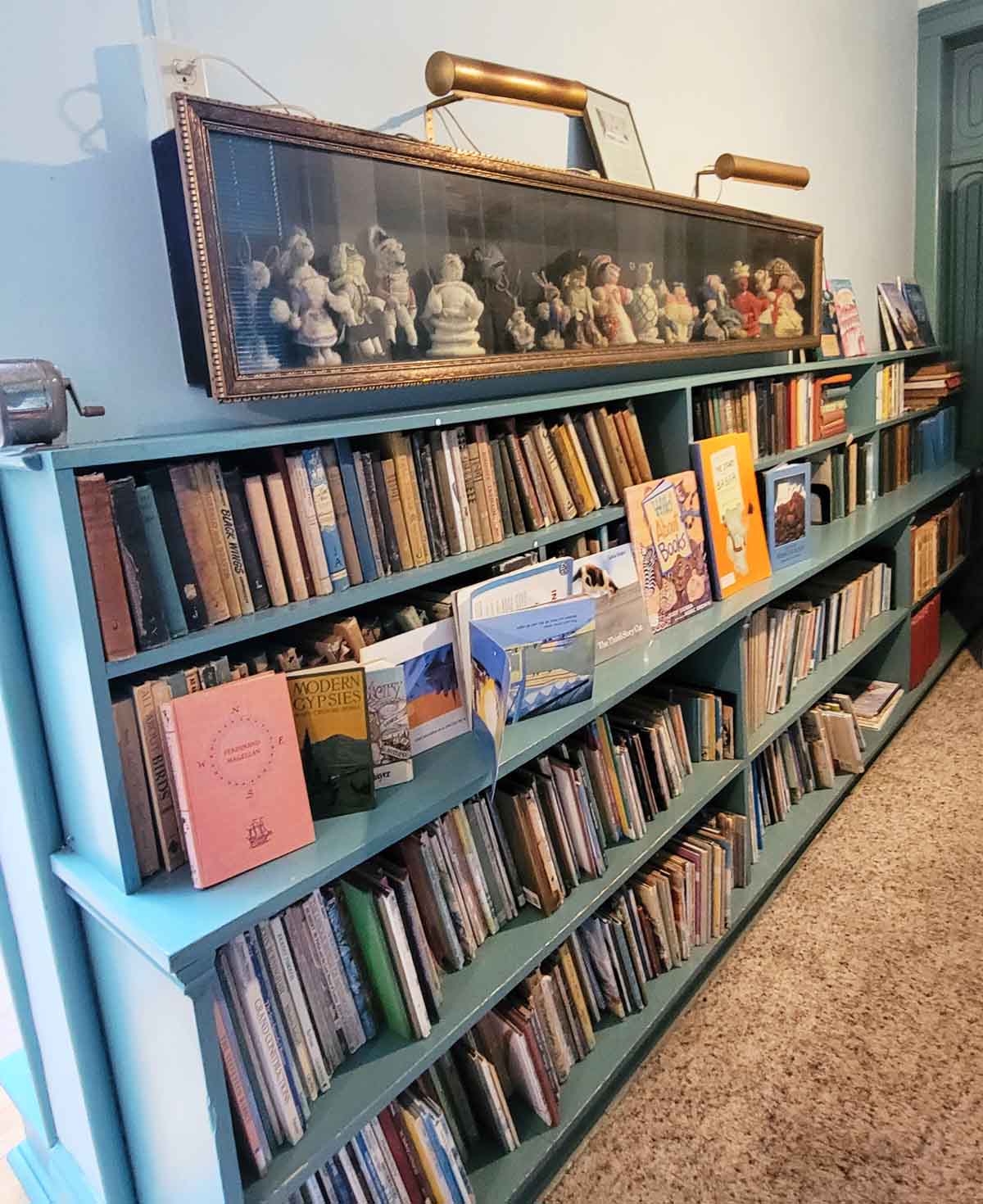
A corridor runs behind this large central library room which is lined with more blue shelves holding children's books, including first editions of books by Louisa May Alcott and her contemporaries.
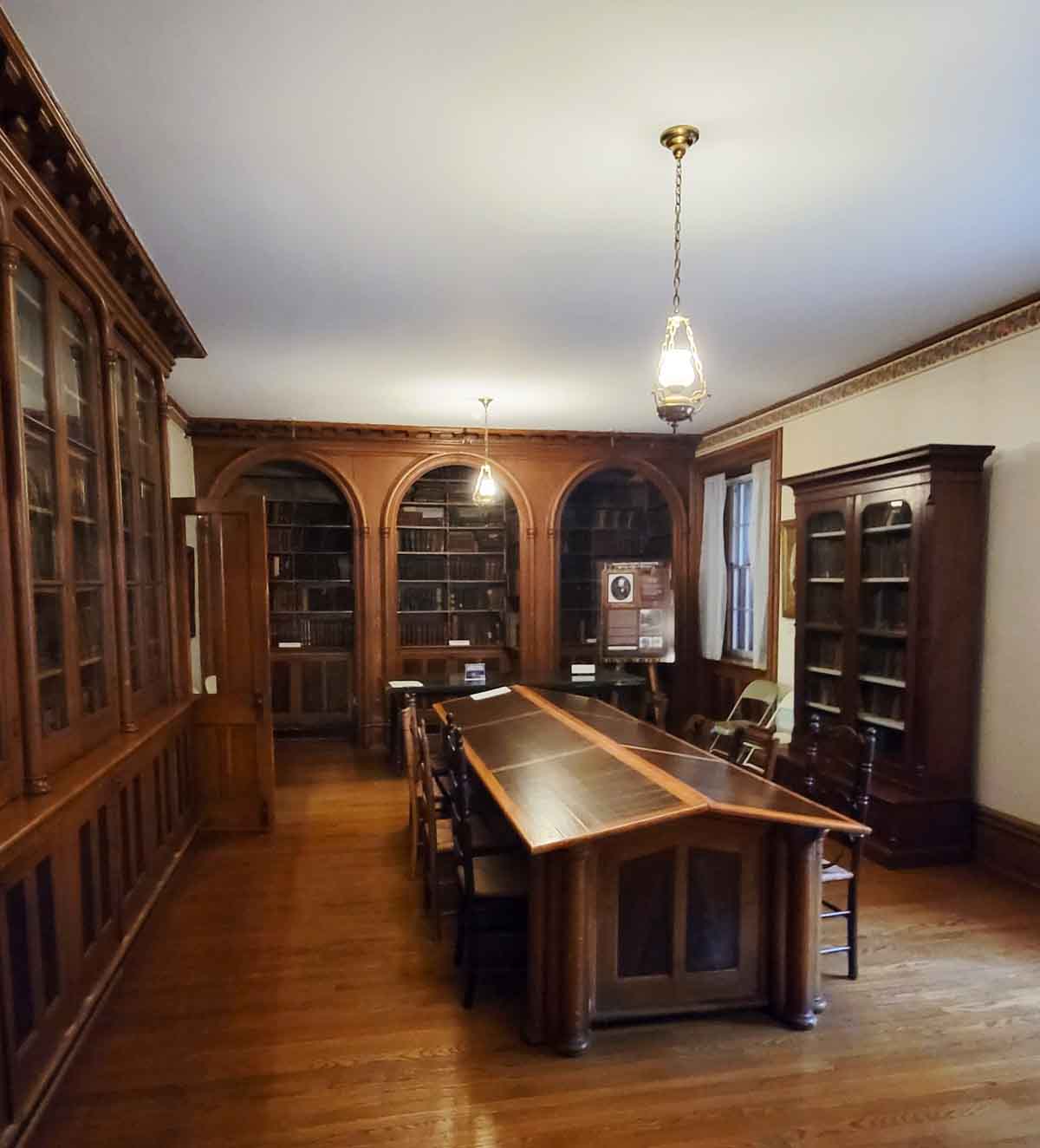
Beyond that is another library that reminded me of the Long Room at Trinity College in Dublin. This was more like a museum than a working library. Stunning wooden bookcases kept some books behind glass, while others were in large, deep niches. The commune's original study table with a double slanted top for easy reading dominated the center of the room.
The gallery
As I said, I spent my free time in the library. In that quiet place, surrounded by rare books, I churned out about 20,000 worth of words, all longhand, seated in a corner next to stacks of atlases.
If you ever have the chance to go to the Oneida Community Mansion House, take it. Take the time to sit in the library and accept its gifts.

The main reading room has huge skylights and blue shelves.
The blue shelves wrap around all 4 walls of the main reading room and are filled with books collected by the Perfectionists.
As a National Historic Landmark, the library's collection continues to grow and there is a full-time librarian.
This series of Tolstoy novels features Cyrillic lettering but was published in the US.
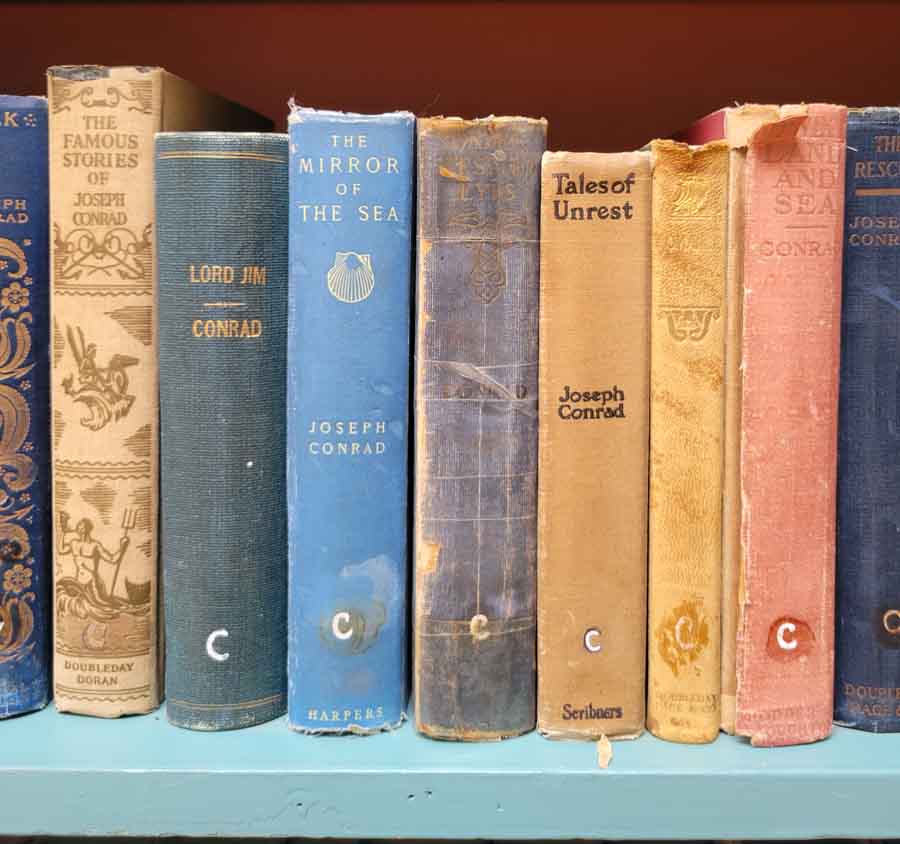
More first editions--The collected works of Joseph Conrad.
The study room features bound periodicals from the late 1800's and early 1900's, plus rare books and the original table used for adult education by the Perfectionists.
Rare books reside behind glass. There's a partial numbering system at the top of some shelves, but no one knew what the Roman numerals represent.
Deep niches are full of bound periodicals and reference books.
The children's section is full of treasures.
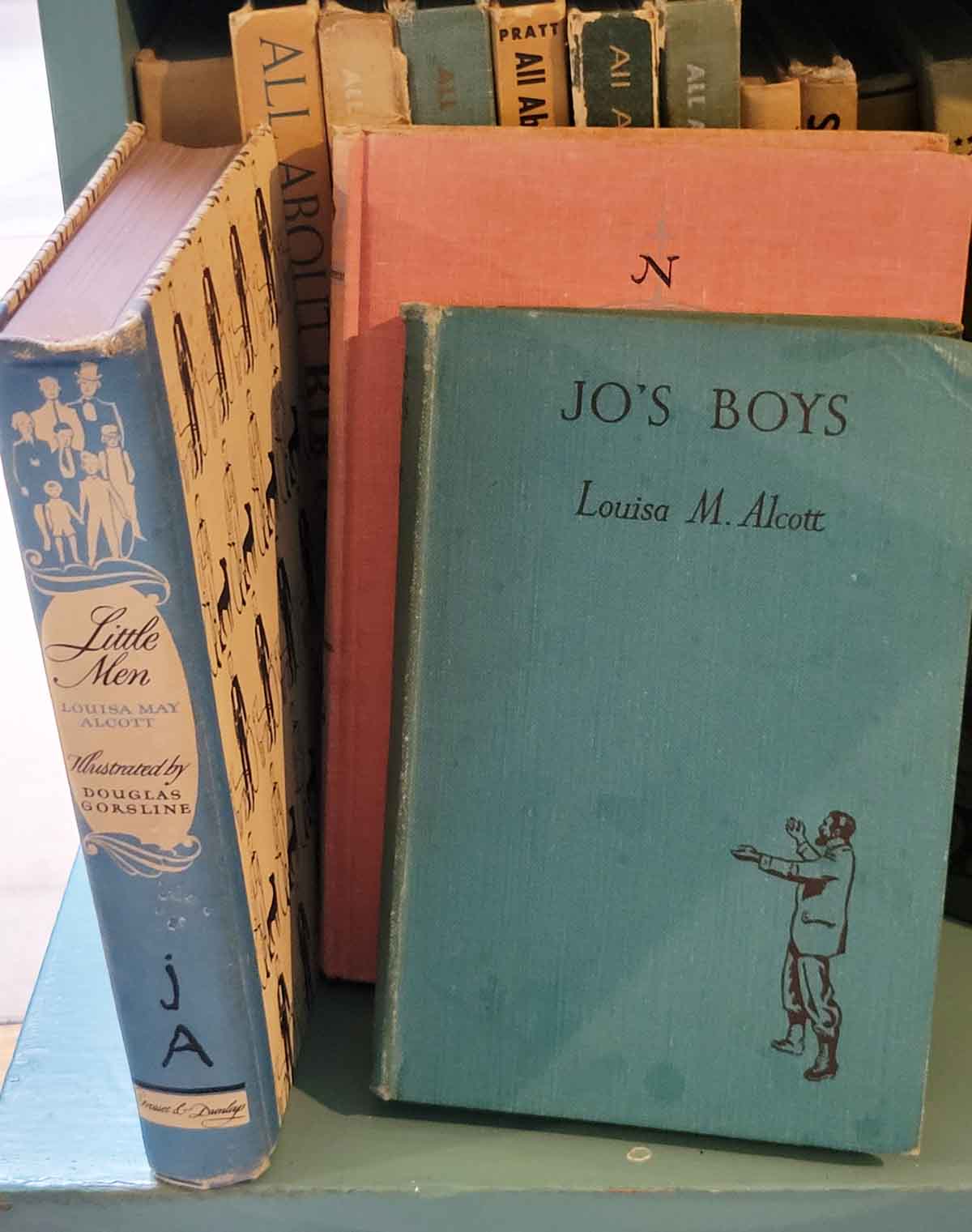
First editions by Louisa May Alcott including Jo's Boys, the sequel to Little Men, which is the sequel to Little Women.