Book Review: Midnight Sun by Jo Nesbo

Book Review: Midnight Sun by Jo Nesbo

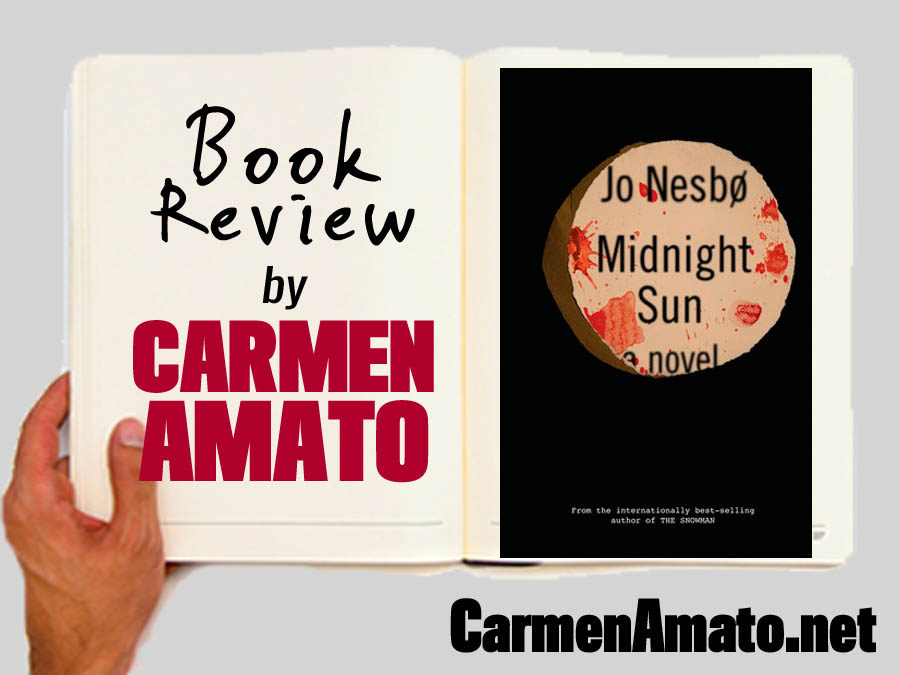
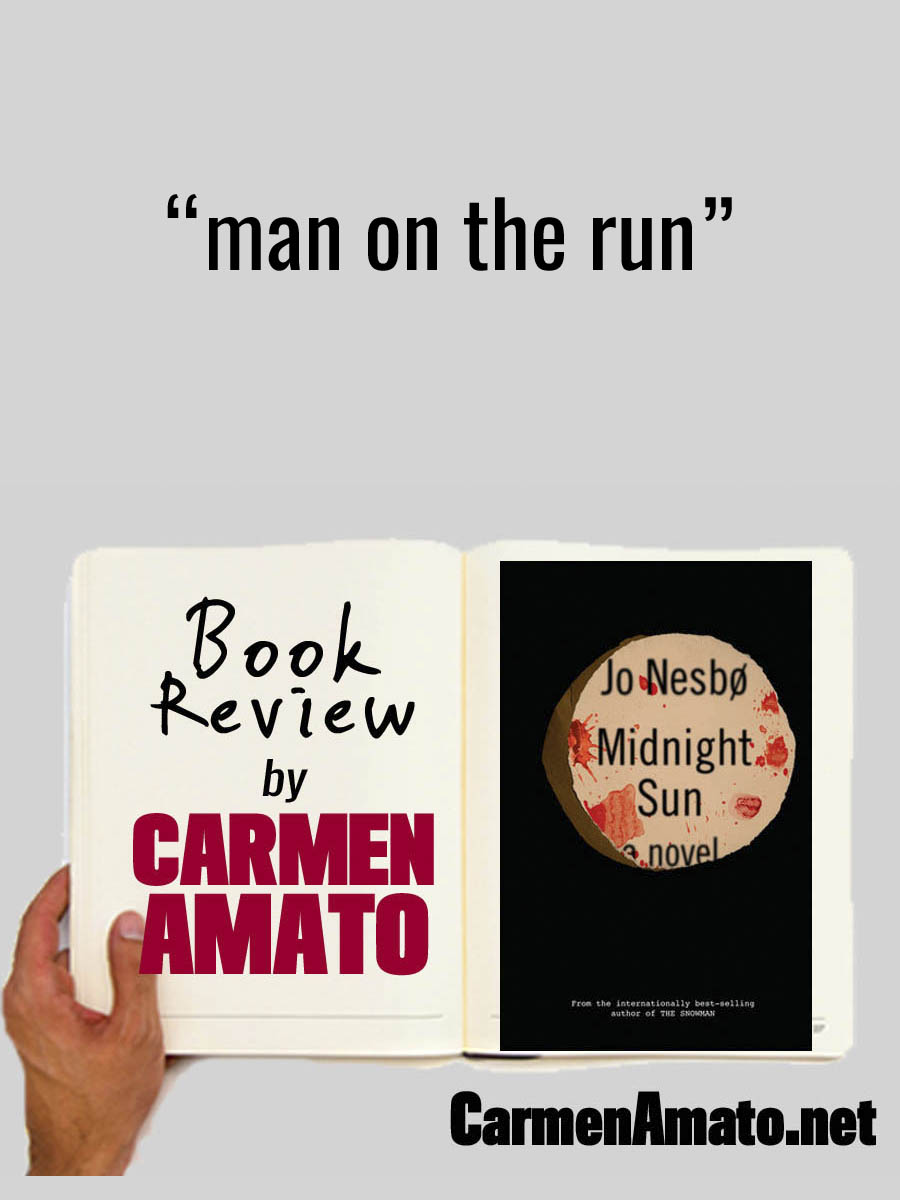
For those mystery lovers who reveled in Jo Nesbo’s Harry Hole series, his new stand-alone novel Midnight Sun will be a bit of a surprise. Midnight Sun is easier on the blood pressure than Harry, with a sympathetic protagonist and the wooded setting of Norway’s  remote Finnmark province, home to Norway’s indigenous Laplanders, also known as the Sami people.

Related: Visiting Norway, Mystery Author Style

Ulf is on the run from an Oslo drug kingpin named The Fisherman and gets off the bus in the Sami village of Kasund. It’s a random choice but a lucky break: Ulf meets Lea and her son Knut who buy his story of coming for the grouse hunting. Ulf is soon installed in a hunting cabin with the rifle of Lea’s late husband, thought to be drowned at sea.

As Ulf considers what to do next, his backstory unfolds. It includes a drug-dealing past, his daughter’s death from leukemia, and his inability to shoot a rival dealer. He’s got a pile of money from the rival dealer, which The Fisherman wants back, and Ulf knows the hunt is on until The Fisherman sees Ulf’s dead body.

Like The Blackhouse by Peter May, I had the feeling that Nesbo wanted to write about a place and people that get little attention. He did so very well, using Ulf as the outsider looking in and sharing his experiences with us. Nesbo serves up great local color: the reindeer scratching its antlers against the cabin, the sun shining at all hours, the Sami’s homemade hooch and 3-day celebrations. Nesbo also gives us a window into a local brand of puritanical Christianity that both helps and hinders Ulf’s situation.

The plot was hugely satisfying, if largely linear and without the heft of the Harry Hole series.  I would have liked more about the remote Finnmark plateau; the harshness of the weather, the psychological impact of 24 hour days so close to the Arctic Circle, the (only hinted at) tension between the Sami people and central government in Oslo.

Verdict: A nicely paced thriller with a unique and absorbing setting.

Jo Nesbo

“Authorize” Advice from Pulitizer Prize Author Richard Ford

Last year, I was lucky enough to attend the  F. Scott Fitzgerald Literary Festival. Pulitzer Prize winning author Richard Ford was guest speaker and winner of the 2015 F. Scott Fitzgerald Award for Outstanding Achievement in American Literature.

Ford is the author of five collections of short stories and eight novels, including the acclaimed Frank Bascombe series. The second novel in the series, Independence Day, won the Pulitzer in 1996

In his acceptance speech at the Fitzgerald festival, Ford was humorous and articulate, with a soft Southern sway to his voice as he described his writing journey from Mississippi to New York.

An author’s discipline

I took notes as he talked. Ford drew laughter several times from his rapt audience, but he had a message about writing that resonated for its gently forceful lesson for authors. Ford said that ordinary human beings can write great books but that it takes great discipline. His exact words were: “A sternness I live with and have learned to enjoy.”

As an example of this, Ford described how before he writes a book, he creates a tabbed binder full of research on characters, location, and events. All this research—which might take more than a year—is needed to get the book’s concept and setting firmly fixed in his head before he writes anything. Validation! I do something similar except that I use an archive box.

Ford also declared that as an author, he “authorizes.” For him, there is no such thing as the characters “taking over” the story. As a writer who writes to an outline, this really resonated with me. Ford also claimed that literature is most interesting “when the villain says something true.” I liked that pronouncement as well and have enough dialogue under my belt to that this type of writing cannot be achieved by letting characters meander “unauthorized” through the story. Bottom line: discipline.

“Sternness” matters because . . .

I pulled out my notes of Ford’s talk when I saw his article on assessing short stories in the 18 April 2016 edition of America magazine. After discussing how and why to define short stories, but cleverly managing to avoid actually doing so, Ford took the reader’s point of view to tell us why an author’s “sternness” matters:

“I like stories that understand they are husbanding my precious attention and need therefore to give me back something important. And I like stories that are up to telling me directly something important about life, something I did not know and in language I can understand.”

Thank you for putting it so perfectly, Mr. Ford!

You, dear readers, are sharing your “precious attention.” I hope that myself and fellow writers offer you valued entertainment–be it humor, excitement, curiosity, joy, or a tingle up the spine–in return.

You may also like

author Richard Ford

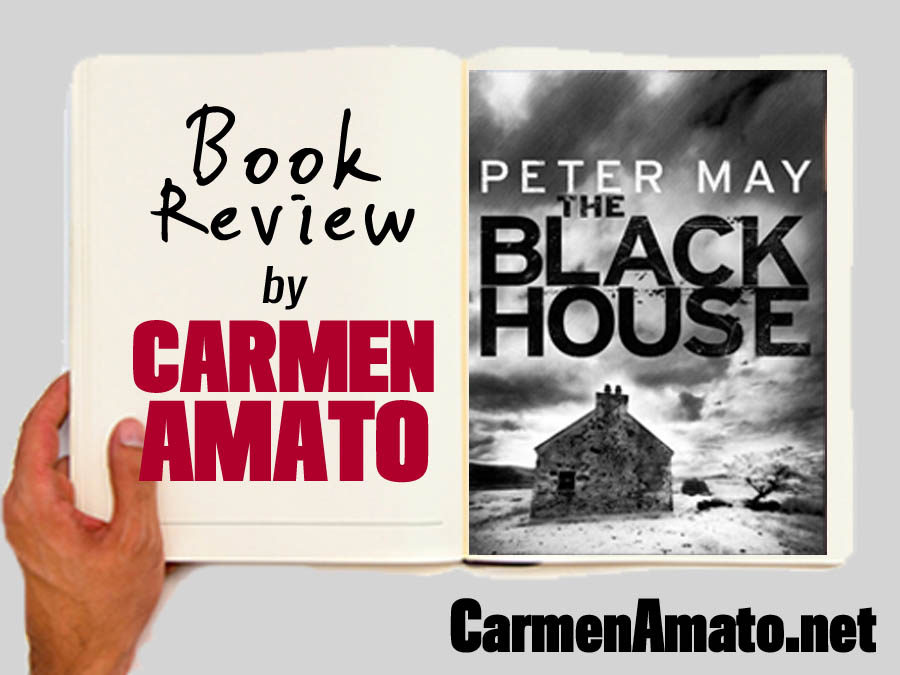
Book Review: The Blackhouse by Peter May

Book Review: The Blackhouse by Peter May

In The Blackhouse by Peter May, the setting is the remote, windy, and rainswept Hebrides islands off Scotland’s western coast. The murder is gruesome and mimics a recent killing in Edinburgh being investigated by police detective Fin McLeod.

Fin’s young son has just been killed by a hit-and-run driver. His lukewarm marriage has fallen apart. So he heads to the Isle of Lewis, where he was born and raised, to vent his grief and see if the two murders are connected.

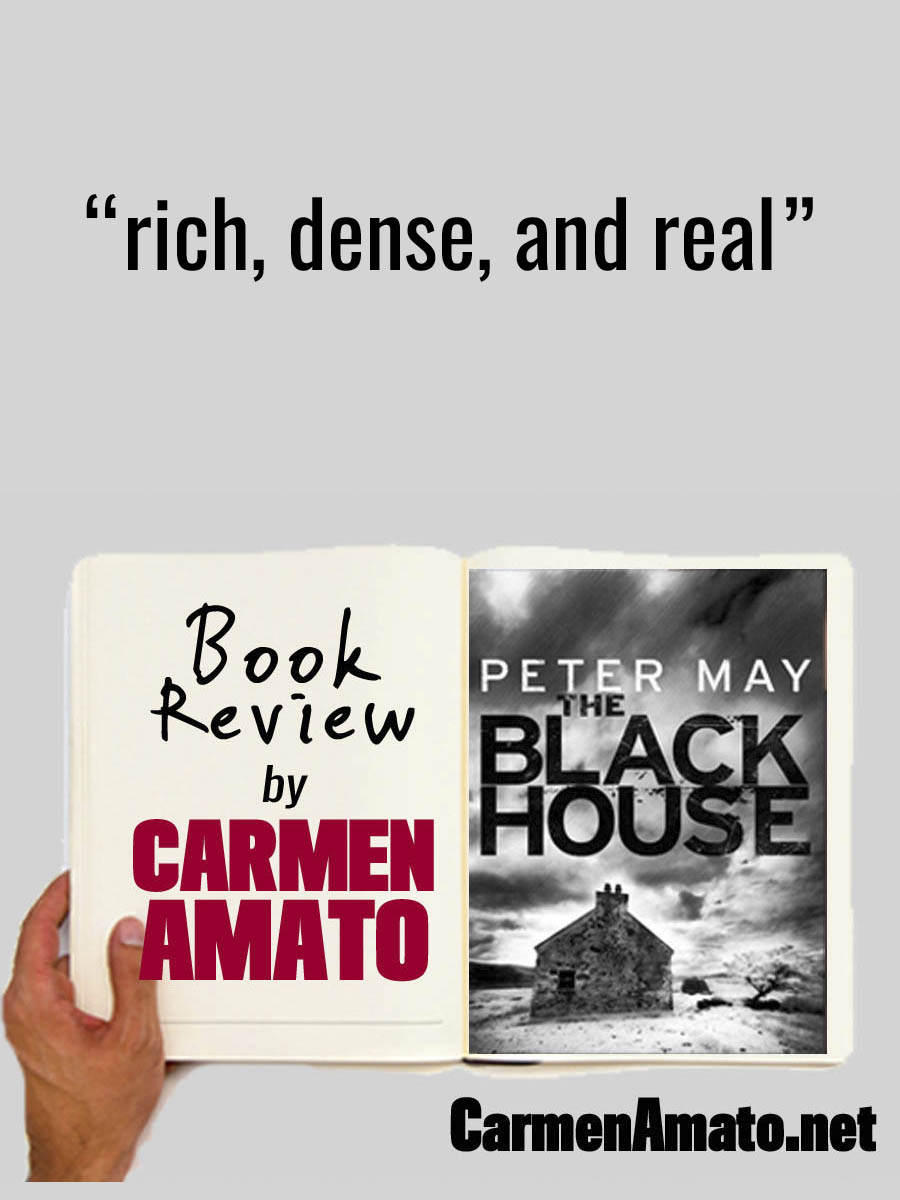
The Blackhouse is rich, dense, and real. More than just a typical whodunit, I got the feeling it was written to illustrate a unique place few have seen and fewer still have truly experienced. Life in the Hebrides is remote and difficult, squeezed between rock and ocean and constantly buffeted by winds which have scoured trees off the land.

The setting is another character, one both capricious and perverse. May often refers to the changing sky, the remorseless wind, and the rage of the ocean and never forgets their impact on a scene. Local customs are rooted in the simple need to survive. Religion is as severe and unforgiving as the wind. Both physical and emotional comforts are luxuries few can afford.

While the setting sets The Blackhouse apart from the majority of tartan noir novels, May also uses flashbacks unlike any mystery author I have read. The book is written in third person, with Fin as the central character. But Fin also narrates many flashbacks of his youth on the Isle of Lewis, which mostly deal with his childhood friend Artair, whose father tutored both of them, and Marsiali, the woman Fin alternately loved and discarded until she finally left him and married Artair.

Fin’s flashbacks don’t come at us in chronological order but are seemingly random (but highly relevant, as we will see) memories prompted by present-day encounters. Fin runs into the unhappily married couple Artair and Marsiali. Artair is now an abusive drunk and his son has gotten a girl pregnant. Donald, another friend, is a clergyman and father of the pregnant girl.

The big climax comes with a hefty dose of local Lewis custom: the annual 12-man trip to a tiny and remote rock in the Atlantic to kill guga sea birds, considered a local delicacy. The custom has been going on since time immemorial and to be included in the guga hunt brotherhood is a rare honor.

It is at this point, we realize what a master storyteller may truly is. He draws all the threads—both from the flashbacks and the present-day murder investigation—into whole cloth as thick and durable as the Harris tweed still woven on the island. The ending is huge and heart-pounding.

The Blackhouse is the first of May’s trilogy about Fin’s return to the Isle of Lewis. All use the flashback device to good effect, although in the second book, The Lewis Man, the flashbacks belong to a man suffering from dementia, which is handled brilliantly. In The Chessmen, we are back to Fin’s flashbacks, most of which deal with his high school days but lack the strength of The Blackhouse’s Artair-Marsiali tension.

May has also collaborated with photographer David Wilson on a small coffee table book of the Hebrides. The book beautifully captures the moody sky and ocean so close to the Arctic Circle and contains excerpts of some of the novels. My one complaint about Hebrides is that occasionally May’s description of the land was on the left facing page and a book excerpt (using a subtly different font) was on the right. The format broke up the continuity of both. But the Hebrides also tells the story of how May, a BBC producer, came to the Hebrides in the first place and their impact on his life.

Verdict: Read these books. Now.

Blackhouse

The Importance of a Fatal Flaw

The Importance of a Fatal Flaw

Mysteries are all about complicated people solving complicated plots. We love characters with issues—even a Fatal Flaw–that make them vulnerable and real.  It’s why Spenser has his Code, why John Rebus hangs out in the Oxford Bar, why a 1000-year-old spirit lives inside Dr. Siri Paiboun.

Related: Book Review: The Coroner’s Lunch by Colin Cotterill

My favorite flaw

One of the best examples of a hero with a Fatal Flaw is the Harry Hole series by Norwegian author Jo Nesbo. Harry is a brilliant Oslo cop with addiction and alcoholism issues. Sometimes Harry’s drug use and alcoholism are in check, other times they send him into a death spiral. Every time, the reader is pulled into his self-destructive yet brilliant narrative. Will the good times last? Or will this be the disaster that ends Harry’s career/life/relationships?

Acapulco detective Emilia Cruz’s Fatal Flaw is that she’s an accomplished and habitual liar. The talent serves her well, except when it comes to her interpersonal relationships. Unable to commit, and unable to be truthful, her emotional life is often in a tailspin.

Related: Chapter 1, HAT DANCE: An Emilia Cruz Novel

Don’t make this fatal mistake

The trick to writing a character with a Fatal Flaw is making it part of their personality. The character has to be inbued with those traits. The Flaw isn’t a “once and done” thing.

I recently read a mystery novel which opened with the character doing something very much in keeping with the fatal flaw of Promiscuity. “Okay,” I thought. “This is promising.”

But the behavior/trait never came up again. In the rest of the book the character was more reserved, professional, and careful in her relationships.

The good start ended up gratuitous, as if the author threw it in to 1. Hook the reader with some spicy bait, or 2. Tried for a Fatal Flaw and assumed one scene was enough to get the message across. Either way the result was disappointing. The character was cardboard for the rest of the book and the opportunity for a zesty subplot was missed.

Related: Book Review: Cold Service by Robert B. Parker

As I mentioned, Jo Nesbo’s Harry Hole and his addiction issues have topped my Favorite Fatal Flaw chart for a long time. New favorites include Ernesto Mallo’s Inspector Lascano whose dreams of his dead wife invade his waking moments, and Estelle Ryan’s Dr. Genvieve Lenard who is a high functioning autistic savant.

What’s your favorite mystery character with a Fatal Flaw?

You may also like

Importance of a Fatal Flaw for mystery characters

Author to Author with Estelle Ryan

Author to Author with Estelle Ryan

I’ve been reading Estelle Ryan’s Dr. Genevieve Lenard mystery series, starting with THE GAUGUIN CONNECTION. The series is a fresh take on the usual whodunit, both in terms of style and characters. I’m delighted to host Estelle today for a short chat.

Carmen Amato: Estelle, your absolutely compelling mystery series featuring Dr. Genevieve Lenard now spans 9 novels. Dr. Lenard is a self-described “non-neurotypical” personality with touches of Asperger’s Syndrome and Obsessive Compulsive Disorder in her makeup, all of which both help and hinder her efforts to solve crimes that incorporate an art element. Between the complexity of the character and the mysteries solved, how do you maintain continuity across the series while also keeping things fresh?

Estelle Ryan booksEstelle Ryan: Firstly, thank you so much for having me and also for your kind words. When I developed the series, I spent a lot of time getting to know my characters before I even wrote the first book. I wrote out comprehensive personality and professional profiles on each of them. No matter what crazy crime challenge gets thrown their way or how much each of them grow throughout the series, at their core they’re still true to their personalities. Plot points are easy and hard to find. Technology evolves at such an alarming rate, it’s not difficult to find new things to include in the mysteries. The difficult part comes in avoiding the very strong temptation of repeating the progression of a mystery in one of the previous books. But that challenge is fun to take on.

CA: Accompanied by her observations of body language, discussions between a group of characters in Genevieve’s apartment or her work place drive much of the storyline in your books. What are the pros and cons of so much dialogue?

ER: The pros of dialogue-heavy story telling are numerous, one of which is that it is more dynamic. It gives the reader the opportunity to get to know the characters through their speech and not through lengthy descriptions. It is a great way to reveal conflict between characters as well as giving each character a very distinct voice. The cons would be the lack of detailed description. We are venturing into a very subjective topic. Some readers love detailed descriptions of places, emotions, actions, as well as lengthy internal dialogue, where others find that boring and skip over those parts. Both have their place and finding a balance is another challenge for every writer. 

CA: One of the reasons I love your books is that our writing styles are very similar. We both feature strong yet flawed female characters and write from their deep point of view. What is the most difficult thing you have faced writing the character of Dr. Genevieve Lenard?

ER: I wanted the readers to experience the challenges people on the spectrum face every day. I wanted to make Genevieve difficult, but I didn’t want to make her impossible to relate to or unlikable. Striking that balance has been and still is something I pay close attention to. People who don’t know someone on the spectrum might find a character like Genevieve unbelievable and it’s my job to draw them into her world, into her mind in a way they can relate to her – even if it’s only in a small way.

CA: I found Genevieve to be very relatable! Part of what makes her endearing is that she struggles with all the changes in her life, but never loses that well-crafted and unique persona.

Transition is a huge part of a mystery or thriller novel. Change amps up tension and forces characters to adapt in order to keep moving forward. Can you share a significant transition that you experienced or that you wrote for a character?

gauguinER: The catalyst for Genevieve’s most significant growth/transition was when Colin and the other friends entered her life in the first book. She was forced out of her comfort zone of isolation and had to learn to trust and share. Adding the presence of Nikki, the student who elicits very strong protective tendencies in Genevieve also shook her to her core. I think all of us have experienced such events that took us to uncharted emotional territories and forced us to grow and often face our own fears.

CA: Can you leave us with a quote, a place, or a concept from a book that inspired you?

ER: Everything about ‘To Kill a Mockingbird’ touched me. This quote is something I hold dear: “You never really understand a person until you consider things from his point of view … until you climb into his skin and walk around in it.”

Estelle, thank you for stopping by!

If you haven’t read the terrific Dr. Genevieve Lenard series yet, check out Estelle’s website and find the Dr. Genevieve Lenard books on Amazon

You may also like

Estelle Ryan

Book Review: A Death in the Family by Michael Stanley

Book Review: A Death in the Family by Michael Stanley

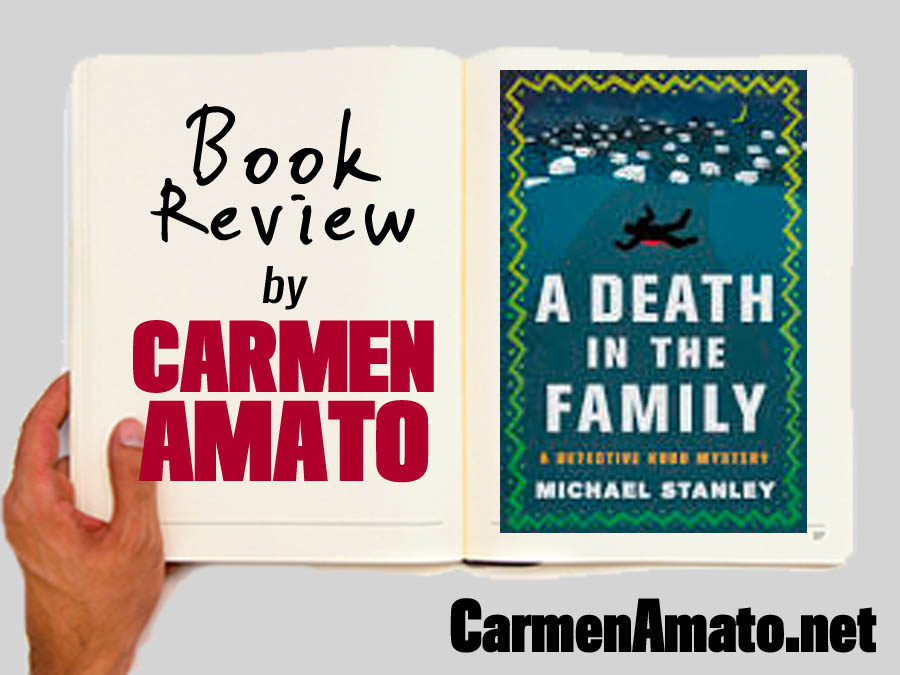
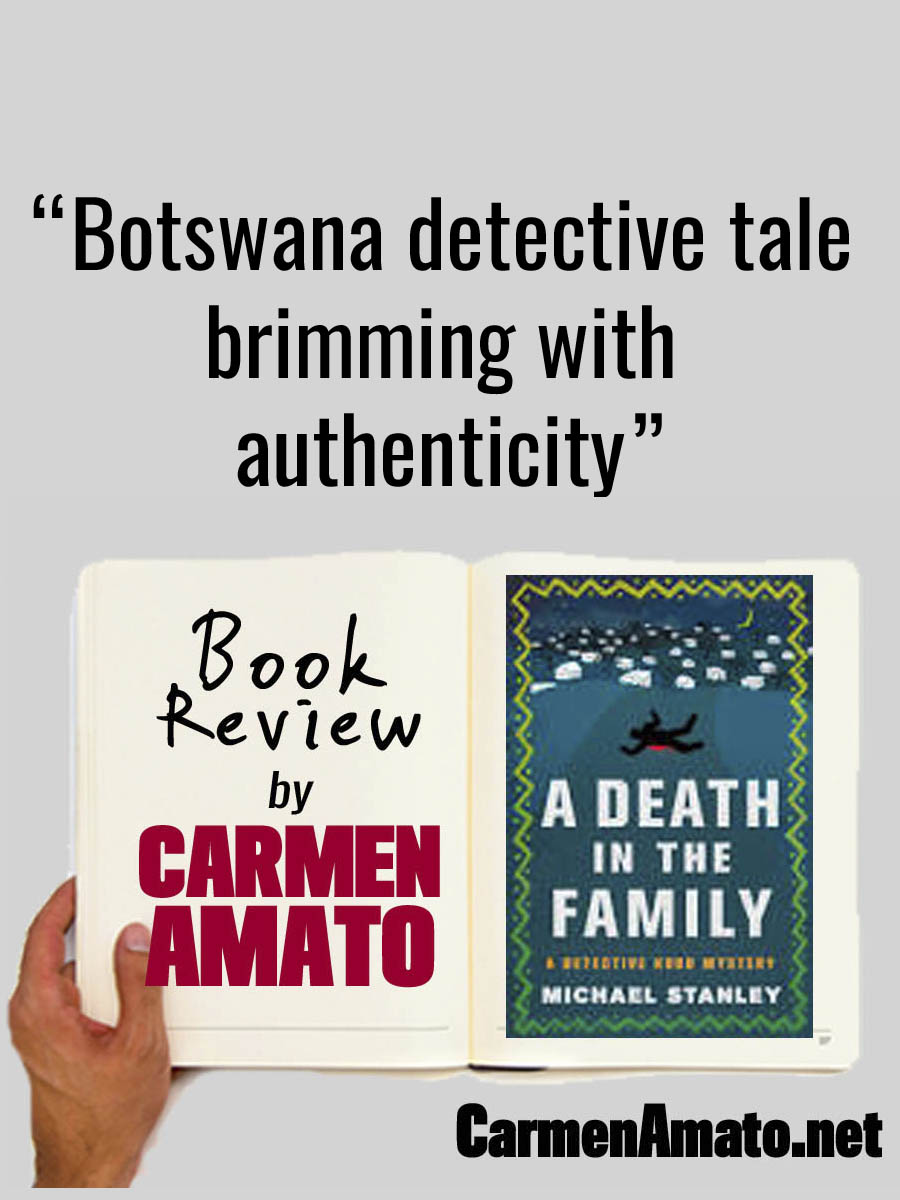
A DEATH IN THE FAMILY by Michael Stanley is a deeply authentic visit to Botswana, hosted by Detective David “Kubu” Bengu of the country’s Criminal Investigation Division. The novel stands alone but if you like international culture wrapped up in a mystery, I recommend all the books in the Detective Kubu mystery series.

Kubu, which means “hippo” in Setswana, Botswana’s native language, is an apt nickname. Alexander McCall Smith, author of the Number 1 Ladies Detective Agency series, perhaps the best known books set in Botswana, would describe Kubu as “traditionally built.” The book even opens with Kubu’s dream of eating an enormous meal.

The murder of Kubu’s father, a traditional healer suffering from Alzheimer’s, shocks everyone. Kubu is shut out of the investigation to keep from prejudicing any future prosecution and is assigned to look into the suicide of a government official dealing with mining licenses. Botswana is a top producer of diamonds and uranium.

With a little help from an American consultant, Kubu realizes that the suicide is really murder. Murky connections lead to a village debate over expansion of a Chinese-run uranium mine. The tribal chief has the final say over the expansion but doesn’t know his son has made a deal with the Chinese. The son gets the young unemployed of the village on his side by plying them with cheap Shake Shake beer in shabeens—the local bars.

The chief announces his decision not to allow the expansion at a town hall event, which erupts in violence. The chief, council members, and police are killed. Election of a new chief is supposed to rotate between five tribes, but the late chief’s son takes advantage of the turmoil to claim the throne and make good on his promise to the Chinese mine mangers.

Meanwhile, to get Kubu out of the way of the investigation into his father’s death, he is sent to New York for an Interpol conference. His trip perfectly captures wintry New York City through the eyes of someone who lives without snow, skyscrapers, crowds, or constant urban abundance. He didn’t want to go to the conference, but it gives him insights needed to break open the mining drama at home. Kubu may be a product of Botswana, a small country, but he knows how to find the wider context.

At times the narrative is a bit slow, Kubu is admonished too many times for sticking his nose into his father’s murder investigation, and I guessed the connection between Kubu’s father and the Chinese mine far earlier than he did. These nits are forgiven because I really admire how the novel, and the entire mystery series, demonstrates the critical issues facing Africa today: unemployment, corruption, violence against women, tension between traditional authority and the laws of the state, and China’s growing investment and influence at the local level. The issues are handed deftly and naturally; they are simply part of Kubu’s landscape.

As a reader, you are caught up in the tension between old and new as you feel the bewilderment of the chief as he attempts to navigate the modern world by relying on tribal customs. You march into the Chinese compound with Kubu, and realize that a fiefdom has been carved out to take and never to give.

A DEATH IN THE FAMILY starts as a murder mystery. But it ends as a snapshot of contemporary Africa that should be mandatory reading by anyone travelling to or studying the continent. Highly recommended.

Book review of Detective Kubu mystery series novel

Puzzles for Mystery Lovers

mystery lovers

You may also like

It’s ironic perhaps, but true. Mystery lovers love a good puzzle.

So I was intrigued when reader Becky A. sent me an email suggesting that the Detective Emilia Cruz covers would make great puzzles on jigidi.com.

I took her advice and now CLIFF DIVER, HAT DANCE, DIABLO NIGHTS, and KING PESO are all online puzzles you can find here. The puzzles increase in difficulty. Will you be the first to finish the KING PESO puzzle with 216 pieces? If you solve it, let me know!

Anne R. Allen’s Essential Tips for New Authors

Anne R. Allen’s Essential Tips for New Authors

Lately, several emerging authors have asked me what to focus on as they start their careers. For a pro opinion, I turned to Anne R. Allen, author of How To Be A Writer In the E-Age. Anne writes the essential blog for today’s writers at http://annerallen.com/. When I asked her for a few tips, she shared this great advice:

1) Concentrate on writing short work (both fiction and personal essays).

Yes, you’ve got that novel or memoir you’re pounding away at, but spend at least half your time on short pieces. Short stories and essays will help you hone your craft and get you published in journals and anthologies. They might even make you some money. Some short story contests have big prizes.

And yes, you can write some of those short personal essays on a blog—either your own or as a guest—which will do amazing things for getting your name out there.

When you finish a short work, it gives you a wonderful feeling of accomplishment, and you can send those out to contests and journals and anthologies. There’s nothing more empowering than getting something in print and putting “published author” after your name.

2) Don’t write in a vacuum.

Take a class, join a critique group, find beta readers or a critique partner. You want to do this fairly early on. Writing in a vacuum can lead to bad habits and unrealistic expectations. Learning to write well is a long, steep learning curve. Don’t stay stuck at the bottom longer than you need to.

3) Read contemporary books in your genre.

If you only read the young adult books from your own youth or you read the regencies or mysteries you loved 20 years ago, you won’t be able to compete in today’s market. What was hot then will be clichéd now.

4) Network with other writers.

There are lots of great online social media groups and forums. (Some are fantastic and others not so much, so run if you see any trollish behavior!)

Blogging is a great way to network with other writers, and there are great blog networks for new writers like the Insecure Writers Support Group.

Simply commenting on well-known writing blogs gets your name into search engines and raises your profile. Get to know people and get known!

Genre groups that welcome both amateurs and professionals can be especially helpful, like RWA, SCBWI, and Sisters in Crime. They usually have online and in-person meetings.

You may be lucky enough to live in a community that has in-person writers clubs that meet at local libraries or bookstores. Network anyplace you find kindred spirits.  But you want to be online too. That’s where you’re going to make your sales and establish your career.

Online networking is a great way hear about agents who are looking for work like yours and to learn from people who are self-publishing and decide if it will work for you. This is where you’re going to find out about the business and learn the latest scams to stay away from (there are always scammers looking to pounce on newbie writers.)

5) Write everything down.

Don’t “talk out” your novel or story. Jot down your ideas—in notebooks, on Evernote, or whatever program works for you to save those thoughts, names, settings, weird stories that you can work into plots. Take it with you everywhere. They will be a goldmine later.

Thank you, Anne!

To learn more about Anne R. Allen and mine her trove of great advice, check out http://annerallen.com/ and her book How To Be A Writer In the E-Age.

You may also like

Anne R. Allen

A lesson in personal growth

A lesson in personal growth

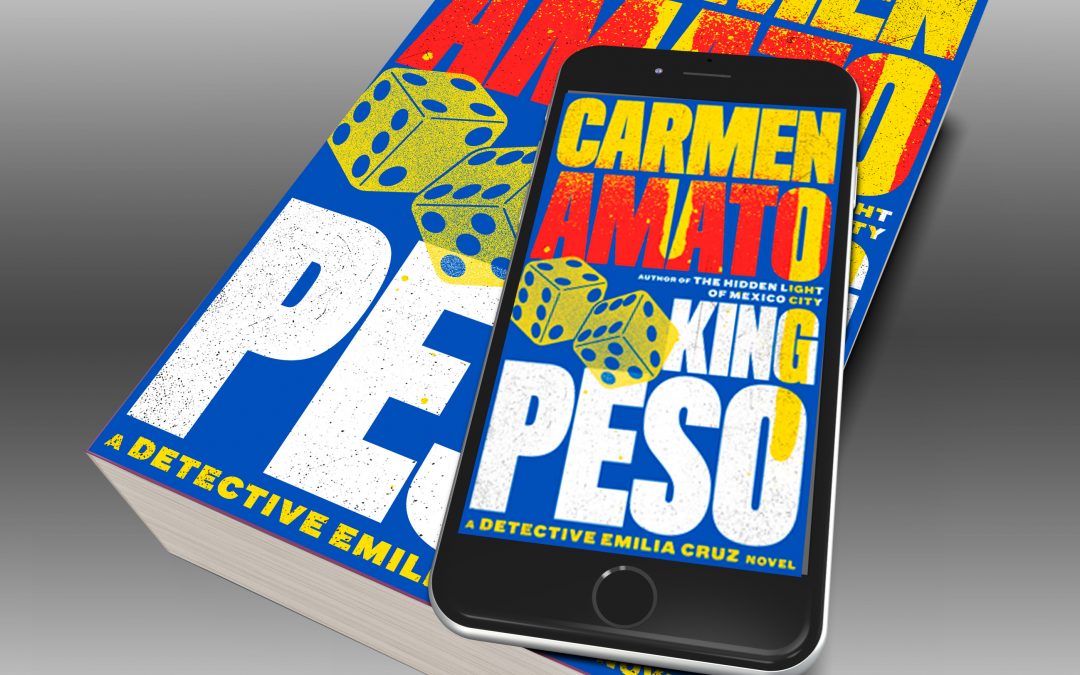
KING PESO, the 4th Detective Emilia Cruz novel, was released on 18 August and the paperback will be released on 30 August. So far the reviews have been positive and sales encouraging.

But as I admitted to fellow thriller author Khaled Talib, I’m feeling very let down.

Long live the KING

Not by the quality of KING PESO or it’s reception by readers, of course. But after having been immersed in the story for months, and sprinting hard for the last three months in particular, typing “el fin” was oddly difficult.

Related: Read the first chapter of KING PESO

Suddenly, there is no more deep focus on the deliciously twisting details of the plot. No more hours at the computer with my favorite thesaurus, the one that weighs 10 lbs from the Eleftheroudakis bookstore in Athens, savoring new ways to describe Detective Emilia Cruz’s dilemmas. No more self-induced pressure to make sure all the dots connect.

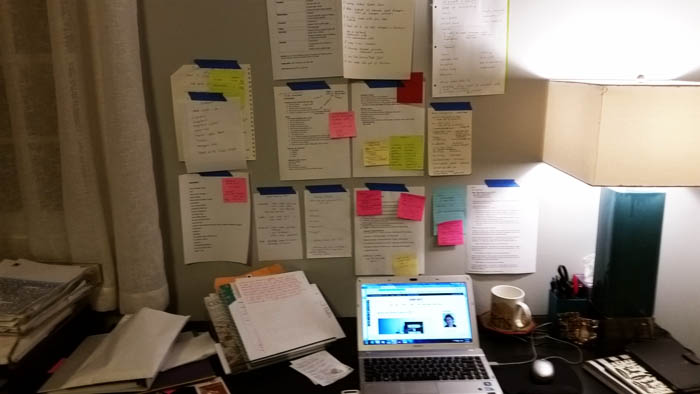
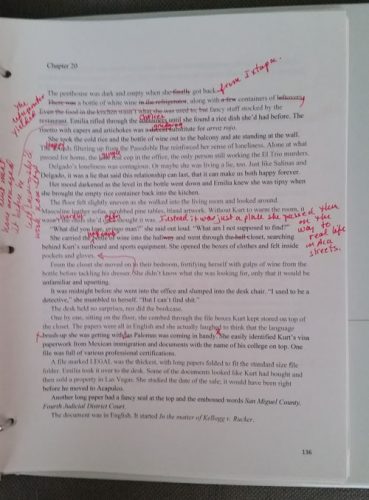
King Peso novel draftNot much is left. The binder with the penultimate draft, the one I marked up with red pen. A dozen sticky notes on the wall above my desk with details I want to change or add. Scraps of paper clipped together representing inspiration while in the grocery store or nearly asleep or in the coffee shop. At least one large spiral notebook filled with scenes written longhand.

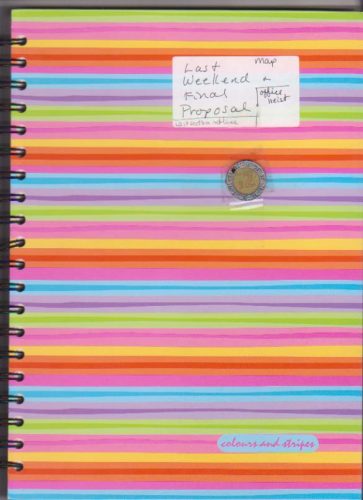
Notebook Carmen AmatoAs an aside, for years I’ve kept all of the spiral notebooks filled with story notes and at present count have 11. I taped peso coins to the front of some of them, a sort of fung shui for authors who write about Mexico. I keep thinking that when I’m astronomically famous, I’ll auction them off for charity. Dream big or go home, right?

But back to my point

Gretchen Rubin, author of THE HAPPINESS PROJECT and HAPPIER AT HOME, lists this as the first “Splendid Truths:”

To be happier, you have to think about feeling good, feeling bad, and feeling right, in an atmosphere of growth.

I read this a few years ago and wow, did it resonate. If I’m not in an atmosphere of growth, I feel let down. Stagnant.

Growth for me is writing. Stretching my mental boundaries. Juggling plot as well as descriptions and characters. Loving the “flow” when things come together and hey, where the heck did the day go?

And so . . .

While I hate endings, beginnings are great. Two more projects lie ahead: the short memoir GIRL MEETS PARIS and PACIFIC REAPER, the 5th Detective Emilia Cruz novel. My accountability buddy and I talked this out last night, and the next 90 days promise much personal growth!

I think everybody has the potential for personal growth. The trick is to recognize what triggers growth for the individual. If we can pursue that thing, our individual “atmosphere of growth” will expand and lift up other parts of our lives.

But what about you? What activity sparks YOUR personal growth?

You may also like

Exclusive! First chapter of KING PESO

Exclusive! First chapter of KING PESO

The countdown to KING PESO is officially on!

The 4th Detective Emilia Cruz novel will be released for Kindle on 18 August and in paperback on 30 August.

While you wait to see just how hot it can get in Acapulco, read the first chapter.

In KING PESO, Acapulco is rocked by the execution-style murders of three law enforcement officers in as many weeks. When her partner Franco Silvio’s wife is killed, it’s obvious to Emilia that the murders are connected and she could be the cop killer’s next target.

She’s gambling on a task force to investigate but Emilia is reassigned instead. Her new police unit is a political time bomb championed by Acapulco’s ambitious mayor and overseen by shady union strongman Victor Obregon Sosa. Home is no refuge for Emilia; hotel manager Kurt Rucker has a shocking secret that could tear their relationship apart.

It’s just another day in paradise, where  Mexican drug cartels battle for control and politicians are bought with blood money. For Emilia, every spin of the wheel could be her last.

Check out the Detective Emilia Cruz series page or get a free copy of the Detective Emilia Cruz Starter Library!

You may also like

Detective Emilia Cruz

Exclusive! First chapter of KING PESO

Countdown to KING PESO, the 4th Detective Emilia Cruz novel

KING PESO, the 4th Detective Emilia Cruz novel, is all about gambling and greed.

The high cost of building family and friends. How easy it is to tear them both apart.

In KING PESO, Emilia is shocked by the murder partner Franco Silvio’s wife, as Acapulco reels from the mysterious executions of 3 law enforcement officers in as many weeks. The entire city wants to find the nfamous El Trio killier. Despite the crisis, the chief of police plucks Emilia out of the detective squadroom and reassigns her to a new patrol unit.

Emilia hates the job and the clueless girl in charge. To make matters worse, shady union strongman Victor Obregon Sosa is involved and even provided the unit with its headquarters building.

A falsified report leads Emilia to moonlight as a detective and conduct her own quiet investigation into the El Trio murders, only to find a police cover-up and a fifth victim whose death can only be a direct message from the killer to her. Meanwhile, Emilia’s ongoing hunt for a missing girl leads to the El Pharaoh casino, a place she and Silvio know all too well . . .

Soon, every move Emilia makes is a gamble and the next spin of the wheel could be her last.

Even as she puts her life on the line to discover the truth, Emilia stumbles upon a shocking secret about hotel manager Kurt Rucker. How could she have been so blind?

You may also like

Author to Author: DV Berkom and Carmen Amato

Author to Author: DV Berkom and Carmen Amato

I love swapping ideas and stories with other mystery authors and this week I had the opportunity to chat with DV Berkom. Her Leine Basso and Kate Jones thrillers have been topping Amazon’s mystery and thriller genre charts of late, possibly because the author is as interesting as her books.

author DV Berkom

Carmen Amato: DV, thanks so much for stopping by. I confess to discovering you as an author when Amazon’s ticker said that people who bought my books also bought yours! As a result, I find myself in very good company.

DV Berkom: I’d have to say the same thing. Your character, Detective Emilia Cruz, is fantastic. Good company, indeed.

CA: You write both the Leine Basso crime thriller series and the Kate Jones adventure thriller series. Juggling two series at once is impressive. How do you maintain continuity? Do you have a process for each series?

DVB: Continuity can be tricky. Unfortunately, I don’t compile story bibles. That would take too much planning. I’ve been writing each character for so long now that I remember most if not all of what I need. It’s like accessing each character’s memories, if that makes sense. If I get stuck, I’ll re-read sections of previous books just to make sure I’m not mis-remembering. A Killing Truth was the trickiest, by far. As a prequel, I had to make sure to adhere to what I’d written before about Leine’s early life, which made things tricky. Especially the ending. I re-read Serial Date and Bad Traffick and then did a search for certain character’s names to refresh my memory about what I’d written. From reader comments and emails, it seems to have worked, thank goodness.

Related: Meet David Bruns, thriller author of JIHADI APPRENTICE and WEAPONS OF MASS DECEPTION

CA: Your main characters are strong, multi-dimensional women. But they aren’t perfect. Where did you look for inspiration when creating these women?

DVB: Perfect characters are {yawn} so boring. I don’t want to invest my precious time reading about someone who can’t do any wrong. How is that compelling? Strong, flawed women are all around us—you just have to look. And let’s face it—nobody’s actually “perfect.” A bit closer to home, my mother is one of the most fearless women I know, as is my sister. I believe that we’ve all got that strength inside us, and I love to tap into the character’s reserves to find out what she’ll fight for and what she won’t. It’s a deep well.

CA: Setting can drive the tone and tempo of a mystery. Tell us about a favorite setting you have used in a novel and why did you choose it.

DVB: Mexico is one of my favorite settings. I’m sure you can relate  Even though I lived there for a time and traveled there extensively, it’s still mysterious and I keep going back. Take your pick: jungles, deserts, ruins, cosmopolitan and rural areas, resorts, etc. The country is so diverse, I doubt I’d ever exhaust the possibilities. Of course, the same could be said for the US, and I’ve set books in California, Arizona, Hawaii, Alaska, and Washington State. I’ve lived in most of the places I write about, or at least have visited them, and enjoy writing about the ones that made an impression.

Related: The Insider’s Guide to the Best of Mexico

CA: Transition is a huge part of a mystery or thriller novel. Change amps up tension and forces characters to adapt in order to keep moving forward. Can you share a significant transition that you experienced or that you wrote for a character?

DVB: Life is change. If you lack that basic element in your novel (especially in thrillers or mysteries) you will lose 99.9% of your readers. My own life transitions have taught me so much. For instance, my family moved a lot when I was young, forcing me to adapt to change: new location, new school, new friends, new cultures. At the time it sucked, but now I’m grateful. Having to adapt to new situations taught me the art of observation. When you’re the new kid on the block, you avoid a lot of unpleasantness if you first observe how others react. As a result of moving so much as a kid, for several years after I graduated college I changed addresses every 6 months or so. I loved being on the move. It wasn’t until I was in my forties that I settled down (more or less). Needless to say, during that time I had a lot of adventures—great fodder for novels.

CA: What is the first grown-up mystery you remember reading? Was it the one that inspired you to write that genre yourself or did another?

DVB: I’d read other spy novels before him, but Ken Follett’s Eye of the Needle had the greatest impact. What a master. It was the first novel I’d read with a strong, realistic female character who fought back without making excuses. I also was inspired by Carl Hiaasen. His books showed me that you could write about social issues and still be highly entertaining.

CA: What can we expect next from Leine Basso and Kate Jones?

DVB: I’m currently in the middle of the first draft of the next Kate Jones thriller. I’m taking her in a slightly different direction, and it’s been a lot of fun. I don’t have the title yet, but I assume it will appear when it’s ready. Then, on to the next Leine Basso. I can’t get enough of either of them. If that does happen, or a high percentage of readers tell me I should kill one or the other of them off, I’ll know it’s time to start something new.

CA: Can you leave us with a quote, a place, or a concept from a book that inspired you?

DVB: “One day I will find the right words, and they will be simple.” ― Jack Kerouac

Thanks for allowing me to be part of your world today, Carmen. I appreciate it.

Want to know more about fellow mystery author DV Berkom? Here’s her official bio:

DV Berkom is the award-winning author of two action-packed thriller series featuring strong female leads (Leine Basso and Kate Jones). Her love of creating resilient, kick-ass women characters stems from a lifelong addiction to reading spy novels, mysteries, and thrillers, and longing to find the female equivalent within those pages. She makes her home in the Pacific Northwest with her husband, Mark, and several imaginary characters who like to tell her what to do.

Find her across your digital devices!

Facebook

Twitter

Website

Blog

Pinterest

Google+

Instagram

Amazon Author Page: US, UK

A Killing Truth by DV Berkom

You may also like

DV Berkom

Pin It on Pinterest