

“Pigs in human clothes are helping unearth the missing in Mexico.”
The image of pigs dressed in Burberry plaid snuffling for truffles came to mind as I skimmed the headline.
Over 130,000 people have gone missing in Mexico since 2006 with around 6,000 clandestine graves found to date and only a fraction of the remains identified. Are pigs the answer, I wondered? Perhaps they are better at sniffing out cadavers than dogs.
How wrong I was.
Pigs aren’t replacing dogs. They are replacing humans.
Dead humans.
Pigs are people, too
Scientists in the Mexican state of Jalisco, which has seen thousands go missing each month thanks to the Jalisco Nueva Generación cartel, are putting human clothes on dead pigs and burying them the same way that cartels bury their victims. Whole, wrapped in tape and plastic bags, burned, chopped into pieces, and so on.
Why? Because human DNA and pig DNA are almost 98 per cent similar. Their size and fat distribution, structure and thickness of skin are also almost the same. This means they decompose in a similar manner and leave evidence of that decomposition in a similar manner.
For example, high levels of phosphorus flowing into the soil from decomposing pigs led to a field of yellow flowers. Naturally occurring flower beds could be evidence of decomposing human remains.
High tech helpers
Now add a layer of high tech. Drones sniffing for high levels of phosphorus, combined with mapping techniques, should yield the location of unmarked graves.
The point of this is to find out what happened to the tens of thousands missing from the state of Jalisco—just 15,500 in March alone! José Luis Silván, a coordinator of the mapping project and scientist at CentroGeo, a federal research institute focused on geospacial information, said Jalisco’s disappeared are “why we’re here.”
The mapping project, launched in 2023, is a collaboration by Guadalajara University, Mexico’s National Autonomous University and the University of Oxford in England, alongside the Jalisco Search Commission, a state agency that organizes local searches with relatives. https://apnews.com/article/mexico-cartels-disappeared-technology-pigs-9e0fec063c7365c9b1dc4d2262313f86
But this isn’t a fast results situation. It takes at least 5 years for pigs to decompose sufficiently to yield a useful chemical signature. https://fortune.com/2025/07/29/mexico-cartel-mass-graves-pigs-buried-missing/
Hunting for the missing in fiction
I’ve written about Mexico’s legions of the missing and mass graves in the Detective Emilia Cruz series. Emilia is always on the hunt for women who have gone missing from the Acapulco area. She calls them Las Perdidas–the Lost ones–and keeps a binder full of their personal details to aid her search.
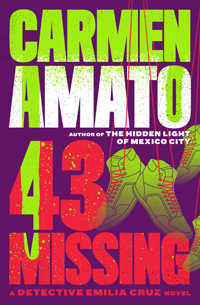
The 6th book in the series, 43 MISSING, was inspired by the true-life mass disappearance of 43 students from the rural community of Ayotzinapa in the state of Guerrero, not that far from Acapulco. Over the course of 11 years and multiple investigations at the local, state, national and even international levels, only a fraction of the students’ remains have been found and who to hold accountable remains murky.
Feature photo by Rob LaVeck via Unsplash
Note: This content was originally published on Substack. If you’d like to get it in your inbox, subscribe here: https://mysteryahead.substack.com.
MY BACKSTORY— I learned a few things about danger, deception and resilience during a 30-year career with the CIA focusing on counterdrug efforts and technical collection. Now a mystery author, those lessons play out on the page, especially in the Detective Emilia Cruz mystery series set in Acapulco. Starting with Cliff Diver, the series is a back-to-back winner of the Poison Cup Award for Outstanding Series from CrimeMasters of America. I’ve also written historical and political thrillers, essays about the craft of crime fiction, and live with a very large white dog named Bear.
