
Setting and Inspiration
The Galliano Club Gallery
My hometown of Rome, New York, inspired the fictional city of Lido, the setting for the Galliano Club series. At the crossroads of the Erie Canal and the Mohawk River, Rome occupies a prime spot in upstate New York south of the Adirondack Park where the wealthy flocked to deluxe lodge hotels in the 1920’s.
The blog InWoodOut did a fantastic “Travel Guide to the Galliano Club series” which is a must-read for fans of the books, armchair travelers or anyone heading to central New York state.
The real Lido, NY
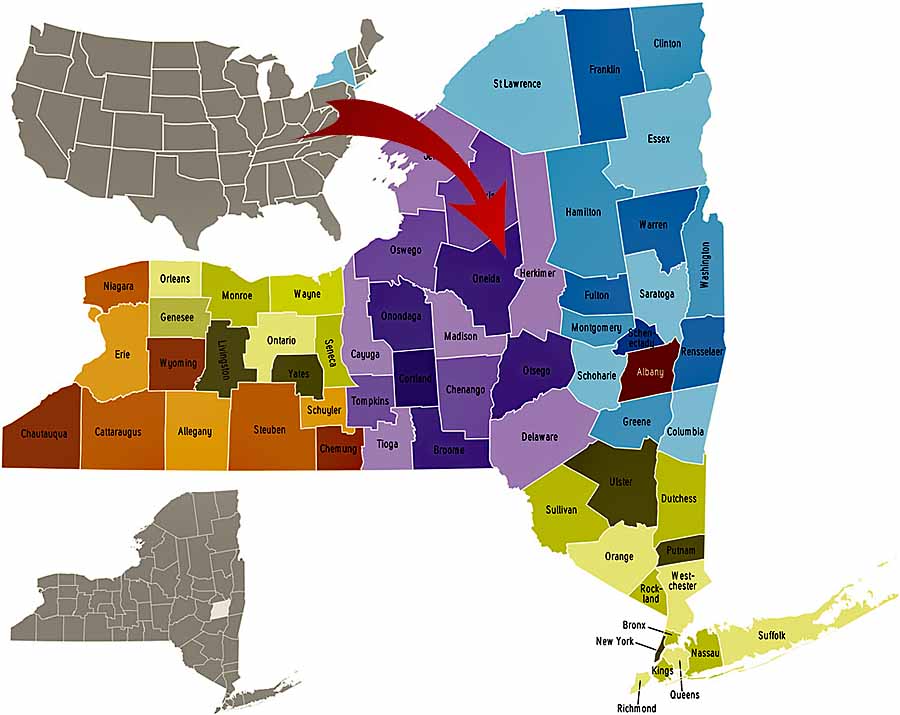
Where is Rome, NY?
Throw a dart and hit the exact middle of New York State. Like Rome, Lido, NY is at the crossroads of the Erie Canal and the Mohawk River, in Oneida County. In the 1920s this was a major manufacturing and agricultural hub.
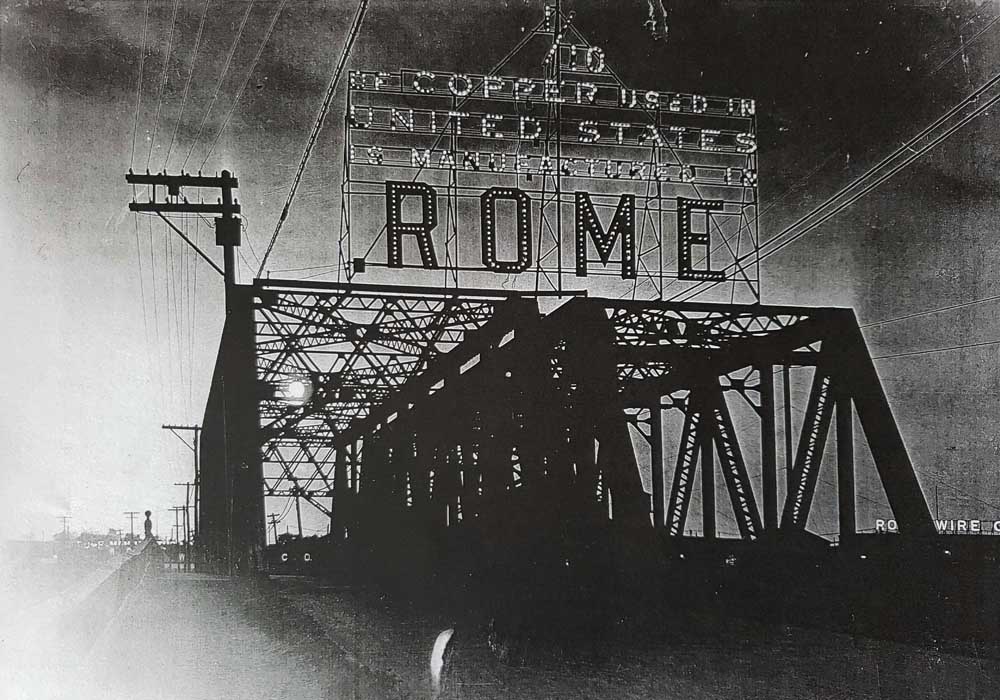
Once upon a time, Rome supplied 10% of all copper used to build American’s electrical grids, telephone network, ship hulls and bridges. Immigrants from Italy and Poland provided the workforce.
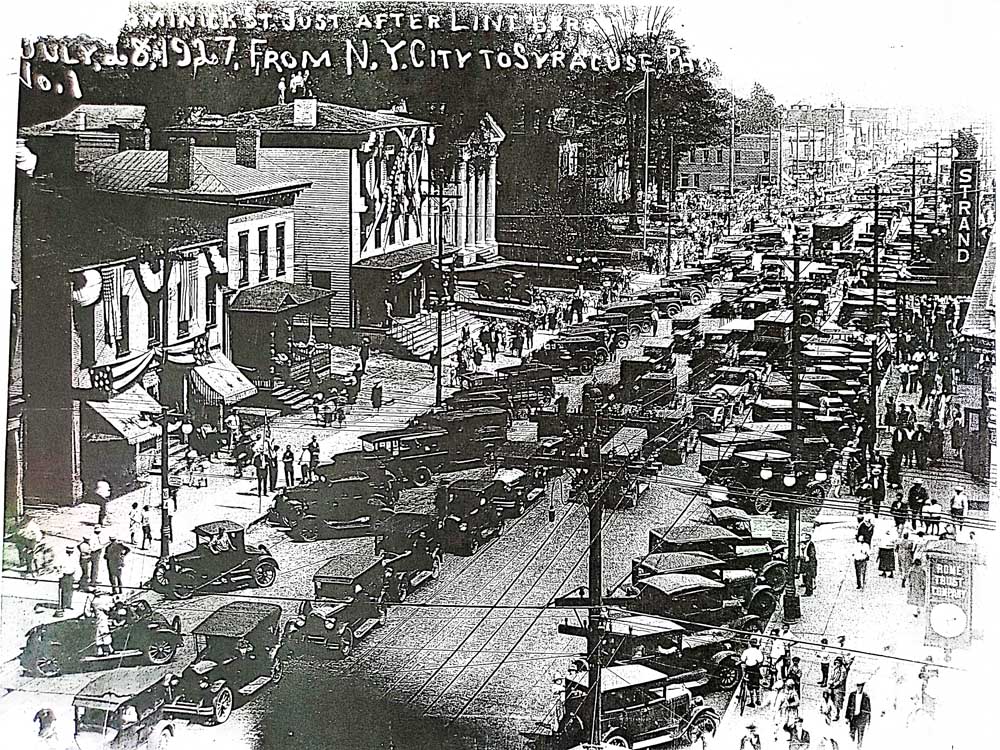
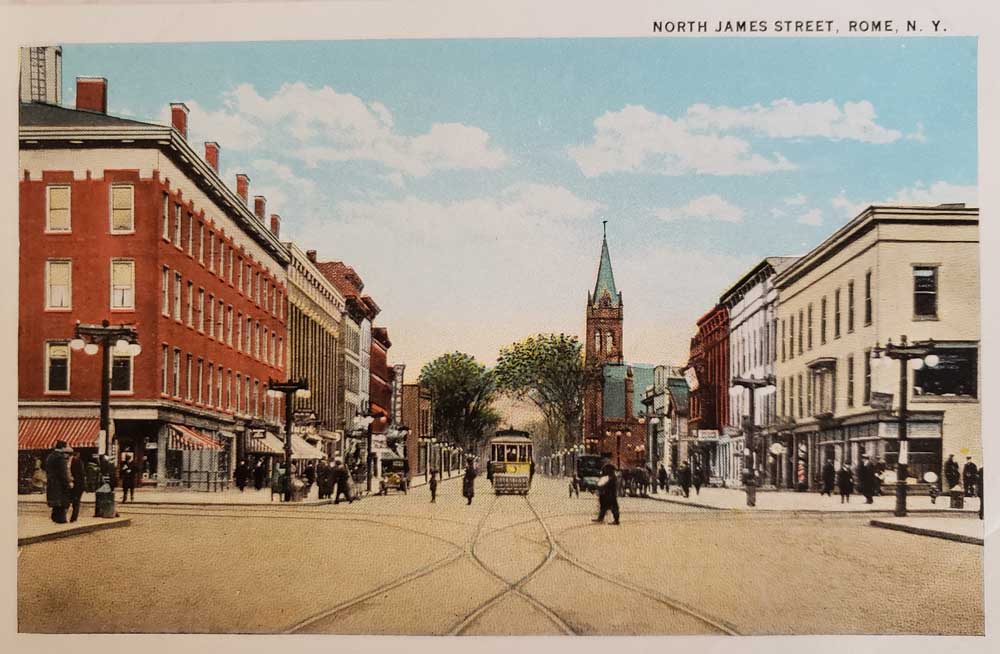
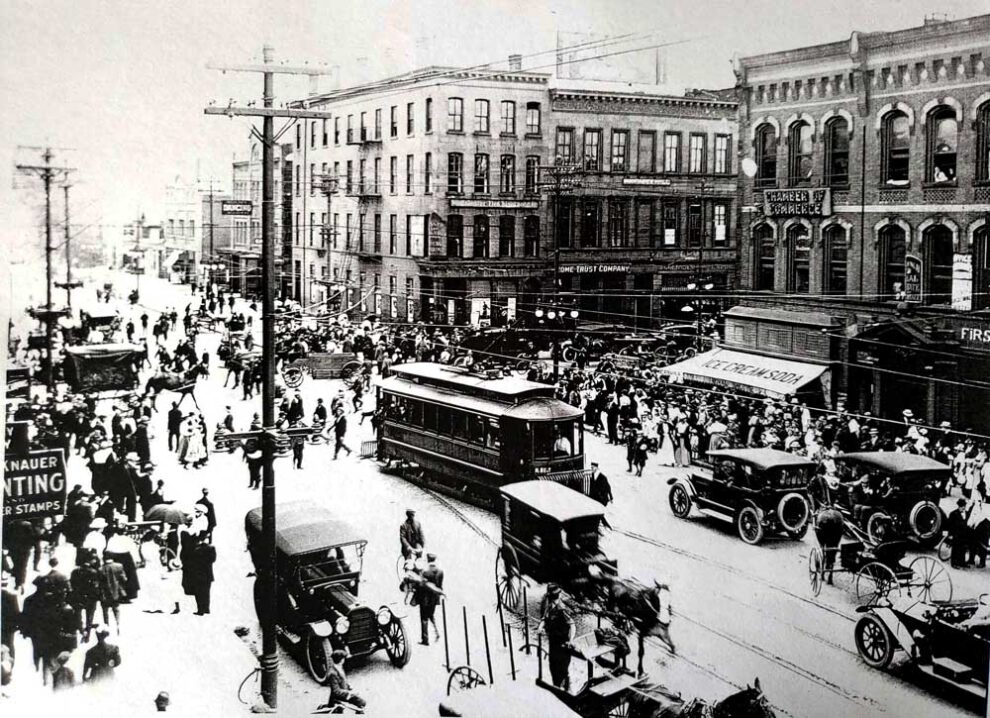
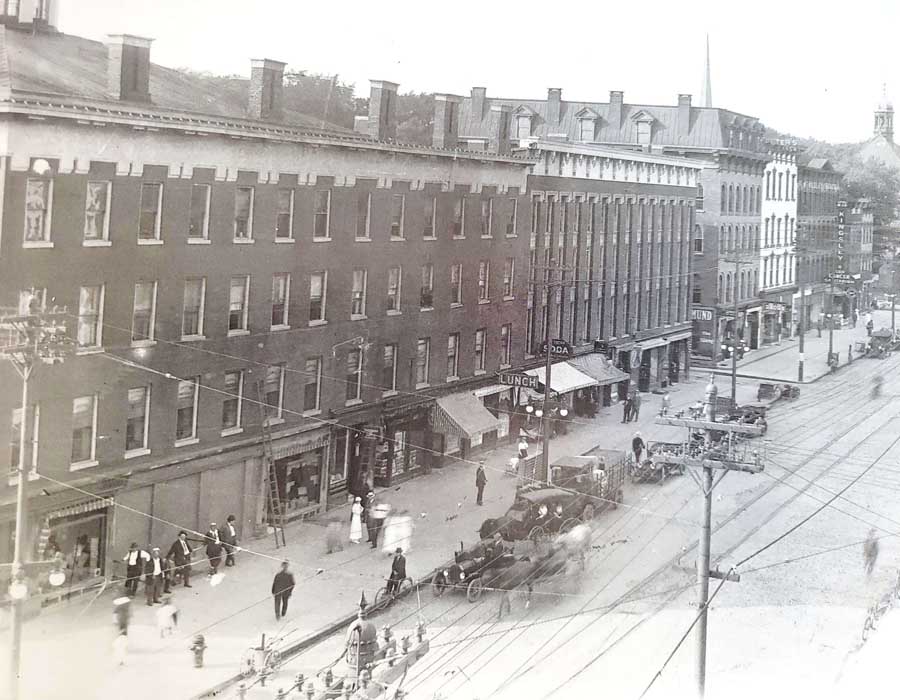
The once bustling downtown was a thriving economic hub for upstate New York.
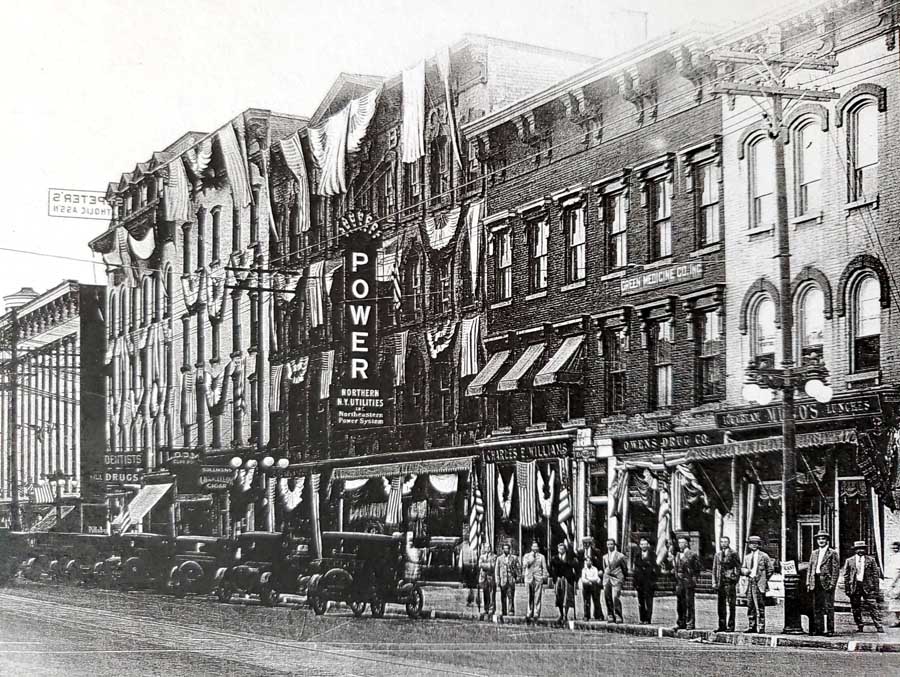
Tall brick buildings lined downtown streets.
Architecture
Stately brick, parks and flags
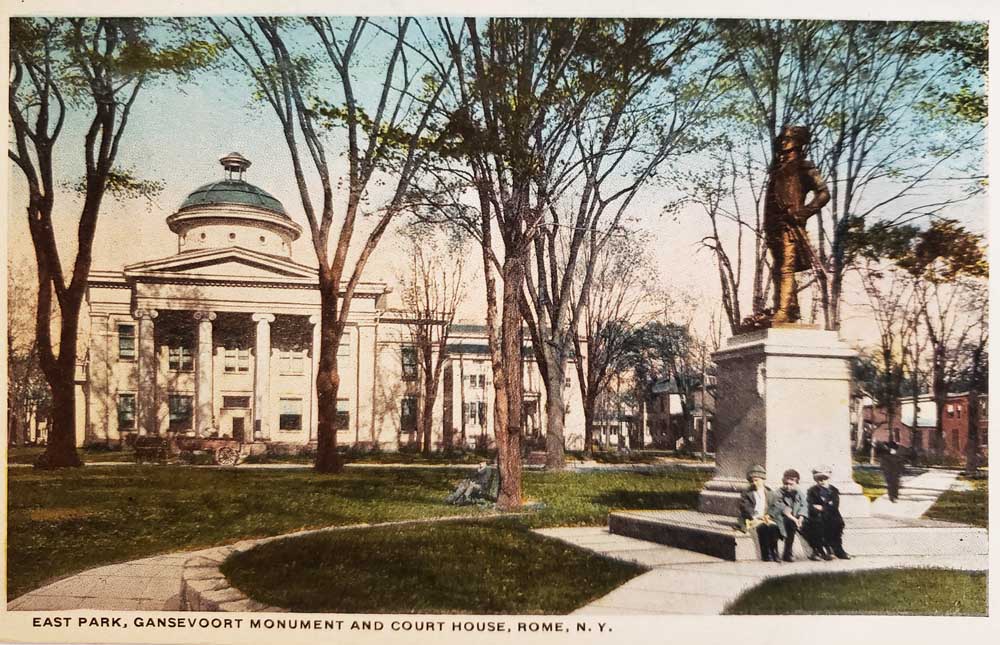
Rome was built of brick, with buildings of 3-5 stories lining main thoroughfares like Dominick Street, James Street and Liberty Street. Most of the downtown streets are named after presidents.
Sharp readers know that the fictional Hamilton Street In Lido NY is really Dominick Street, where today you can find the Revere Copper and Brass mill, which was inspiration for Lido Premium in the books. Vogel Park became West Park.
While the courthouse and former city hall still stand, most of the tall buildings that once lined city streets are long gone. These vintage color postcards helped me re-imagine today’s city.
Cemetery
Resting in Peace
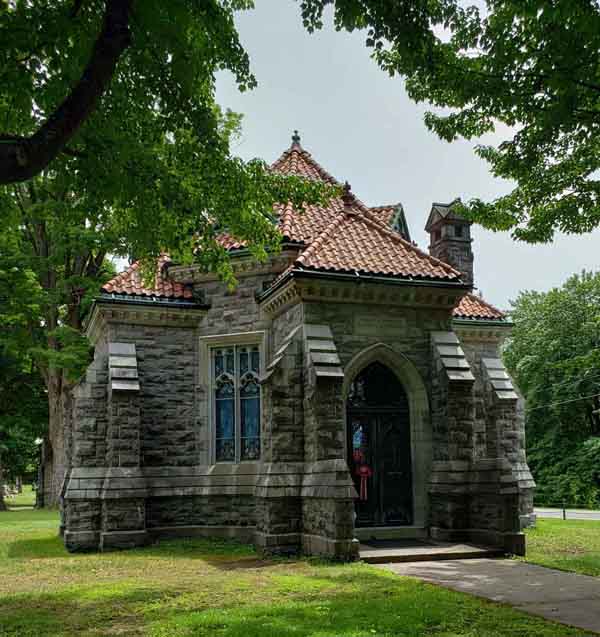
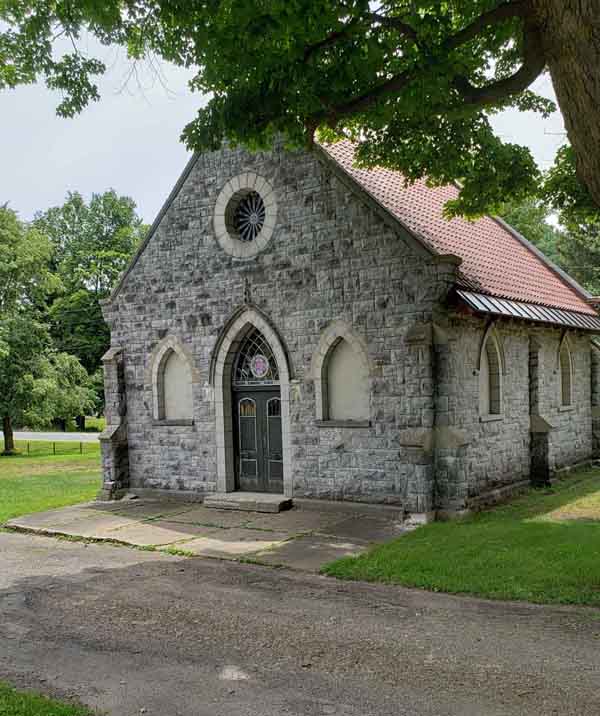
Rome has a large city cemetery, best known as the final resting place as Francis Bellamy, writer of the Pledge of Allegiance. The headstones are a Who’s Who of Rome’s first citizens, making a stroll through the well-maintained green space a walk through the city’s history.
As a child, I could ride my bike to the cemetery. The ornate mausoleums fascinated me. They became a hiding place in the Galliano Club books. From there, the bootlegger’s beer operation is finally spotted.
The Club
The real Galliano Club
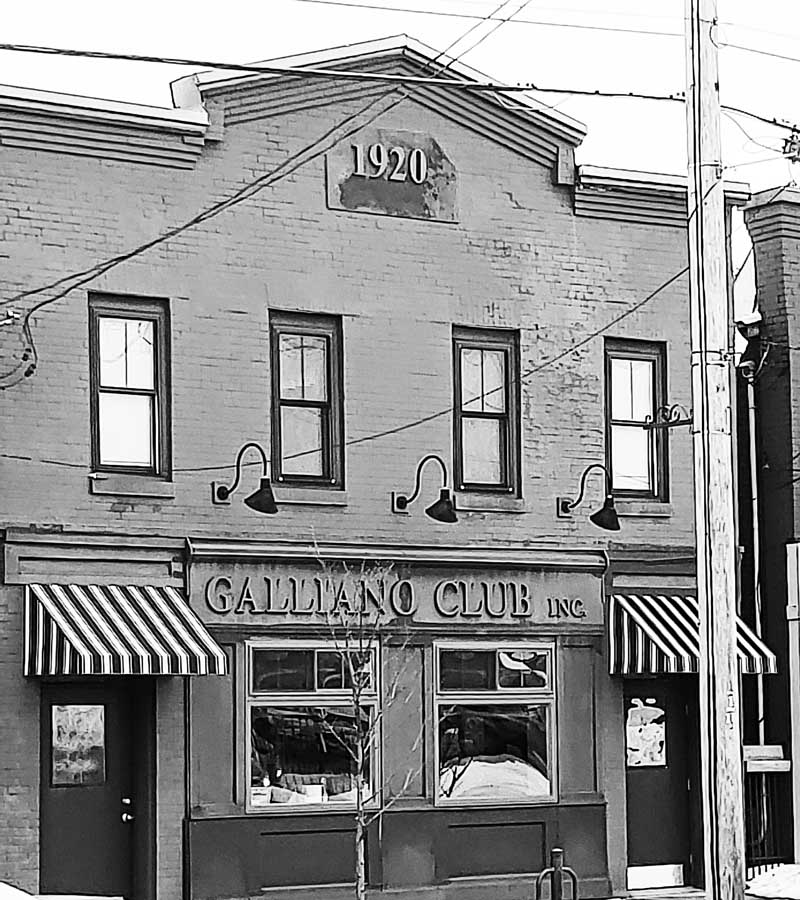
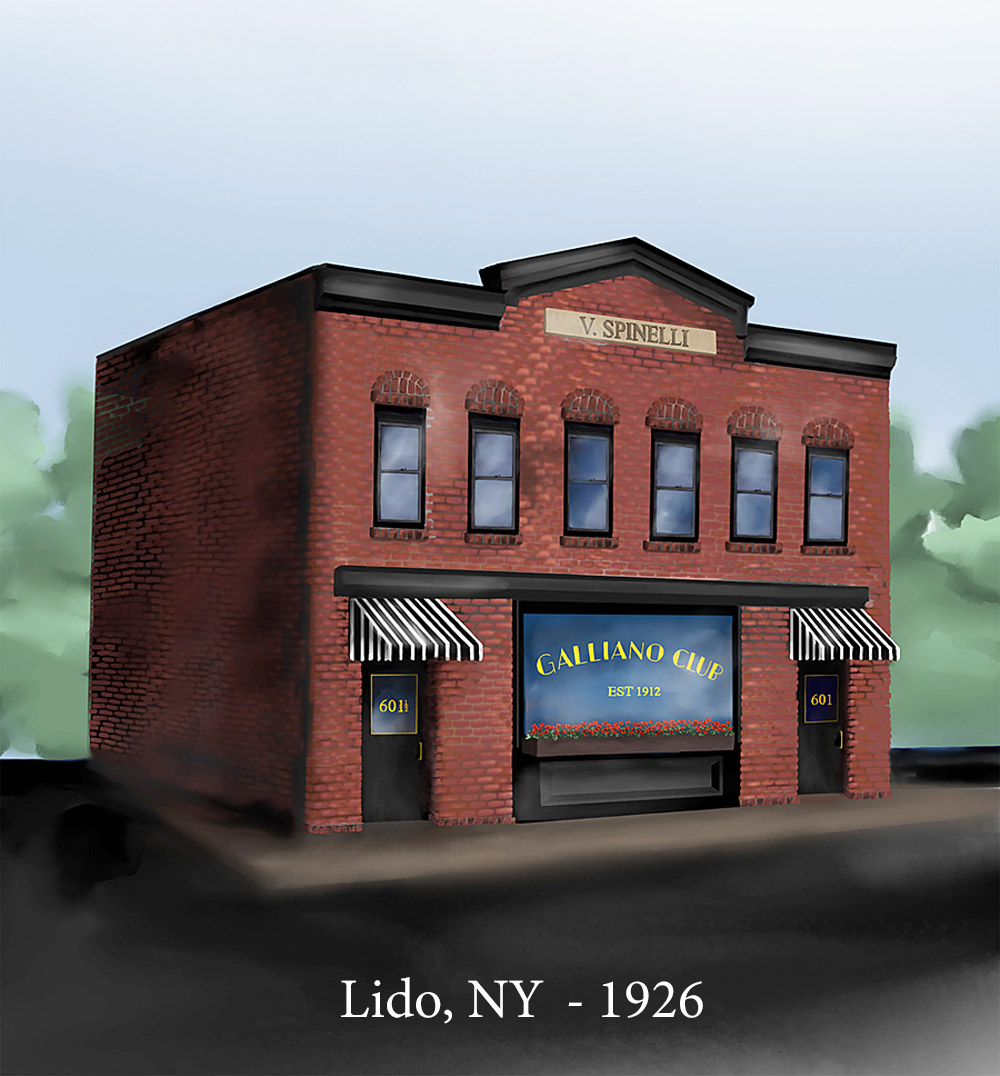
The Galliano Club itself survived urban renewal and can still be found today on Dominick Street in Rome, with its double doors and second floor. When I was in high school, there was a dance studio on the second floor where I took tap dance lessons.
The Galliano Club of the books is larger, with 5 windows across the second floor and a big plate glass window in the front. There’s still a dance studio on the second floor, the fictional Tapping Toes School of Dance.
Ann and Joe
My grandparents’ storied start
The Galliano Club books were inspired by the stories told by my grandfather, a deputy sheriff of Oneida County during Prohibition.My favorite was the night he was sent to conduct a stakeout in a cemetery and took along his best friend who was an insurance salesman. They never captured the bootleggers who’d supposedly buried their hooch but it made for a great tale.
As a deputy sheriff, my grandfather was called into action for a manhunt on the night of his wedding reception. A guest at my grandparents’ party had gone home, then murdered two other guests. An alarming start to a marriage that nonetheless endured for 50+ years.
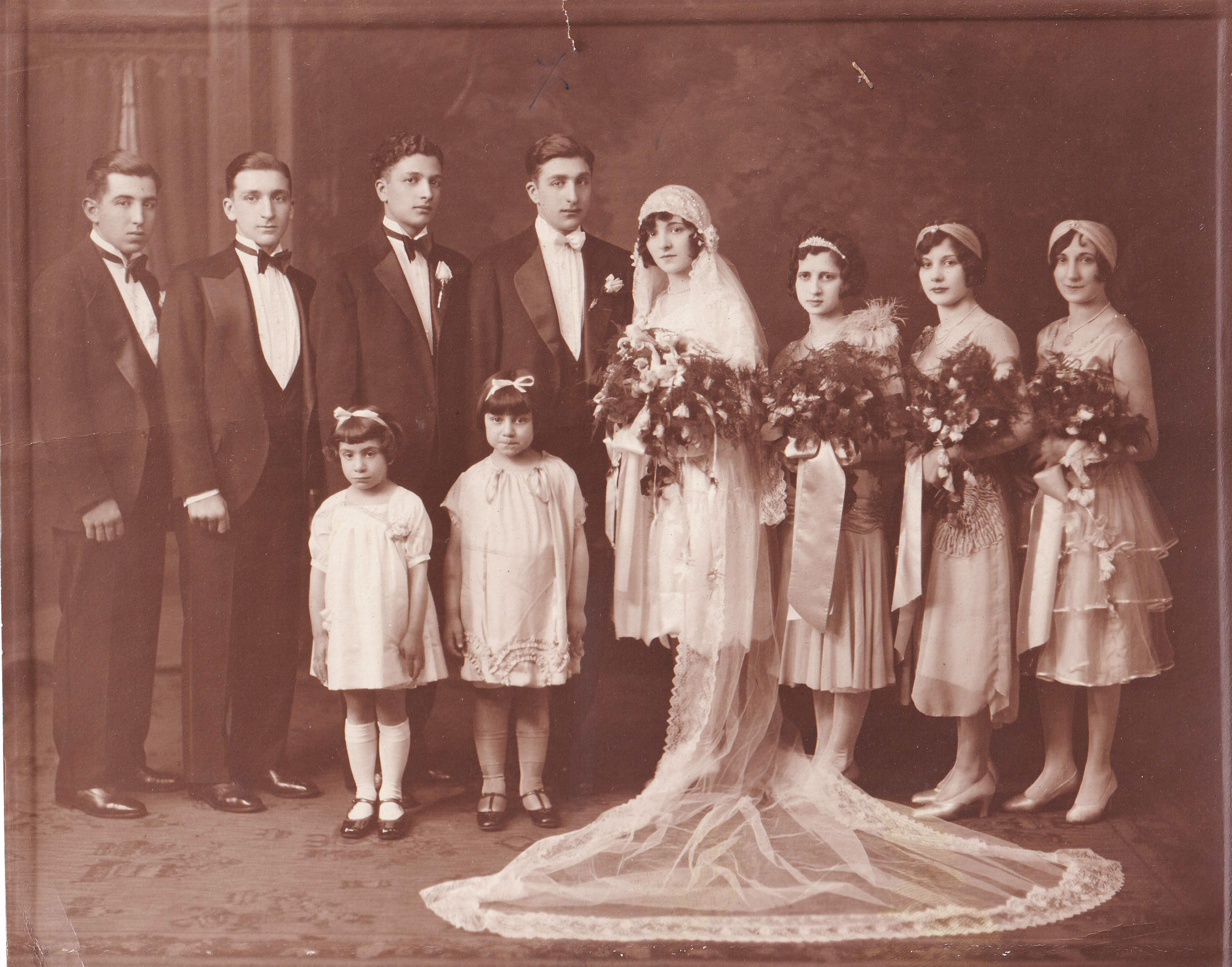
Wedding photo, April 1927.
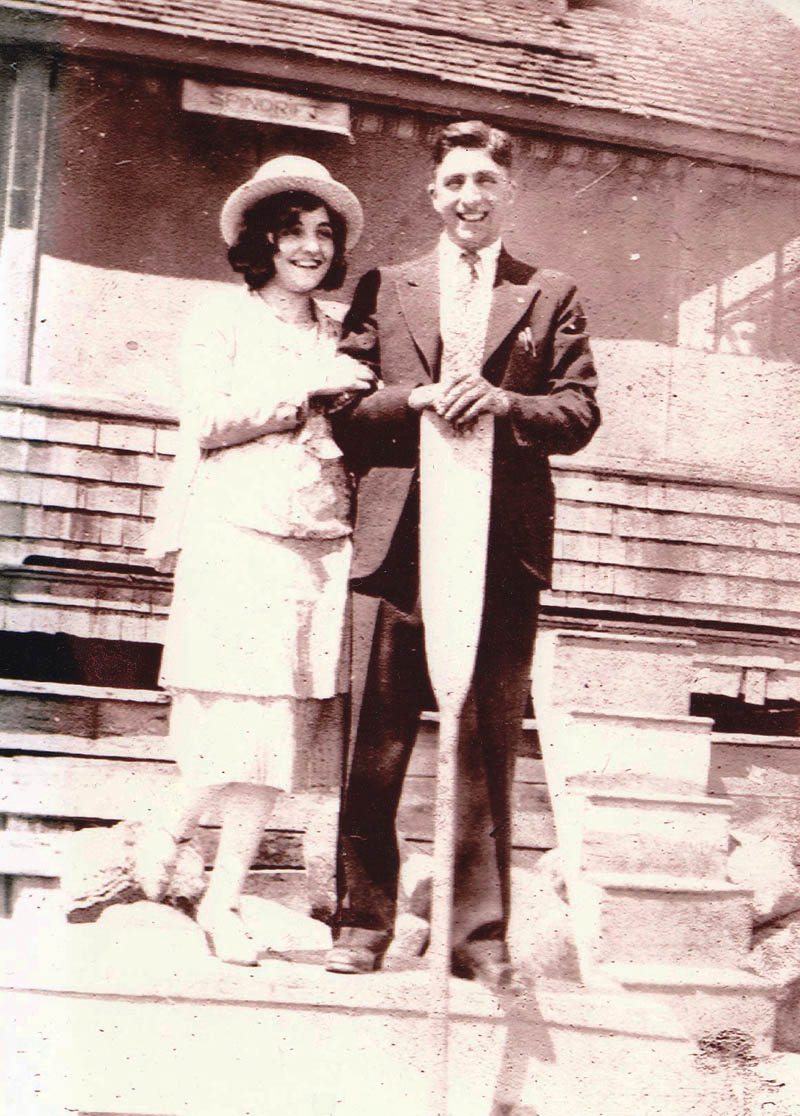
Newlyweds.
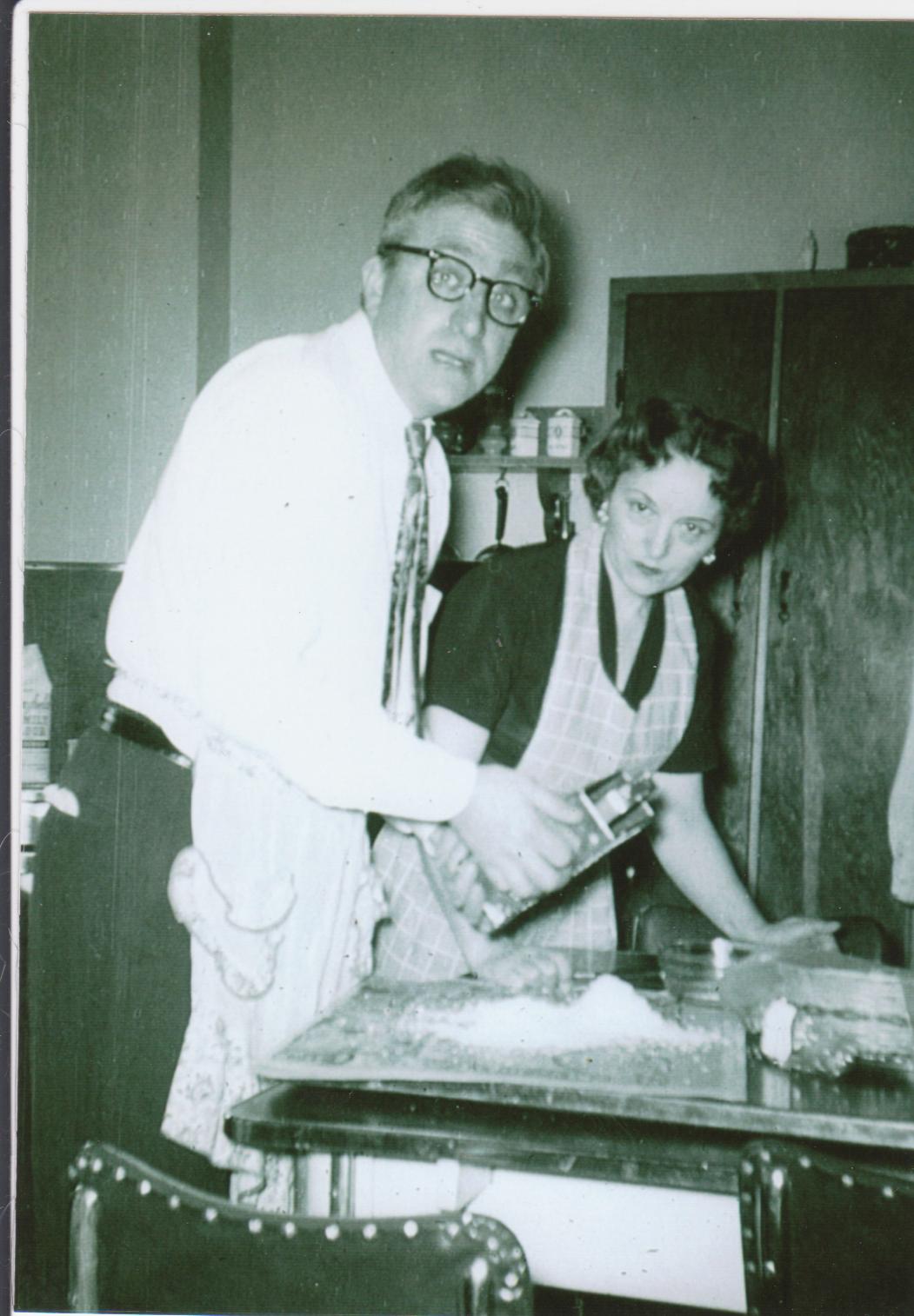
Making pasta together, circa 1950s.